Follow Us on Google
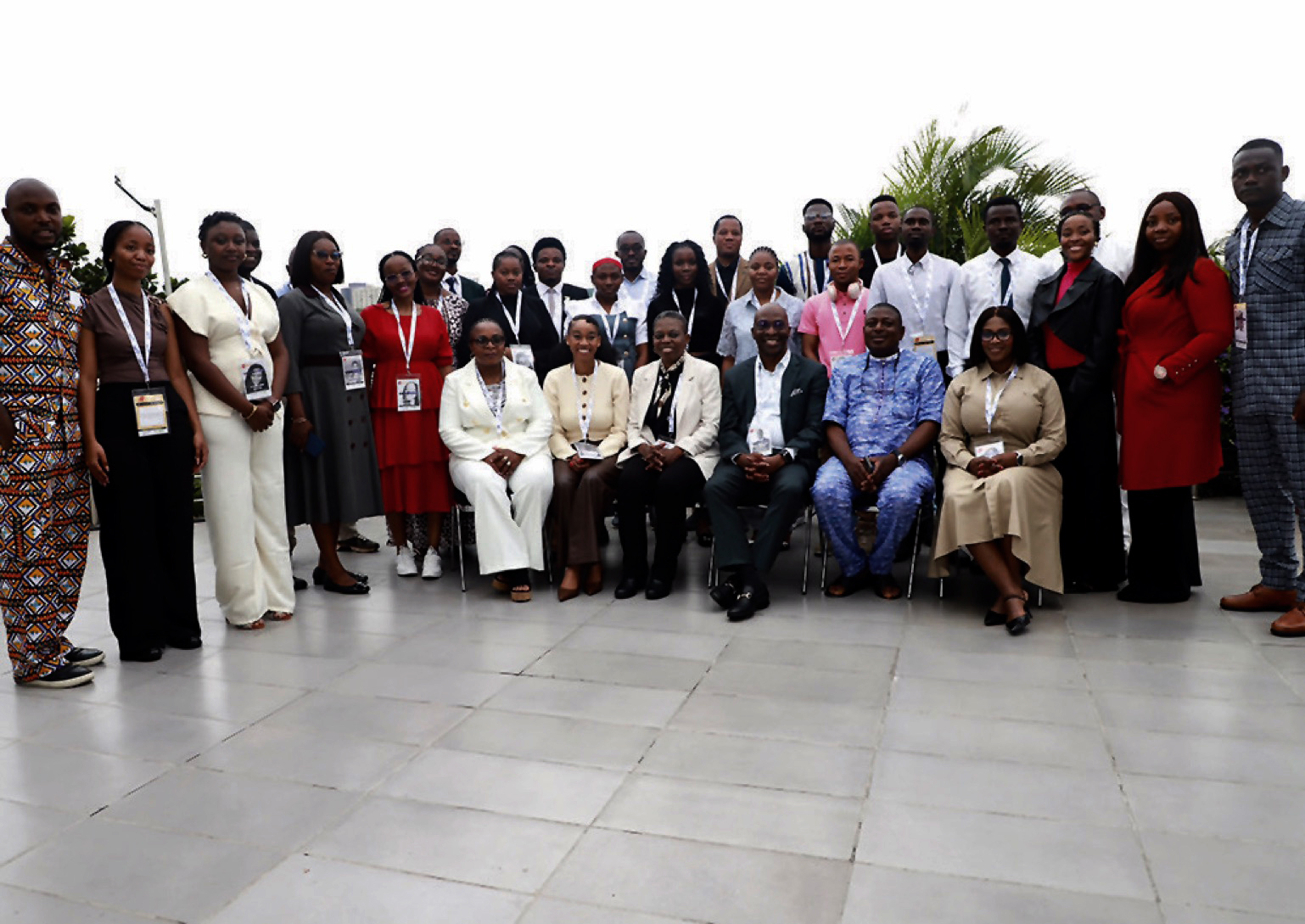
Experts sharpen strategies to expose industry influence, defend public health
The battle to protect Africa’s public health policies from tobacco industry influence has entered a new phase as experts, government officials, researchers, journalists and civil society advocates from 12 African countries recently converged in Lagos for an intensive training on monitoring and exposing industry interference.
The five-day Tobacco Industry Monitoring (TIM) Training Course, organised by the Africa Centre for Tobacco Industry Monitoring and Policy Research (ATIM), was held in Nigeria for the first time. Participants were drawn from Kenya, Nigeria, Benin, Botswana, South Africa, Sierra Leone, Côte d’Ivoire, Ethiopia, Uganda, Zambia, Senegal and Zimbabwe.


The programme, now in its third edition, is designed to equip a new generation of African tobacco control advocates with the skills, intelligence and practical tools required to identify, document, analyse and counter strategies used by tobacco companies to influence public policy.
At the centre of the programme is a warning that tobacco industry interference remains one of the biggest obstacles to effective tobacco control on the continent and that the battle is increasingly being fought not only through conventional cigarette marketing, but also through sophisticated lobbying, political engagement and the promotion of newer nicotine products.
The training was led by renowned tobacco control expert and ATIM Director, Professor Lekan Ayo-Yusuf, who is also Head of the School of Health Systems and Public Health at the University of Pretoria, South Africa.
Facilitators include academics from the University of Bath in the United Kingdom and public health researchers and policy advocates from the United States, Nigeria, Brazil and Togo.
Opening the training, Ayo-Yusuf said tobacco industry interference continues to undermine evidence-based public health policies across Africa, with devastating consequences for population health.
He said the objective of the programme was to move advocates beyond simply reacting to tobacco industry activities to developing the capacity to anticipate, monitor and expose industry strategies before they undermine public health measures.
“The course is intended to strengthen the capacity of tobacco control advocates to effectively monitor and counteract tobacco industry interference in public health policies in Africa,” he said.
According to him, participants would be trained to understand how the industry operates, identify its tactics, hold companies accountable and generate credible evidence capable of supporting stronger tobacco control policies.
He expressed confidence that participants would leave the programme equipped to identify and document industry interference, analyse emerging strategies, access and interpret industry documents, identify front groups and third-party allies, and design effective advocacy campaigns suited to their respective countries.
Executive Director of Corporate Accountability and Public Participation Africa (CAPPA), Akinbode Oluwafemi, said the training was particularly important because the tobacco industry was continuously adapting its strategies.
While acknowledging the gains made by tobacco control advocates over the years, Oluwafemi said tobacco companies were increasingly employing aggressive marketing, lobbying and the promotion of alternative nicotine products under what he described as the misleading banner of “harm reduction.”
Other News
“Many of us have worked in tobacco control advocacy for nearly three decades, and we recognise the need to build the next generation of advocates,” he said.
He said the diversity of participants including government officials, economists, journalists, civil society representatives and public health advocates – would help broaden the front against tobacco industry interference.
“Through ATIM, we are equipping them with the skills needed to take the campaign against tobacco industry interference to the next level,” Oluwafemi said.
He also called on African governments to strengthen implementation of the World Health Organization Framework Convention on Tobacco Control (WHO FCTC) and enforce national tobacco control laws, particularly to protect children and young people from tobacco and nicotine addiction.
For participants, the programme was not merely an academic exercise but an opportunity to acquire practical skills that can be deployed immediately in their countries.
Jackline Mbone Juma, a youth tobacco control advocate with the Kenya Tobacco Control Alliance and Health Promotion, said the training had provided participants with hands-on experience in monitoring tobacco industry activities and conducting evidence-based research.
“We have gained hands-on experience in industry monitoring, research methods and accessing tobacco industry documents,” she said.
Juma added that the programme had also strengthened participants’ understanding of the WHO Framework Convention on Tobacco Control and practical approaches to its implementation.
Similarly, Emmanuel Onwuka, Communications Officer of the Nigeria Tobacco Control Alliance (NTCA), said the training had come at a critical time as tobacco companies introduce new products and adopt increasingly sophisticated strategies to attract younger consumers.
He said the knowledge gained would improve his ability to monitor, document and report tobacco industry interference while strengthening evidence-based advocacy for more effective tobacco control policies across Africa.
Based at the University of Pretoria, ATIM is a specialised African centre focused on tobacco industry monitoring, intelligence gathering and policy research.
The centre works with governments, researchers and civil society organisations to monitor tobacco industry activities, support evidence-based policy development and strengthen implementation of the WHO Framework Convention on Tobacco Control across Africa.
The Lagos training, conducted in both English and French, brings together professionals from different sectors and countries around a common objective: strengthening Africa’s ability to recognise and confront tobacco industry interference.
With tobacco companies increasingly adapting their products, messaging and influence strategies, participants say the continent can no longer afford a reactive approach.
The emerging consensus from the training is clear: if Africa is to win the long-term battle against tobacco-related disease, it must also win the battle for the integrity of its public health policies.
And that battle, experts say, begins with knowing where the influence is coming from, how it operates — and having the evidence and expertise to expose it.