Follow Us on Google
From Shafaatu Suleiman, Sokoto
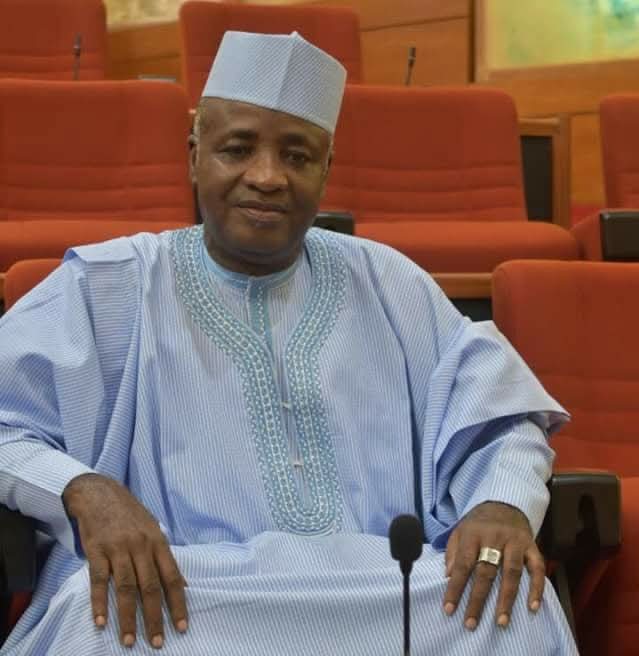
The Special Adviser to the Sokoto State Governor on Security Matters, Col. Ahmed Abdul Usman (rtd), has said that the former Governor of Sokoto State and serving Senator, Aliyu Magatakarda Wamakko, brought an end to the long-standing “non-indigene” classification in the state during his administration.
Usman said that the decision has redefined citizenship and social belonging in the state, describing the policy as one of the most far-reaching reforms of his tenure.
He said that the reform has strengthened social harmony, reduced discrimination and deepened unity among residents.
“Wamakko’s decision has dismantled barriers that had for years created divisions between indigenes and settlers, giving all residents a stronger sense of inclusion in the affairs of the state”
Beyond the inclusion policy, Col. Usman said Wamakko’s administration was defined by reforms that expanded access to education and promoted grassroots development.
He recalled that the former governor abolished school fees in public primary and secondary schools, sponsored Senior WAEC and NECO examinations, and provided free JAMB forms to students across the state to boost enrolment and retention.
He also highlighted the establishment of key institutions, including Sokoto State University, College of Agriculture, Wurno and the School of Legal Studies, Wamakko, describing them as strategic investments in human capital development.
The security adviser further noted that Wamakko’s tenure witnessed extensive infrastructural expansion, with the construction and rehabilitation of roads, schools and public buildings across urban and rural communities.
On economic empowerment, he stated that thousands of residents across the 23 local government areas benefited from interest-free loan schemes, business support initiatives and employment programmes introduced during the administration.
He added that special allowances for persons living with disabilities were introduced to enhance welfare support and restore dignity to vulnerable citizens.
“Now representing Sokoto North Senatorial District at the National Assembly, Wamakko continues to play an active role in legislative engagements and national discourse, particularly on issues of unity, security and democratic development,” Col. Usman said.
He described the former governor’s legacy as one rooted in inclusion, institutional development and social cohesion, noting that the abolition of the “non-indigene” divide remains a defining chapter in Sokoto’s political history.