Follow Us on Google
By Uche Usim
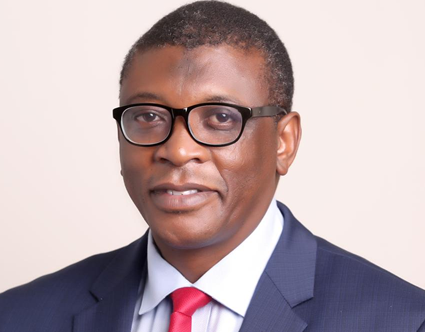
A seasoned economic expert and Director General, West African Institute for Financial and Economic Management (WAIFEM), Dr Baba Musa, has listed exit strategies for Nigeria’s current economic woes and ways of bolstering its future.
In a recent presentation at the Ahmadu Bello University, Zaria’s Department of Economics international conference 2024, Musa reckoned that Nigeria’s economic vulnerability is rooted in several systemic factors.
He listed them as a lack of long-term development vision, pro-cyclical macroeconomic policies, weak fiscal discipline and an increasing poverty rate.
He said the country also faces a significant infrastructural deficit, with only 30% of GDP dedicated to infrastructure, far below the World Bank’s recommended 70%. Moreover, economic growth has remained fragile, with recent IMF forecasts projecting a mere 3.3% growth in 2024 and 3.0% in 2025.
To address these issues, he said Nigeria must implement coordinated fiscal and monetary policies, prioritize economic diversification away from oil dependency, and ensure sound fiscal management. This includes boosting sectors like agriculture, technology, and manufacturing. Strengthening the tax framework, particularly for small and medium-sized enterprises (SMEs), through simplified turnover taxes will reduce the tax burden and encourage formalization, which is essential for boosting local economic development.
Furthermore, he said addressing security concerns and creating a favorable business environment will attract investment, essential for long-term growth. Transparent, predictable investment frameworks, along with targeted incentives, will position Nigeria as a competitive destination for foreign direct investment.
“In addition to these structural reforms, leveraging digital transformation and innovation presents a tremendous opportunity. Establishing Digital Villages to foster entrepreneurship and digital skill development can empower the youth, drive job creation, and support Nigeria’s technological leapfrog. The government should prioritize agriculture’s security and sustainability by improving financing, infrastructure, and climate-smart practices to enhance productivity and food security.
“Finally, creating a long-term, country-specific development vision that aligns with regional integration and ensures policy continuity beyond political cycles will lay the foundation for a resilient, self-reliant economy. Strengthening macroeconomic policies and microeconomic realities while promoting fiscal discipline will protect the economy from future shocks and ensure sustainable growth for generations to come”, he said.