Follow Us on Google
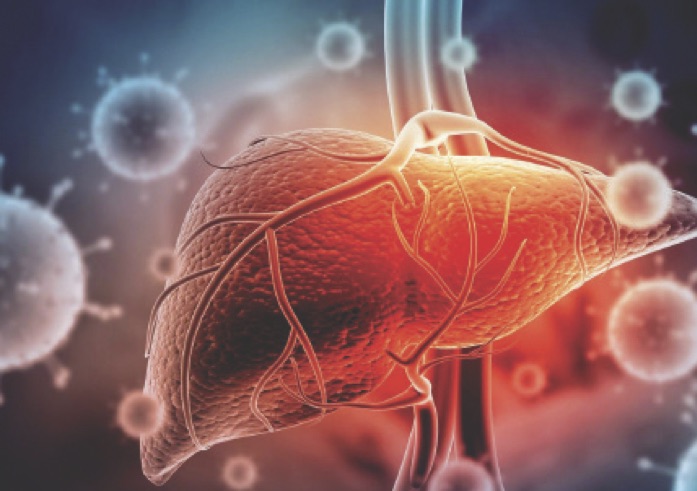
•Nigeria, one of the countries with high burden
By Doris Obinna
World Hepatitis Day (WHD) is observed annually on July 28 to raise awareness about viral hepatitis and its impact on global health. The primary objective is to promote prevention, testing, and treatment while showing support for those affected by hepatitis.
Viral hepatitis according to World Health Organisation (WHO) remains a hidden killer, causing numerous fatalities each year. World Hepatitis Day aims to increase public awareness about the issue and the necessary steps to enhance efforts in the prevention, screening, and control of viral hepatitis. WHO described hepatitis as an inflammation of the liver that is caused by a variety of infectious viruses and non-infectious agents leading to a range of health problems, some of which can be fatal. “There are five main strains of the hepatitis virus, referred to as types A, B, C, D and E. While they all cause liver disease, they differ in important ways including modes of transmission, severity of the illness, geographical distribution and prevention methods. In particular, types B and C lead to chronic disease in hundreds of millions of people and together are the most common cause of liver cirrhosis, liver cancer and viral hepatitis-related deaths.
“An estimated 354 million people worldwide live with hepatitis B or C, and for most, testing and treatment remain beyond reach. Some types of hepatitis are preventable through vaccination. A WHO study found that an estimated 4.5 million premature deaths could be prevented in low- and middle-income countries by 2030 through vaccination, diagnostic tests, medicines and education campaigns. WHO’s global hepatitis strategy, endorsed by all WHO Member States, aims to reduce new hepatitis infections by 90 per cent and deaths by 65 per cent between 2016 and 2030.”
Commemorating the WHD, Permanent Secretary, Lagos State Ministry of Health, Dr. Olusegun Ogboye explained that hepatitis is an infection of the liver that causes liver inflammation. He added that the disease is regarded as one of the deadliest infectious and killer diseases accounting for the deaths of over 1.4 million people every year.
In his words: “Globally hepatitis remains one of the deadliest infectious and killer diseases which accounts for the death of over 1 .4 million people every year. One in every 12 persons worldwide is living with infection.”
Ogboye stated further that the Y2023 WHD celebration, themed: “One Life, One Liver” is well thought out adding that the State government has been putting in place strategies geared towards preventive care, increased awareness and treatment of the disease in Lagos State.
He appealed to citizens to prioritize presenting themselves for testing, vaccination and treatment against viral hepatitis, in order to prevent and eliminate the devastating consequences of the viral disease.
He noted that citizen’s commitment is important in the effort to prevent and eliminate disease in line with the 2030 WHO strategic target of reducing new hepatitis infection.
Mitigating effect of hepatitis
Ogboye said the sate is taking significant steps to mitigate the effect of hepatitis through its viral hepatitis prevention and control program, which was launched in 2016.
“Through this programme, we have rolled out capacity building and training for over 100 health workers selected across secondary and tertiary facilities in the state in addition to the screening and vaccination of health workers.
“The fight against the hepatitis is a collective responsibility of all citizens. Residents should take advantage of the strategies put in place by the state government for the prevention and control of hepatitis, and present themselves for screening, testing, treatment and vaccination, in order to help government achieve its prevention, early detection and management strategy against the disease.
“Today is a reminder of the urgency to end hepatitis as a public health menace, especially through increased awareness, prevention, diagnosis and improving access to care and treatment. Residents are encouraged to present themselves for hepatitis screening, treatment and vaccination in order to help prevention, early detection and management;
“Screening, vaccination and treatment for hepatitis B and C take place in the various outpatient departments of public healthcare facilities including the medical outpatients, ante-natal, surgical outpatient and pediatrics units amongst others.”
He commended stakeholders for supporting the state government in the fight against hepatitis, adding that government will continue to engage relevant stakeholders and citizens in the prevention and control of the disease whilst also implementing right strategies to eliminate the scourge of infections in the state.
Call for community awareness
The State Viral Hepatitis Control Programme Coordinator, Dr. Mazeedat Erinosho, explained that beyond the WHD celebration, the state ministry of health has been constantly conducting community awareness sensitization in communities on the need for citizens to key into government’s prevention and control strategies including providing basic information on where and when to seek medical intervention against the deadly disease.
“One of the key things that the Lagos state ministry of health with the support of WHO and other partners is doing is so to create a synergy and ensure heightened awareness first among the health care workers and health professionals, and the public in order to ensure that basic knowledge about viral hepatitis permeates the public space.”
Erinosho explained further that the fight against hepatitis requires the cooperation and support of all citizens as all individuals must seek to know their status and seek help immediately if needed stressing that this will go a long way in the prevention and elimination of the disease.
Global health problem
Consultant Physician, Gastroenterologist and Hematologist, Dr. Emmanuel Anomneze, stated that chronic viral hepatitis is a major global health problem with more than 400 million patients chronically infected, causing over 1.4 million deaths per year.
“Nigeria is one of the countries with a high burden of chronic viral hepatitis with prevalence rates of 8.1 per cent and 1.1 per cent for hepatitis B (HBV) virus and C (HCV) respectively adding that about 20 million Nigerians are currently living with chronic viral hepatitis.”
He explained that effective medications are available for the treatment of chronic hepatitis B just as they are available for other common chronic disorders such as hypertension and diabetics if they are diagnosed early.
“Effective medications are available for the treatment of chronic hepatitis B just as they are available for other common chronic disorders such as hypertension and diabetes so with early diagnosis and long term treatment, survival to old age is possible.”