Follow Us on Google
By John Ogunsemore
A United States-based firm has developed a chemically engineered wood product called Superwood, which it says boasts a strength-to-weight ratio up to 10 times greater than steel, while being up to six times lighter.
InventWood, a company in Maryland co-founded by materials scientist Liangbing Hu, announced the product’s market debut this week following over a decade of research.
Hu’s team first made a breakthrough in the research that birthed the product in 2017, while he was still a researcher at the University of Maryland’s Center for Materials Innovation.
The innovation, first detailed in a 2018 study published in the journal Nature, involves chemically treating ordinary wood to remove lignin, a natural polymer, then compressing it at the cellular level to densify the remaining cellulose fibers.
The result is a material that is up to 20 times stronger than regular wood, 10 times more dent-resistant, and impervious to fungi, insects, rot, and moisture, while earning a Class A fire rating for enhanced safety, InventWood CEO Alex Lau said in a statement on the product’s commercial launch.
Lau said, “Superwood demonstrates what’s possible when we combine nature’s most highly evolved structure with revolutionary science.”
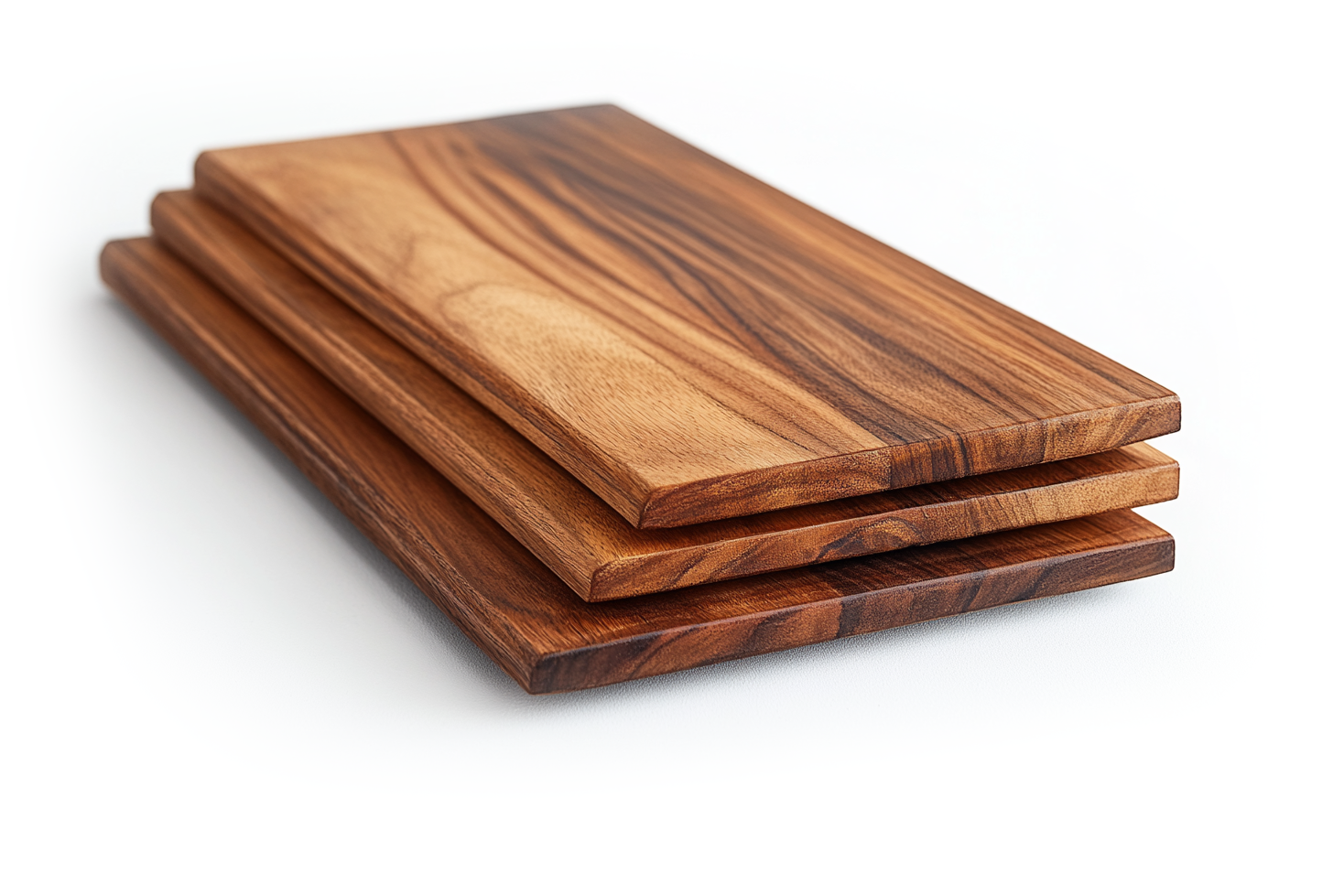
On the product’s composition, he stated, “From a chemical and a practical standpoint, it’s wood. It looks just like wood, and when you test it, it behaves like wood except it’s much stronger and better than wood in pretty much every aspect that we’ve tested.”
The company, which secured $15 million in Series A funding earlier this year, began commercial production at its Frederick, Maryland facility in July.
Lau disclosed that while production time is now measured in hours rather than days, it would take some time to scale up, with initial shipments focused on outdoor applications like cladding and decking.
Indoor uses, such as wall paneling, flooring, and furniture components, are slated for rollout next year.
“People always complain that furniture breaks down over time, and that’s often because it sags or breaks down at the joints, which are currently made of metal because wood isn’t strong enough,” he said.
According to him, Superwood could be used to replace these parts, as well as screws, nails and other metal fasteners.
He said more testing would be conducted to explore the possibility of constructing an entire building out of Superwood.