Follow Us on Google
By Goli Innocent
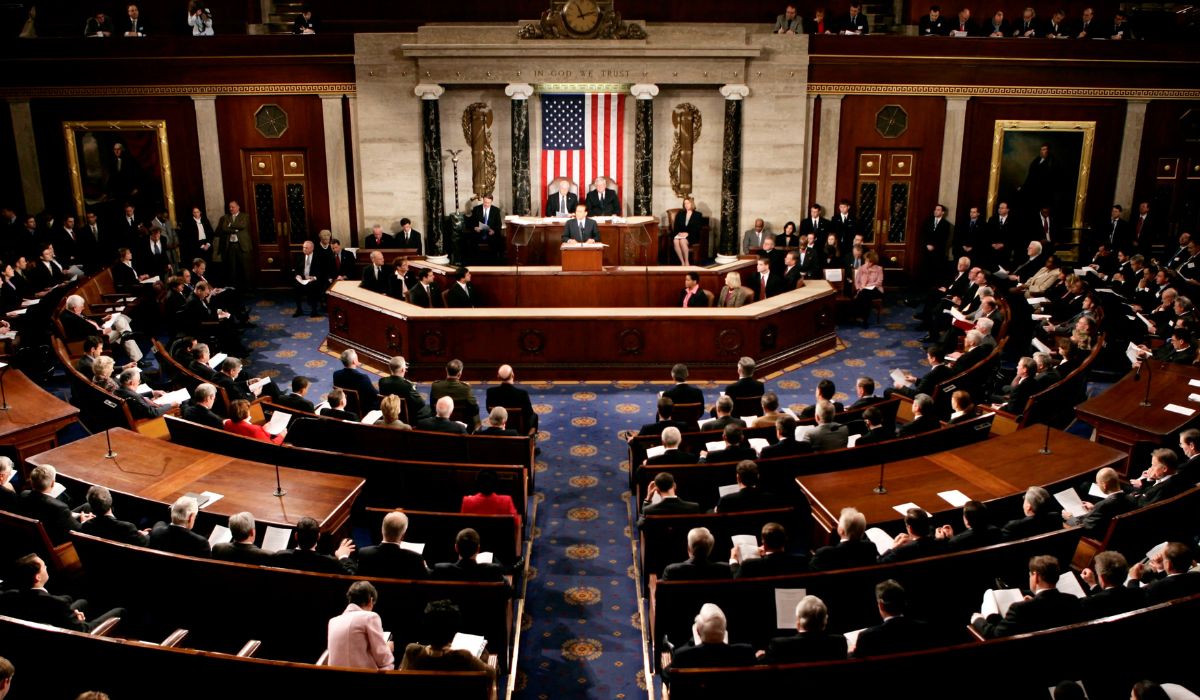
The United States Congress has proposed wide-ranging measures against Nigeria, including visa sanctions and a potential ban on beef exports, over what lawmakers described as persistent killings and the persecution of Christians in parts of the country.
The recommendations were contained in a report submitted to the White House by the House Committees on Appropriations and Foreign Affairs, following President Donald Trump’s redesignation of Nigeria as a Country of Particular Concern.
Committee chairman Riley Moore said the measures are aimed at addressing insecurity, strengthening religious freedom and holding perpetrators accountable.
Among the headline proposals are visa restrictions for individuals implicated in religious violence and the blocking of beef and cattle product exports from Nigeria as leverage to encourage the disarmament of armed Fulani herdsmen.
Lawmakers also recommended targeted sanctions against groups linked to attacks and public enforcement of directives under the Country of Particular Concern designation.
Full List of Recommendations:
A bilateral agreement between the U.S. and Nigeria to protect vulnerable Christian communities, eliminate jihadist activity, enhance economic cooperation and counter regional adversaries.
Nigeria to co-fund humanitarian assistance, including through faith-based organisations, and prioritise Internally Displaced Persons and host communities in the Middle Belt.
Support for early-warning systems to prevent attacks and kidnappings, including deployment of capable security forces and accountability for officials who ignore warnings.
Removal of Fulani militias from confiscated farmlands and facilitation of the voluntary return of displaced communities, backed by security and infrastructure support.
Expansion of security cooperation with the U.S., including divestment from Russian military equipment in favour of American systems.
Technical support for demobilisation, disarmament and reintegration programmes to address illicit weapons while enabling lawful self-defence.
Support for livestock ministry reforms, ranching initiatives and land reform efforts.
Strengthening recruitment and operational capabilities of security forces to respond to violent attacks.
Other News
Enhanced counter-terrorism cooperation, including provision of defence equipment and relevant drawdown authorities.
Measures to counter alleged Chinese illegal mining operations and their reported links to militia financing.
Implementation of the National Security, Department of State, and Related Programs Appropriations Act, 2026, with accountability benchmarks before further funds are released.
Programmes to strengthen religious freedom, legal reforms, policing and anti-money laundering capabilities.
Efforts to disrupt terrorist financing and recover illicit funds linked to militias.
Oversight of U.S. aid through a Government Accountability Office audit.
Investments through the U.S. Development Finance Corporation, particularly in the Middle Belt.
Sanctions on individuals and groups involved in violence against Christians or religious persecution, alongside continued visa restrictions.
Calls for repeal of Sharia-based codes and anti-blasphemy laws.
Use of leverage, including restrictions on beef and cattle product exports to countries such as Ivory Coast, Ghana, South Africa and Senegal.
Strengthening diplomatic staffing in Nigeria and improving the Foreign Military Sales process to expedite defence procurement.
A National Intelligence Estimate on sectarian and communal violence in Nigeria and consideration of classifying certain Fulani militia groups as Foreign Terrorist Organisations.
Collaboration with international partners, including France, Hungary and the United Kingdom, to address security and humanitarian concerns.
The sweeping nature of the recommendations signals growing impatience in Washington over Nigeria’s security challenges.
While it remains unclear which proposals the White House will adopt, the report raises the prospect of increased diplomatic and economic pressure on Abuja in the months ahead, particularly if violence and allegations of religious persecution persist.