Follow Us on Google
-
Offers 30-day discount at NNPC stations
-
Warns subsidy return could push dollar to N3,000, fuel to N2,000
_____________________
The Federal Government has announced plans to negotiate a ceiling of N1,350 per litre on the ex-gantry or landing cost of petrol, as part of measures to cushion the impact of rising fuel prices on Nigerians.
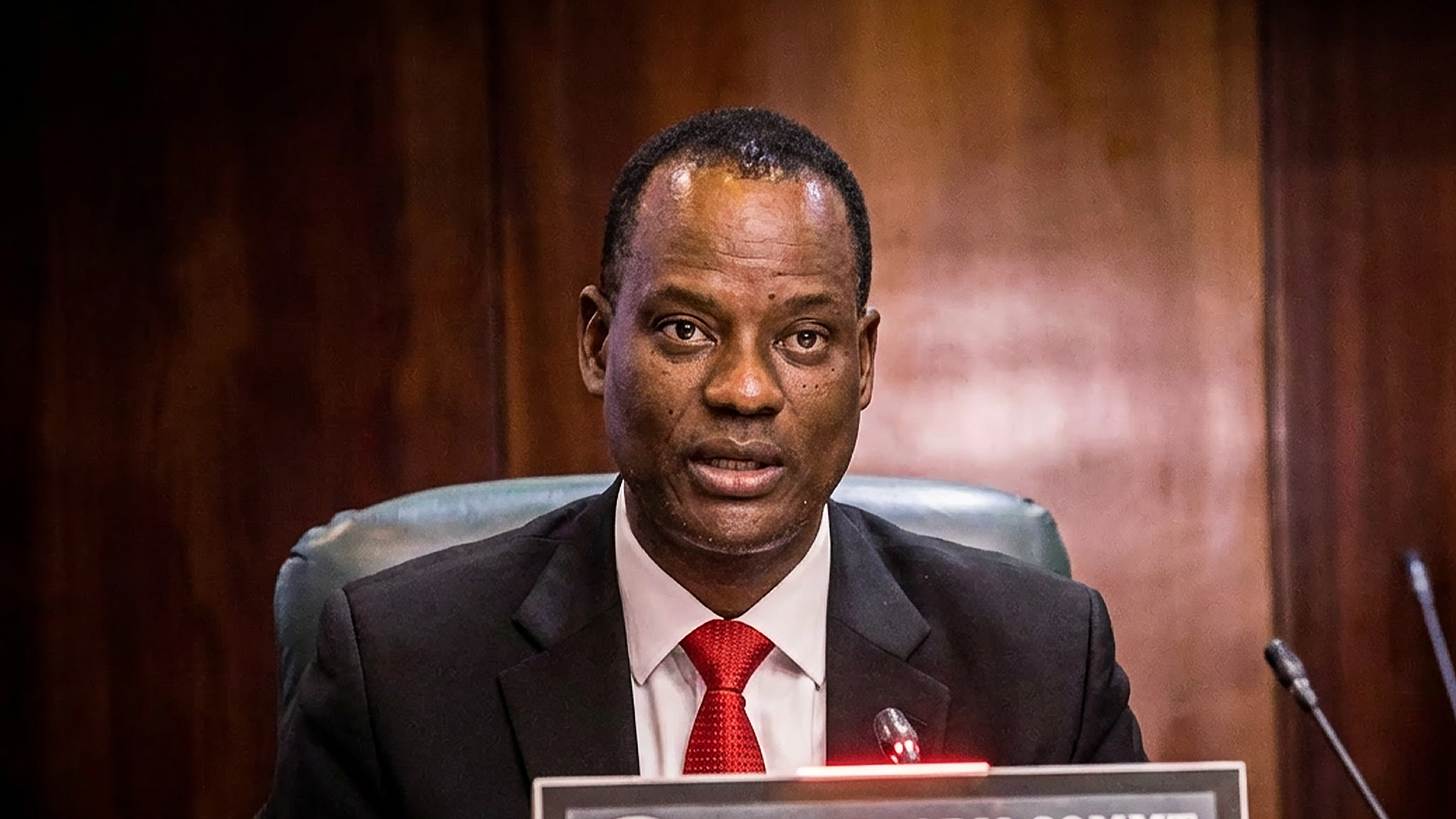
The Minister of Finance and Coordinating Minister of the Economy, Taiwo Oyedele, disclosed this on Thursday during a press briefing on the current fuel price situation.
Oyedele also announced that the government would offer a 30-day discount on petrol sold through NNPC Limited stations, with priority given to public transporters nationwide.
He said the government was also considering forward sales of crude to domestic refineries to shield pump prices from volatility in the international market.
According to him, the proposed N1,350 ceiling is designed to smooth out fluctuations in petrol prices rather than suppress them.
He explained that where costs rise above the ceiling, refiners and importers would carry the shortfall and recover it later when crude prices or the exchange rate improve.
Oyedele stressed that the arrangement would neither amount to a subsidy nor price control, adding that the ceiling would be reviewed monthly and the figures published for transparency.
The minister said the government was also taking steps to remove illegal levies that add to transport and logistics costs, increase funding for cash transfers to vulnerable households and subsidised credit for small businesses and consumers, and accelerate the rollout of Compressed Natural Gas (CNG).
He said the government would also consider an excess profit tax on operators who take undue advantage of consumers along the energy value chain.
Oyedele said proceeds from the proposed tax would be used exclusively to cushion the impact of fuel prices through transport support or vouchers for vulnerable urban minimum wage earners.
On calls for a return to fuel subsidy, the minister warned that such a move could worsen rather than solve the current fuel price crisis.
He said returning petrol to its pre-reform price would cost more than N20 trillion annually, while fixing the price at N500 per litre would cost over N16 trillion yearly.
According to him, the cost would put enormous pressure on government finances and threaten spending on salaries, pensions, schools, hospitals and security.
He further warned that weaker government revenue could trigger a sovereign credit downgrade, higher borrowing costs, capital flight and a fall in foreign reserves.
Oyedele said the exchange rate could approach N3,000 to the dollar within months if subsidy was restored, while so-called subsidised petrol could eventually cost at least N2,000 per litre. He argued that subsidy does not eliminate the cost of fuel but merely shifts the burden to government finances and, ultimately, Nigerians.
The minister said the government had already granted tax and duty waivers on petroleum products, saving consumers between N400 and N600 per litre. He noted that it’s the reason petrol remain cheaper than in several African countries.
He added that Nigeria’s foreign reserves stood at about $55 billion, the highest level in 18 years, while the gap between the official and parallel exchange rates had narrowed to below five per cent.
Oyedele also announced plans to establish a National Strategic Fuel Reserve, which would allow refined products to be released into the market during global disruptions or periods of hoarding to protect supply and reduce price volatility.
He said the government remained committed to providing targeted and sustainable relief rather than returning to a blanket fuel subsidy.
Oyedele said: “A subsidy does not lower the cost of fuel. It only changes how it is paid, and when. Our estimate is that the exchange rate could approach 3,000 naira to the dollar within months, and so-called subsidised petrol would cost at least 2,000 naira a litre.
“We are negotiating a ceiling of 1,350 naira a litre on the ex-gantry or landing cost of petrol, to keep pump prices stable.”