Follow Us on Google
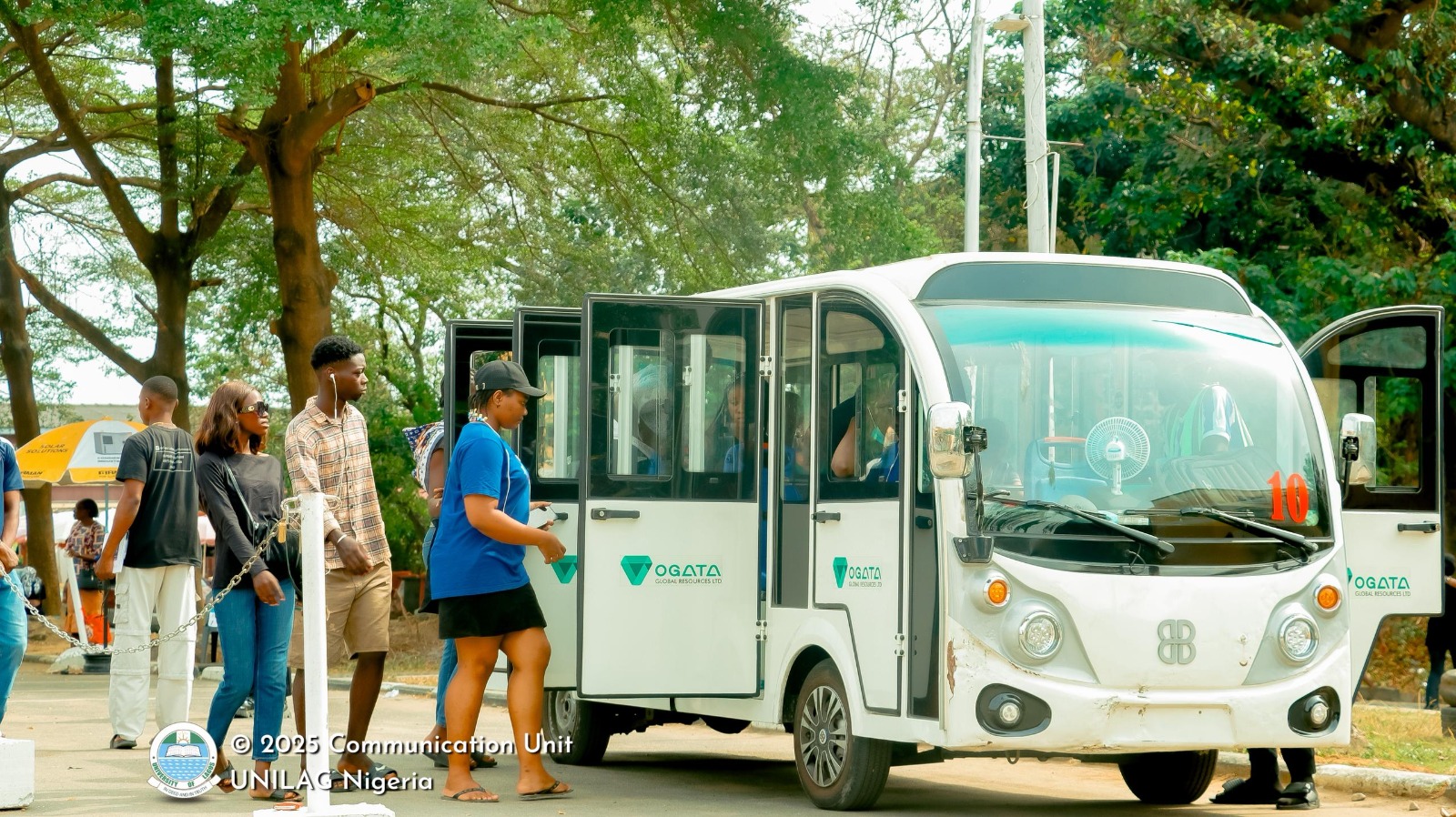
Students of the University of Lagos (UNILAG) will now pay N150 per stop under the Federal Government’s Compressed Natural Gas (CNG) transport scheme being introduced as part of efforts to reduce transport costs in tertiary institutions.
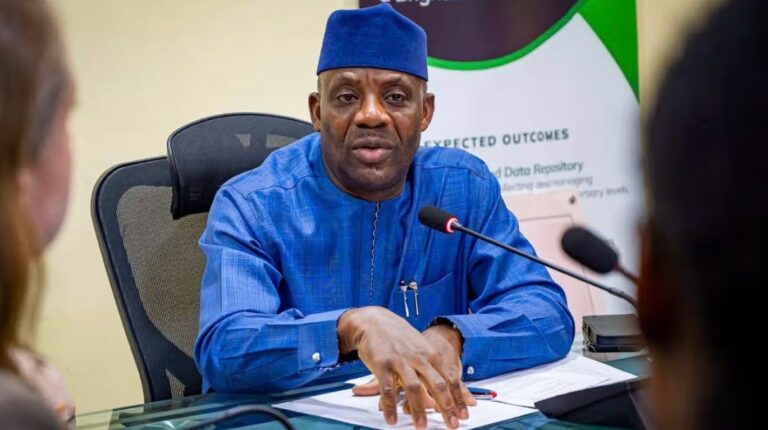
The Group Chief Executive Officer of Femadec Group, Fola Akinola, announced the fixed fare at a press conference in Lagos on Thursday. He said the scheme was designed to ensure that students would continue to pay N150 per stop irrespective of changes in transport costs in the coming months or years.
“What this means is that irrespective of what happens in the next couple of months or years, we intend to keep transport costs for students per stop at 150 Naira,” Akinola said.
He added that the initiative would also provide subsidised CNG vehicle conversion kits to academic staff with flexible payment terms to enable them to convert their personal vehicles without paying the full cost upfront. The offer, he said, is also open to the public.
The scheme will also involve the deployment of five new CNG-powered buses to universities, with UNILAG among the institutions included in the first phase of the programme.
The representative of the Presidential Initiative on Compressed Natural Gas and Electric Vehicles (Pi-CNG), Tosin Coker, said 100 buses had been pledged for 20 universities under the first phase of the programme. According to him, five buses are currently allocated to Lagos, while additional buses are being deployed to other states.
Coker said the government would continue to make CNG conversion kits available based on demand. He said transport accounted for about 30 per cent of the daily expenses of an average household, making the reduction of transport costs particularly important for students who do not earn regular incomes.
“It is essential to note that transport costs for the average household are about 30 per cent of their daily expenses. But consider university students who are not even working, so how much more of a percentage is on their own expenses?” he said.
Coker said the Federal Government was supporting the programme as a market enabler, rather than intending to permanently subsidise the operations of CNG transport services. He said the objective was to ensure that CNG-powered transport remained affordable while allowing operators to recover their investments and sustain the services.
He said CNG infrastructure was currently available in 26 states, adding that the government expected the network to expand as private-sector investment increased. He revealed the Federal Government was working with private operators to create conditions for investment in CNG infrastructure while ensuring that the benefits reached consumers. “Ultimately, you will see the government hand pulling out. And the market forces will determine. But we will just make sure that the poor man is not left behind,” he said.
Other News
The Deputy Vice-Chancellor, UNILAG, Muyiwa Falaiye, who represented the Vice-Chancellor, Prof Folasade Ogunsola, said the university welcomed the initiative because of its potential to reduce transport costs for students and staff.
Falaiye said the project would help make transport within and around the university more affordable, adding that the university was grateful to be among the institutions hosting the programme.
“For today, it’s a day to sensitise everyone about this conversion project that will help convert petrol engines into compressed natural gas engines and reduce the cost,” he said. He said the Vice-Chancellor would attend the official commissioning of the project when the facility was ready.
However, the CNG station at UNILAG has not yet been commissioned, with the organisers saying some regulatory processes and safety approvals are still being completed.
Akinola said the station was ready but could not be commissioned until the required regulatory conditions were met. “We are in the process of finalising approvals with the regulatory Nigerian Midstream and Downstream Petroleum Regulatory Authority (NMDPRA), after which this project will be officially commissioned. We are on top of that,” he said.
He said the station was expected to be commissioned within the next three to four weeks, after which the transport scheme would commence fully when students return from vacation.
He added that the initiative would not replace existing campus transport operators, but would also seek to bring their vehicles into the CNG programme through conversion. Akinola said existing transport operators on the campus could have their buses converted to CNG to reduce their operating costs and help lower fares for students.
He said Femadec Energy, through its subsidiary, Femadec Space and Logistics Services, would be involved in the operation of the scheme, although the exact management structure would be developed in consultation with the university.