Follow Us on Google
By Doris Obinna
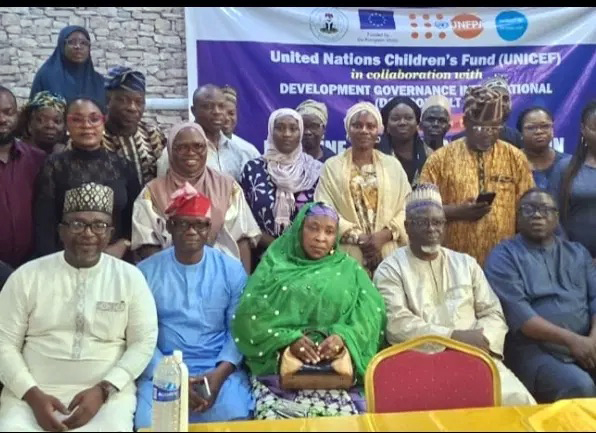
The United Nations Children’s Fund, in collaboration with health sector stakeholders, has identified significant gaps in leadership, governance and management hindering effective maternal and child healthcare delivery in Kwara, Sokoto and Adamawa states.
The gaps were uncovered through baseline assessments conducted by Development Governance International under a joint capacity-strengthening initiative focused on Reproductive, Maternal, Newborn, Child, Adolescent Health and Nutrition (RMNCAH+N) as well as Gender-Based Violence services in the three states.
The assessments, whose findings were presented to stakeholders in Ilorin, Sokoto and Yola for validation, revealed deficiencies across key areas of the health system. These include limited technical understanding of planning and implementation processes, lack of clearly defined terms of reference for technical working groups, and poor domestication of RMNCAH strategic plans at state level.
Other challenges identified include fragmented supportive supervision systems, low utilisation of data for decision-making particularly at the facility level and persistent workforce issues such as shortages and inequitable distribution of health personnel.
Speaking, Kwara State Commissioner for Health, Dr. Amina El-Imam, represented by the Permanent Secretary, Dr. Taoheed Abdullahi, said the findings serve as a wake-up call for the state government. He acknowledged that although progress has been made in improving RMNCAH+N services through existing interventions, there is a pressing need to strengthen leadership, governance and management capacities across the health sector.
He noted that initiatives such as the EU-SARAH programme have contributed to improvements in service delivery but emphasised that more deliberate efforts are required to build institutional capacity and ensure sustainability.
Other News
UNICEF field office representative, Dr. Danjuma Nehmiah, expressed optimism that the identification of the gaps would pave the way for strategic interventions capable of transforming the health sector. He stressed that strong leadership and clear direction are essential for achieving meaningful progress in service delivery.
Similarly, the Permanent Secretary and acting Commissioner of the Adamawa State Ministry of Health, Zirra Bubabi, described the initiative as a timely intervention that would help address longstanding capacity gaps in leadership and governance. She said the state looks forward to implementing the recommended actions to strengthen its health system.
Also, a representative of the World Health Organization (WHO), Kirfi Habibu, described the project as coming at a critical time when states are striving to tackle persistent healthcare challenges. He noted that the baseline findings provide an opportunity to align ongoing efforts, identify service delivery gaps and prioritise evidence-based interventions to accelerate progress in RMNCAH+N outcomes.
Chief Executive Officer of DGI, Dr. Gafar Alawode, said the organisation is focused on translating the assessment findings into practical solutions through targeted interventions. He disclosed that a Community of Practice would be established to foster collaboration among the three states, alongside the introduction of an RMNCAH+N Fellowship programme to track implementation progress and showcase results.
Alawode commended the level of commitment demonstrated by the participating states, noting that improving leadership and governance remains critical to achieving better health outcomes. He emphasised the importance of evidence-based decision-making, stating that data generation and utilisation would play a central role in driving reforms.
He further outlined key priority areas for intervention, including strengthening coordination mechanisms, enhancing the development and implementation of annual operational plans, digitising resource tracking systems, and institutionalising the use of data for decision-making at all levels of care.