Follow Us on Google
-
Says country ranks third globally in FGM prevalence
From Laide Raheem, Abeokuta
The United Nations Children’s Fund (UNICEF) has called for collective action to end Female Genital Mutilation (FGM) in Nigeria to meet the 2030 target set to eliminate the practice globally.
UNICEF also raised the alarm that Nigeria risks a surge in Female Genital Mutilation cases if urgent and concerted steps are not taken to demystify myths and traditions sustaining the practice, particularly in the South-West.
Celine Lafoucriere, Chief of UNICEF Lagos Field Office, stated this in Benin, the Edo State capital, at a two-day Media Dialogue on Advocacy Against FGM, organised by UNICEF in collaboration with the Oyo State Ministry of Information and Orientation.
She said that available data indicate that Nigeria ranks third globally in FGM prevalence, despite the practice being outlawed.
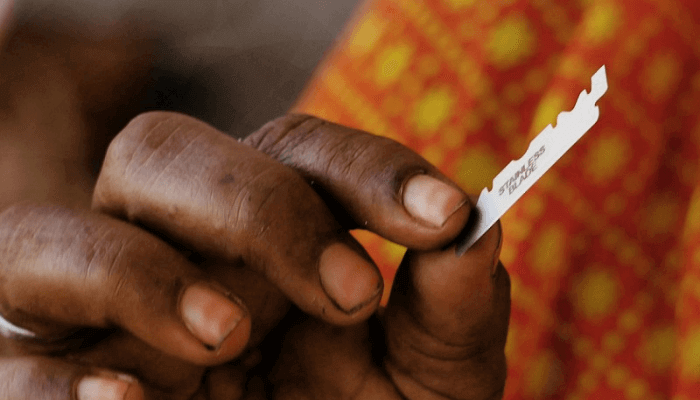
She disclosed further that nearly 20 million women and girls have already been subjected to the procedure, mostly before their sixth birthday.
The UNICEF Chief, who described the practice as “a grave violation of the rights of women and girls,” emphasised that no cultural or religious tradition should come at the expense of their dignity and health.
Lafoucriere said: “Most of these girls were cut before their sixth birthday, when they were powerless to resist or understand what was happening. This practice continues, driven by myths and traditions, despite being outlawed.”
She, however, urged governments, community leaders, faith groups, men, and the media to collaborate to dismantle cultural justifications for FGM, expressing optimism that “eliminating FGM is achievable within a generation.”
She emphasised that “Every girl deserves the right to grow up whole, healthy, and free from harm. The time to act is now.”
Other News
In his presentation, UNICEF’s Child Protection Specialist, Dennis Onoise, noted that Nigeria could witness a 50 percent rise in FGM cases unless urgent interventions are made.
According to him, the long-held cultural justifications for FGM should be discarded, stressing that the practice has no medical or moral benefits.
“FGM does not prevent promiscuity as many believe. What it causes are life-threatening complications such as severe bleeding, infections, urinary incontinence, and long-term reproductive health problems,” he pointed out.
A Consultant on FGM, Mrs Aderonke Olutayo, lamented that men—who are often the key decision-makers in families—are rarely engaged in advocacy efforts.
She called for deliberate efforts to bring fathers and boys into the campaign, noting that leaving them out slows progress.
“Without the support of men, who are often the final decision-makers, advocacy will remain incomplete. We need to dismantle myths, not just among women but also among men who perpetuate this tradition,” Olutayo said.
Earlier in his remarks, the Permanent Secretary, Oyo State Ministry of Information and Orientation, Rotimi Babalola, urged journalists to adopt sensitive yet powerful reporting that challenges harmful narratives without retraumatising survivors.
“The media must go beyond event reporting. Investigative stories should expose cutters, medical collaborators, and those who aid the practice.
“At the same time, journalists should amplify survivors’ voices and educate communities,” Babalola said.