Follow Us on Google
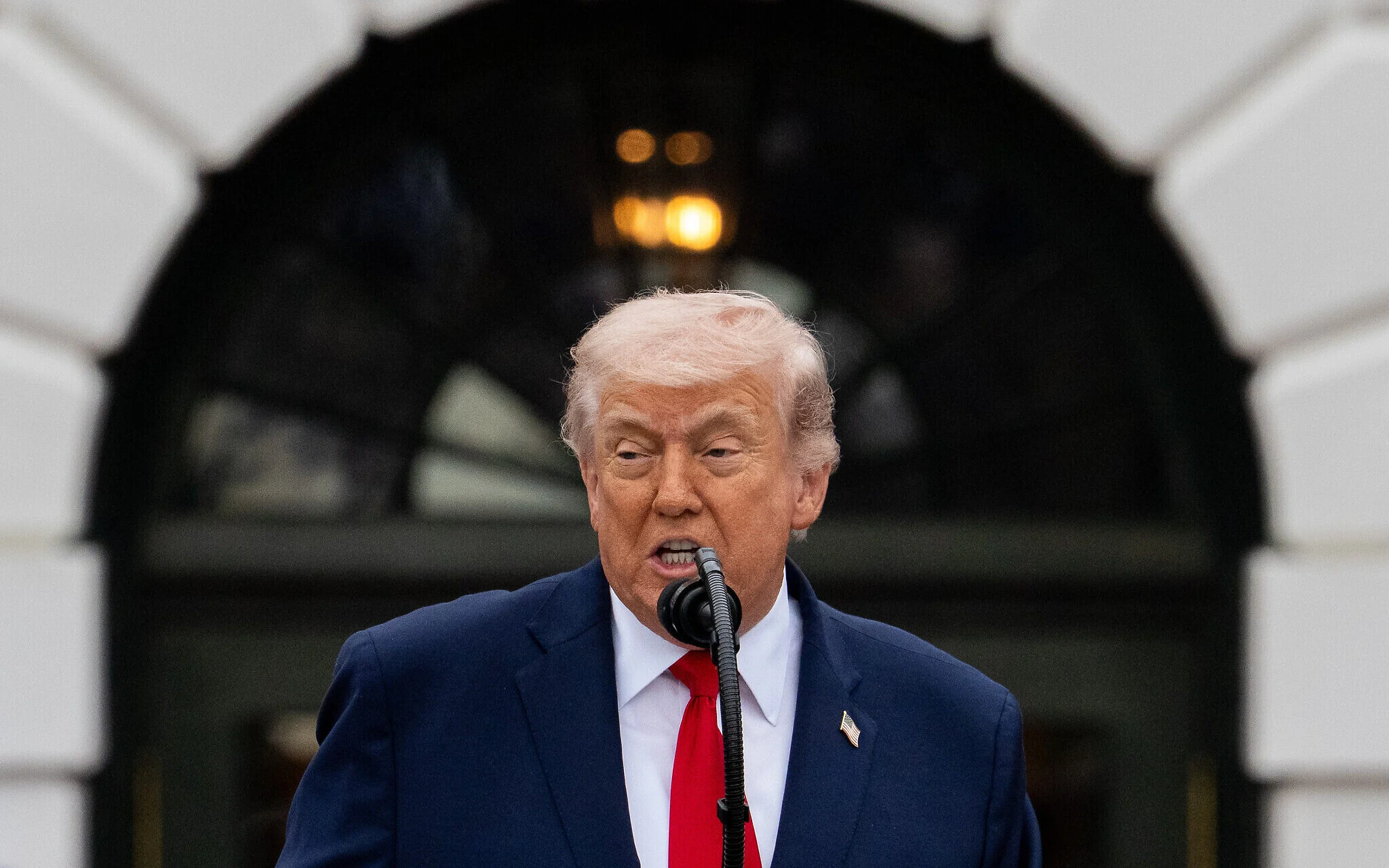
The administration of US President Donald Trump says it plans to revoke the citizenship of naturalised Americans found to have committed fraud during the immigration process.
Acting Attorney General Todd Blanche disclosed the move during an interview with CBS News, defending the administration’s renewed denaturalisation campaign.
“I’m not sure why this is even controversial,” Blanche said. “We shouldn’t tolerate fraud. We shouldn’t tolerate lies.”
The policy is expected to target individuals accused of providing false information during immigration or citizenship applications, as the Trump administration intensifies scrutiny of past naturalisation records.
Denaturalisation is the legal process through which the US government revokes citizenship obtained through fraud, concealment of facts, or other serious violations during the application process.
Historically, such actions were largely reserved for cases involving terrorism, war crimes, organised crime, or major immigration fraud. However, critics warn that expanding the policy could create fear among immigrant communities and raise fresh concerns about due process and selective enforcement.
Other News
Legal experts also say denaturalisation cases are often lengthy and require federal court proceedings before citizenship can be revoked.
While the administration has confirmed the policy direction, officials are yet to clarify how many cases are currently under review or how broadly the crackdown will be applied.
The latest development comes as the Trump administration continues tightening immigration measures, including stricter border controls, deportation policies, and increased vetting of migrants and asylum seekers.
Immigration advocates have criticised the move, arguing that targeting naturalised citizens could create uncertainty among millions of immigrants who legally obtained American citizenship after years of residency and screening.
Supporters of the policy, however, insist that anyone who secured citizenship through deception should face legal consequences regardless of how long they have lived in the United States.