Follow Us on Google
From Scholastica Hir Makurdi
Traditional and religious leaders in Makurdi and Guma Local Government Areas (LGAs), of Benue State have been urged to take active roles in promoting menstrual and menopausal health awareness in their communities to help break long-standing stigmas and misconceptions surrounding the issues.
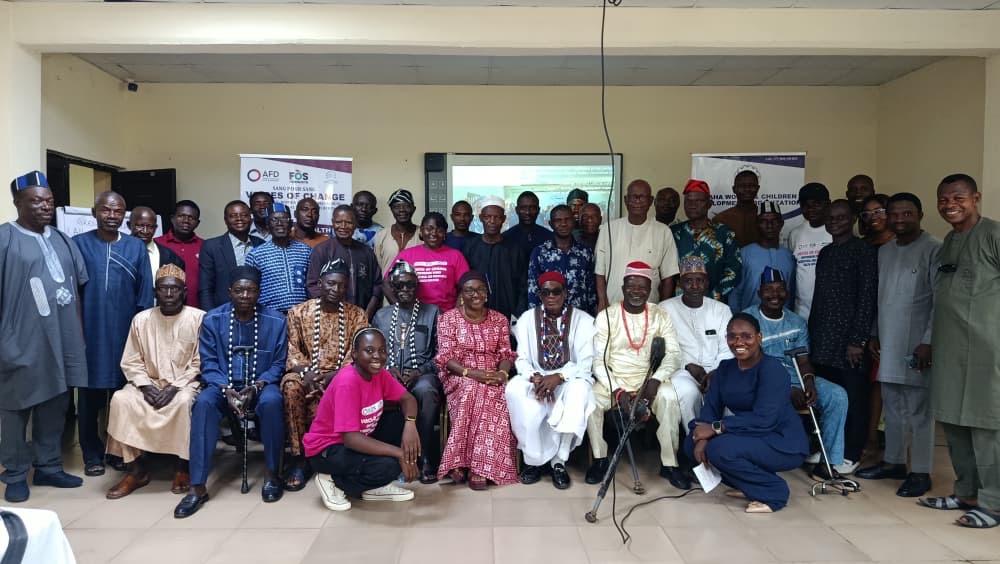
The Executive Director of Okaha Women and Children Development Organization (OWACDO), Dr. Joy Ijuwo, made this call on Friday in Makurdi, during a one-day review meeting held after a Men’s Forum training for Traditional and Religious Leaders on Menstrual and Menopausal health.
Addressing participants, Ijuwo described the presence of the traditional and religious leaders as a powerful demonstration of leadership, wisdom, and commitment to the welfare of women, girls, and families across their communities.
She noted that religious and traditional leaders remain critical stakeholders in shaping public opinion and influencing community responses to social and health issues, stressing that their support is essential in promoting dignity, health, and positive social values.
According to her, OWACDO, supported by Agence Franchise De Development (AFD) on the FOS FEMINISTA Project is currently implementing a project titled “Voices of Change: Empowering Women through Menstrual and Menopausal Health Education” in Makurdi and Guma Local Government Areas, beginning from February 2025, aimed at enhancing the health, dignity, and wellbeing of women by addressing stigma and Misconceptions surrounding menstruation and menopause which continue to affect many women and girls despite being natural biological processes.
She emphasized that as custodians of culture, tradition, and faith, traditional and religious leaders have a unique responsibility to foster open and compassionate conversations on issues that have long been shrouded in silence.
Other News
The OWACDO Chief further stated that menstrual and menopausal health should not be viewed solely as women’s issues but as matters of human rights, public health, family well-being, and community development saying “When women and girls are empowered with knowledge, support, and dignity, families thrive, communities grow stronger, and society moves forward.”
Reflecting on the earlier training session, Dr. Ijuwo observed that menstruation and menopause remain subjects surrounded by shame, misinformation, and inadequate support, leading to unnecessary health and social challenges for many women saying the review meeting was organized to assess lessons learned from the Men’s Forum training, identify observed changes, discuss challenges encountered, and gather recommendations for strengthening men’s engagement in promoting menstrual and menopausal health.
Dr. Ijuwo urged participants to share their experiences and honest feedback, noting that their contributions would help improve future interventions and deepen the impact of the project in the target communities.
The Commissioner for Women Affairs and Social Welfare, Mrs Theresa Ikwue, applauded OWACDO for initiating the program to engage men in understanding menstruation and menopausal health stating that stigma, silence and shame has continued to hinder open discussion of the issues both at home and in the society.
The Commissioner who was represented by the Director of Women Affairs, Mrs Magdalene Andor, further commended the organization for carrying the state government along and expressed commitment to partner with them to promote gender equality, social inclusion and provide access to health education and health services to women and girls across the state.
In their separate testimonies, some of the participants, Kindred Head of Wurukum Makurdi, Chief Simon Utov, Abdullahi Abubakar from Wurukum Central Mosque, Rev Ishaba Ojima of Assemblies of God Church Kanshio, Muktar Uba of Jama’atu Izalatil Bid’ah Wa Iqamatus Sunnah, JIBWIS/ Islamic Charity Society of Nigeria, among others, said the training has paid off saying after taking the awareness back home and to their communities, their wives, children and relatives are now freely discussing menstruation and menopause with them while others said the knowledge has solved marital issues in their homes.
Speaking on behalf of Persons Living with Disabilities (PWDs), Chief Dennis Ajoga said persons with disabilities are more vulnerable during menstruation and menopause and appealed to OWACDO and other development partners to support their female counterparts with menstruation pads and other dignity kits to enable them have a healthy menstruation.