Follow Us on Google

- Target 2,500 vehicles daily, project expansion to six northern states
The Federal Government has stepped up efforts to expand gas infrastructure beyond southern Nigeria, commissioning three new compressed natural gas (CNG) facilities in Kano State as part of plans to reduce transportation costs and deepen gas utilisation across the North.
The facilities, developed by Rolling Energy Limited in partnership with the Midstream and Downstream Gas Infrastructure Fund (MDGIF), are expected to serve up to 2,500 cars and tricycles and 200 trucks daily.
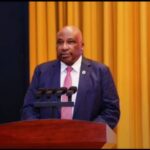
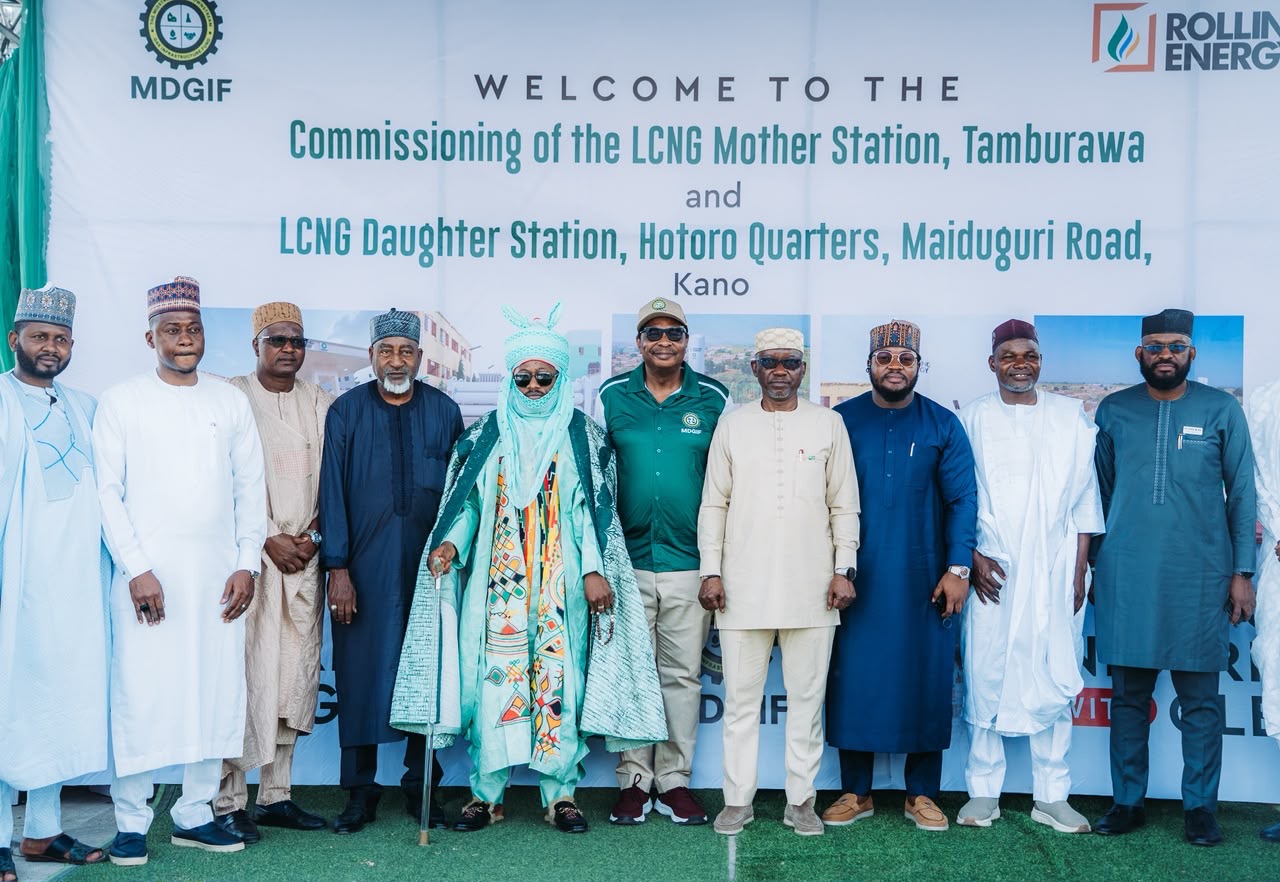
The Minister of State for Petroleum Resources (Gas), Ekperikpe Ekpo, commissioned the facilities on Tuesday, comprising a liquefied-to-compressed natural gas (LCNG) distribution hub and retail outlet at Tamburawa, and another LCNG retail station at Hotoro.
Ekpo described the projects as a practical demonstration of the Federal Government’s Renewed Hope Agenda, saying the country must move beyond policy announcements to infrastructure capable of delivering affordable energy to Nigerians.
“What we commission today is more than three pieces of infrastructure. It is Renewed Hope made tangible,” he said, adding that the government would continue to mobilise private investment to unlock the country’s gas potential.
The Tamburawa hub, located in Dawakin Kudu Local Government Area, has a capacity of 300,000 standard cubic metres daily, with facilities for LNG storage, regasification and CNG distribution. It is also designed to supply other daughter stations and has a retail outlet for direct vehicle refuelling.
The Hotoro station in Tarauni Local Government Area has a capacity of 21,000 standard cubic metres daily.
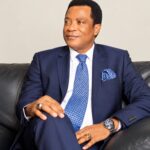
Executive Director of MDGIF, Oluwole Adama, said the facilities were part of an 18-facility partnership with Rolling Energy covering three states and the Federal Capital Territory.
He said the Kano infrastructure would provide an alternative to petrol for commercial transport operators, particularly at a time when high fuel prices continue to increase the cost of moving people and goods.
Adama said petrol sells for about N1,420 per litre in Kano, against approximately N600 for the equivalent energy from CNG.
He explained that a tricycle operator spending N14,200 daily on 10 litres of petrol could reduce the expenditure to about N6,000 with CNG, saving N8,200 daily and nearly N250,000 monthly.
Beyond transportation, he said the facilities could help reduce the cost of distributing agricultural produce, livestock and manufactured goods by lowering the energy expenses of haulage operators.
Adama said the MDGIF, established under Section 52 of the Petroleum Industry Act, was designed to address infrastructure gaps in the midstream and downstream gas sectors by supporting private-sector investments.
He cited the inauguration of the fund’s Governing Council in February 2024 and the signing of Executive Order 40 as part of the government’s efforts to stimulate investment in the gas value chain.
He urged transport unions, fleet operators, businesses and investors to utilise the facilities, stressing the need to sustain safety standards and build consumer confidence in CNG adoption.
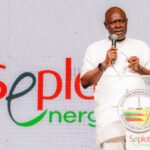
Founder and Chief Executive Officer of Rolling Energy, Mubarak Danbatta, said the Kano project was significant in addressing the challenge of limited gas supply infrastructure in northern Nigeria.
He said the Tamburawa hub would serve as a supply point for investors seeking to establish CNG stations in Kano, Jigawa, Zaria and neighbouring areas, reducing the need to transport gas from Ajaokuta and Obajana in Kogi State.
Danbatta said the company had also incorporated vehicle conversion workshops into the facilities, using Greco CNG kits, with Tamburawa capable of converting 20 vehicles daily and Hotoro six.
“We are not building stations only for our own customers. We are creating infrastructure that enables other businesses to serve their own customers and grow,” he said.
He disclosed that the partnership with MDGIF also covered plans for regasified liquefied natural gas (RLNG) gas-to-power facilities to supply industries.
According to him, Kaduna and Borno states are next in the expansion plan, with three facilities proposed in each state, while Jigawa, Katsina, Sokoto and Zamfara are also being considered.
The expansion is expected to create jobs in gas distribution, vehicle conversion, maintenance, safety and logistics, while providing industries and transport operators with access to alternative energy sources.
The Kano State Governor, Abba Kabir Yusuf, was represented at the commissioning by the Commissioner for Power and Renewable Energy, Gaddafi Sani Shehu.
Also in attendance was Danbatta’s father, Professor Umar Garba Danbatta, President of the Nigerian Academy of Engineering, alongside representatives of the Presidential Initiative on CNG and Electric Vehicles, regulators, community leaders and industry stakeholders.