Follow Us on Google
By Juliana Taiwo-Obalonye, Abuja
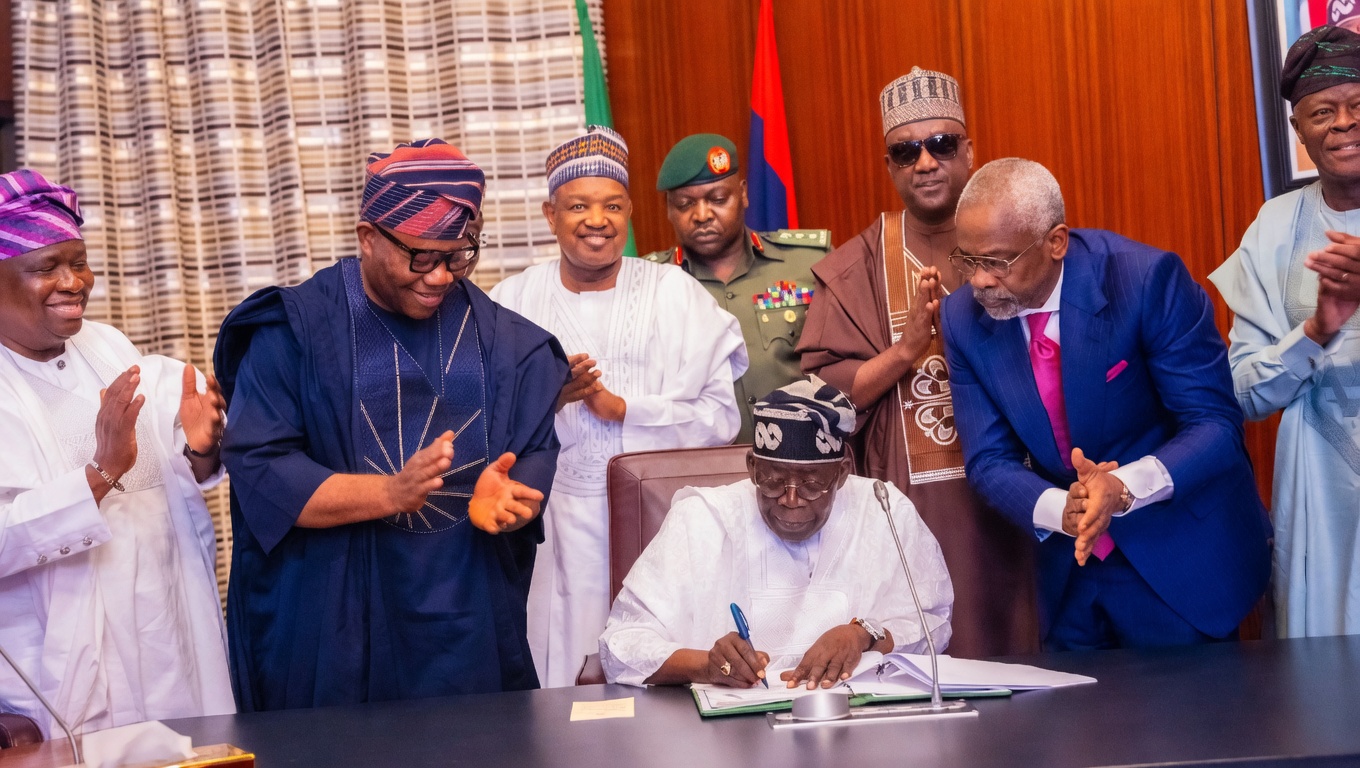
President Bola Tinubu has assented to the 2026 Appropriation Bill, approving a massive ₦68.32 trillion expenditure framework aimed at boosting economic stability and infrastructure nationwide.
In a parallel move, he signed legislation extending the implementation of the 2025 budget from 31 March to 30 June 2026, to ensure ongoing projects reach completion.
According to a statement issued by the Special Adviser on Information and Strategy, Bayo Onanuga, the 2026 budget breaks down with ₦4.799 trillion for statutory transfers, ₦15.8 trillion for debt service, ₦15.4 trillion for recurrent expenditure, and a substantial ₦32.2 trillion—about 50 per cent of the total—for capital projects under the Development Fund.
The allocation highlighted the administration’s focus on “economic stability, national security, infrastructure development, and inclusive growth”, according to the State House press release.
Other News
The budget extension targets the capital component of the 2025 Appropriation Act, allowing Ministries, Departments, and Agencies (MDAs) to “consolidate ongoing works, enhance project completion rates, and maximise value for public expenditure”, the statement noted.
With the new budget taking effect on April 1, full implementation aligns with the Renewed Hope Agenda.
President Tinubu directed MDAs to prioritise “disciplined, transparent, and efficient utilisation of allocated resources, with a strong emphasis on value for money and timely project delivery”.
He praised the National Assembly, saying their “diligence, cooperation, and patriotism” expedited the process and reaffirmed the need for “sustained collaboration between the Executive and Legislative arms of government in advancing national development objectives.”
The President also assured Nigerians of deeper fiscal reforms, better revenue generation, and investments to “stimulate economic growth, create jobs, and strengthen social protection mechanisms”.