Follow Us on Google
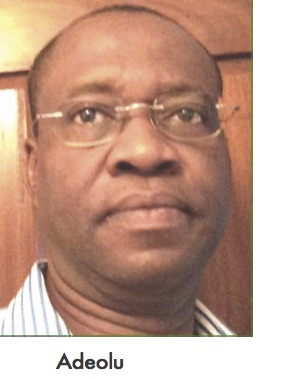
By Chukwudi Nweje
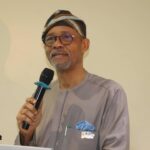
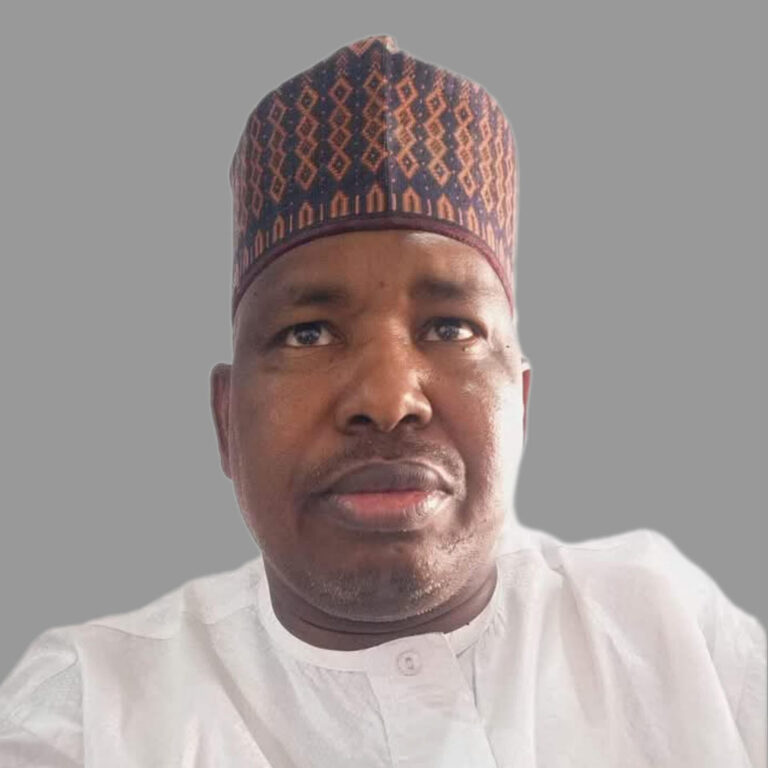
As President Bola Tinubu marks 100 days in office in few days, Adebayo Adeolu, a lawyer, author and public affairs analyst has said the administration should have made resolving the Nnamdi Kanu / Indigenous People of Biafra (IPOB) crisis one of the priorities of the administration. He said the Federal Government should address the rising inflation in the country and look into the ease of doing business in Nigeria rather than share palliatives.
The President Bola Tinubu-led administration is nearing 100 days in office, what are your thoughts on his performance so far?
President Bola Tinubu has in his first 100 days stirred the hornet’s nest; he removed petroleum subsidies that didn’t even exist in Nigeria in the first place. Suffice to say that previous governments had created a basket economy that was unfavourable to Nigeria, the government and people of Nigeria. The absence of functional refineries in the country makes payment of subsidies a drain pipe on the economy, and along with that, there is huge theft of crude oil and petroleum products, which results in huge revenue shortage for Nigeria, whose economy is dependent on crude oil sales.
The fact is that subsidies only work when you have natural resources like crude oil and have the ability to refine the crude oil domestically within your country. This is what Saudi Arabia and other crude oil-bearing countries do. When you have crude oil and refine within your country, you can sell your products at any price you want and grant discount to your citizens. This is what is called subsidy; it means you have subsidised the price of the product for your people to make life comfortable for your own citizens. That means the domestic cost of petroleum products would be different from international market price fixed by the Organisation of Petroleum Exporting Countries (OPEC) for export and international global price.
This policy was gradually reversed with the exit of Gen Yakubu Gowon as Head of State. When Gen Ibrahim Babangida emerged in 1985, everything changed drastically as he bought the World Bank and International Monetary Fund (IMF’s) ill-fated advice to introduce the structural adjustment programme and allowed market forces to determine the value of the Nigerian currency, and floating of the Naira was adopted.
The floating of the Naira changed Nigeria forever, and Babangida’s successors in office have unfortunately continued the policy. The irony is that floating the currency should only be for short periods of time, six months to a year for any country which decides to do it. The floating allows for stabilisation of the currency and economic management system where there are disparities between the economic system and exchange rates This has been used by the United States of America (USA) and other developed economies that have a manufacturing economy. It should not be a permanent fixture because allowing such for a prolonged period as Nigeria’s leaders have done leads to heavy devaluation of the currency, and will lead to negative economic consequences. In Nigeria, it has distorted the economic class; today in Nigeria, you are either rich or poor, there is no lower class, middle class or upper class.
The government seems to want to a change but you can’t have your cake and eat it. That is if you want to make meaningful change and improvements, you have to tone down on the cost of running the government which has not materialised in Nigeria.
Tinubu is celebrating 100 days in office at a time Nigerians are still waiting for the decision of the Presidential Election Petition Tribunal; do you think the development has affected the performance of the president in any way?
The President is distracted, it appears the team and cabinet don’t know what to do or what is expected of them. The members of the inner cabinet, who should be invincible are unfortunately busy sharing the spotlight with the President; governments are not run that way.
Has President Tinubu stabilised Nigeria? I will say, he has not yet sorted out the crisis within Nigeria.
The case of Nnamdi Kanu, the leader of IPOB should have been on the priority list of President Tinubu.
The President has to release political detainees and leaders who represent the various region of Nigeria that are in detention, failure to act on this is not a positive body language for reconciliation and inclusiveness of all ethnic groups in Nigeria.
The Presidential Elections Tribunal should round off their findings as the delay has not allowed the government to settle down and this has put a question on the legitimacy of the democratic government across the globe.
The Federal Government has rolled out some palliative measures, N5biliion per state and FCT Abuja to cushion the effects of fuel subsidy removal, how do you rate these measures?
Rolling out palliative is not the solution to the challenges Nigerians are facing. The challenges facing Nigeria are economic, the high cost of living and the high prices of goods and services in Nigeria.
What the government needs to tackle is high inflation rate, the cost of doing business and the cost of renting houses, food prices and basic needs of the people in Nigeria. The palliative idea is from the previous government of President Muhammadu Buhari who did not seem to understand how to govern. Palliatives like Trader Moni and other economic policies supervised by former Vice President Yemi Osinbajo eventually ruined his reputation following the scandalous outcomes of the empowerment programmes the previous government initiated. It is simple life experience, don’t give a man fish but show him how to fish. A conducive environment both peaceful and safe and economically tuned in a realistic direction would solve many of the hardships going on in Nigeria. The cost of food must come down and this will be achieved with a good security network across the country where people can do their businesses without fear of molestation attack and kidnapping and violence on their person.
What is your reaction to the wave of military coups sweeping across francophone West and Central Africa; Nigeria is spearheading the Economic Community of West African States (ECOWAS) efforts to restore the democratic governments, what do you say?
Nigeria has not asserted its authority within the regional bloc of ECOWAS and the African Union (AU) because the government in Nigeria has not settled down fully, and the government has not settled down because it suffers a legitimacy crisis and Tinubu is waiting for the Election Petition Tribunal to make a pronouncement on his election victory.
However, these military coups sweeping across Africa are in reaction to bad governance and leadership. Some of the Presidents being deposed have over stayed in office. The military takeover was triggered by issues of security and terrorism and bad governance. The corruption triggered migrant crisis and the crisis is also triggered from independence; the French have not actually given full independence to its former colonies and the terms of their independence are being looked at more critically and scrutinised by the current generation of people in those countries. The independence given these countries was badly negotiated; so it is not just an ordinary coup, the earlier the leaders of ECOWAS understand this, the better for us all. The coup in Niger and the other countries is not like what they had in the past. It seems the coup leaders are trying to renegotiate with their former colonial master a new freedom and new terms of partnership, not what they signed in the 1960s. They want a new deal. Nigeria and those kicking should take note and give support to the new military government in these French territories.
Are you saying the military governments should be recognised?
The President of Nigeria as chairman of the ECOWAS Authority of Heads of state and Government should be very careful; he should remember all the foreign countries courting him today did nothing during the June 12 crisis; he should know that these military men have the support of their people, the people have given them legitimacy.