Follow Us on Google
From Okwe Obi, Abuja
Nigeria and other African countries have renewed calls for stronger cooperation to tackle transboundary livestock diseases, outdated farming practices and fragmented value chains threatening the continent’s animal agriculture sector.
The countries also called for greater implementation of continental agreements and policies aimed at improving livestock production, saying Africa could no longer afford to depend heavily on foreign countries for animal products despite its enormous livestock population and natural resources.
The call was made yesterday at the 9th All Africa Conference on Animal Agriculture 2026 in Abuja, with stakeholders warning that disease outbreaks, climate change, conflicts, poor infrastructure, weak animal health systems and low productivity were undermining the continent’s food security and economic potential.
President Bola Tinubu, who spoke through the Secretary to the Government of the Federation (SGF), George Akume, said his administration was committed to transforming Nigeria’s livestock sector into a modern and commercially viable industry.
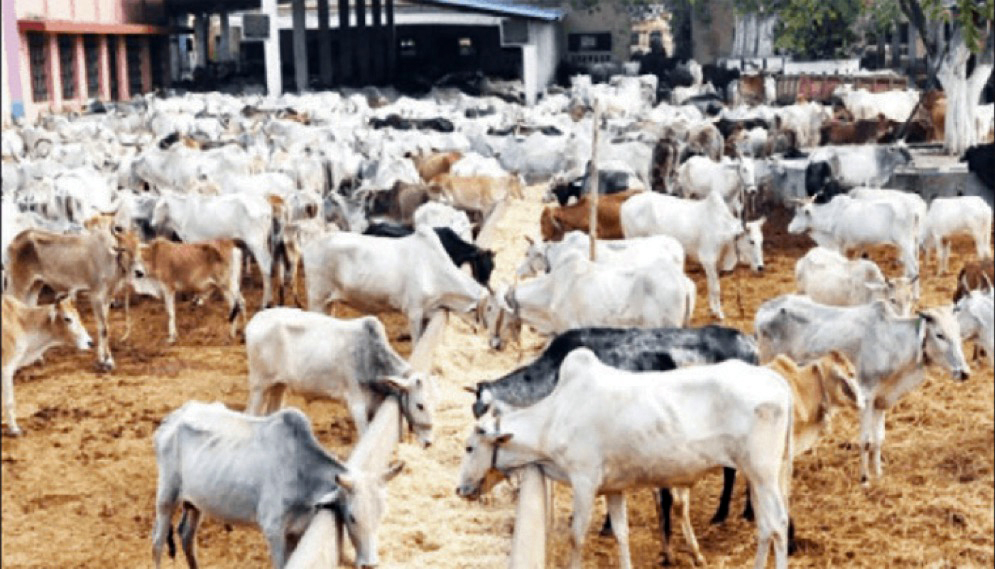
Tinubu said Nigeria had about 58 million cattle, 120 million goats, 70 million sheep, 14.3 million pigs, 1.3 million donkeys, 400,000 camels and 600 million poultry birds.
He said the huge livestock population across Nigeria and Africa demonstrated the continent’s capacity to meet its domestic needs and compete in international markets instead of relying on imports.
“The livestock sector represents not only a source of food and nutrition, but also a strategic economic asset capable of driving industrialisation, poverty reduction, youth employment, regional trade, and economic prosperity,” the President said.
“Since the inception of our administration, we have placed agriculture and food security at the centre of our Renewed Hope Agenda.
“Recognising the enormous potential of the livestock industry, our administration took the historic decision to establish the Federal Ministry of Livestock Development in July 2024.”
Tinubu said the creation of the ministry marked the beginning of a comprehensive National Livestock Transformation agenda, following the recommendations of the Presidential Committee on Livestock Reforms.
He said the reforms were designed to strengthen governance, improve productivity, promote peaceful and sustainable livestock production systems and create an enabling environment for private-sector investment across the livestock value chain.
“This landmark policy initiative demonstrates our commitment to transforming livestock production from a largely subsistence and cultural activity into a modern, technology-driven, commercially competitive, and globally integrated venture,” he said.
The President added that no country could achieve sustainable prosperity without a secure and productive agricultural sector, describing livestock development as one of Africa’s biggest opportunities for wealth creation, improved nutrition, industrial growth and inclusive economic development.
Minister of Livestock Development, Idi Mukhtar Maiha, said the theme of the conference, “Repositioning Animal Agriculture for Africa’s Food Security and Global Competitiveness,” captured the urgent need to overhaul the continent’s livestock industry.
Maiha said Africa must move away from a livestock sector characterised by low productivity and fragmented value chains to one capable of delivering food security, creating wealth, generating employment and supporting sustainable economic growth.
He said the world was facing unprecedented challenges from climate change, population growth, conflicts, emerging animal diseases, supply-chain disruptions and rising food prices.
Other News
According to him, the challenges were reshaping the future of global agriculture and compelling countries to rethink how food and animal production were organised.
However, Maiha said the challenges also presented Africa with a historic opportunity to harness its natural resources, scientific capacity, youthful population and entrepreneurial energy to build a modern livestock economy.
He said such an economy could meet domestic demand while enabling African countries to compete effectively in international markets.
The minister noted that Africa possessed one of the largest livestock populations in the world.
“Our continent is home to hundreds of millions of cattle, sheep, goats, camels, and poultry, supported by extensive grazing lands, diverse ecological zones, and indigenous animal genetic resources that have evolved remarkable resilience to harsh climatic conditions,” he said.
Maiha said livestock contributed significantly to agricultural GDP in many African countries and supported the livelihoods of hundreds of millions of people, particularly women, young people and pastoral communities.
He said Nigeria had embraced a new direction in livestock development following the establishment of the Federal Ministry of Livestock Development by Tinubu in July 2024.
According to him, the creation of the ministry marked a watershed in the country’s agricultural history, as it provided dedicated institutional leadership for the livestock sector for the first time.
“This is the first time since the history of the independence of this country,” he said.
Maiha said the development reflected the strategic importance of livestock to national food security, economic diversification, rural development and export promotion.
He said the ministry was implementing comprehensive reforms through the Nigerian Livestock Growth and Analysis Strategy, a national framework designed to unlock investment, improve productivity and modernise livestock value chains.
“This strategy places emphasis on animal health, breeding and genetics, feed and fodder development, peace building, livestock infrastructure, value addition, market access, youth and women empowerment, digital innovation, climate resilience, and private sector participation,” he said.
The minister also stressed the importance of the African Continental Free Trade Area (AfCFTA), describing it as one of the most transformative economic initiatives on the continent.
With a market of more than 1.5 billion people and a combined economic output running into trillions of dollars, he said AfCFTA provided Africa with an opportunity to build integrated livestock value chains that could operate across national borders.
He said stronger regional cooperation would also help African countries address transboundary animal diseases, improve animal health standards, strengthen trade and reduce dependence on imported livestock products.
The minister urged governments, private investors, researchers and development partners to work together to modernise animal agriculture and turn Africa’s vast livestock resources into sustainable economic opportunities.