Follow Us on Google
From Juliana Taiwo-Obalonye, Abuja
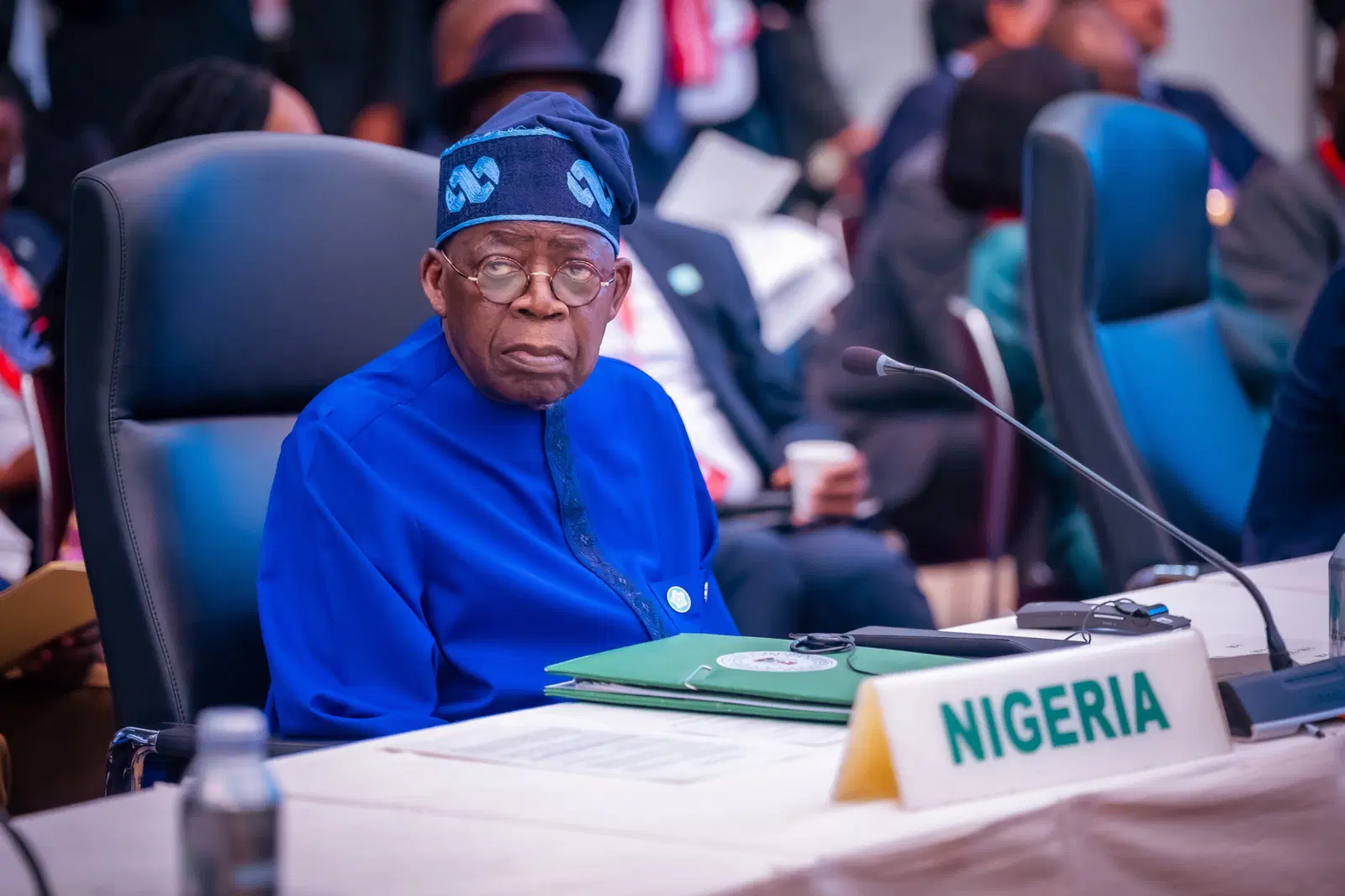
President Bola Tinubu has emphasised that inclusivity, diversity and the rule of law remain Nigeria’s greatest strengths and key pillars that have underpinned national progress and stability.
Speaking at the ninth Tokyo International Conference on African Development (TICAD9) in Yokohama, Japan, he called for a shift from aid dependency to market-driven cooperation and partnerships and urged international allies, including Japan, to support African agency and reforms.
He appealed particularly for backing in the ongoing campaign for reforms in the United Nations Security Council to grant African countries fairer representation.
“We should be under no illusions about the scale of our task. But neither should we underestimate the successes we have had. In the past, competition for resources has weakened states and triggered conflict. Now, we see mediators directly linking outcomes to investment in Congo. It is working and underlines the need for fresh thinking in everything we do to deliver peace and stability.
“Nigeria understands this process well. We believe inclusivity and diversity under the rule of law are our strengths. We have argued for this vision, and we have fought for it. We are still fighting for it today. We have learned that our brave armed forces can win many battles. But we can do justice to their heroism and sacrifice only when we, as governments, display the courage to be tough, not only on terror, but on the causes of terror.”
He also called on the Japanese government to support the campaign for reforms in the United Nations’ organs, especially the United Nations Security Council, to give African countries a greater voice.
“It is the view of Nigeria that Africa’s quest for fair and equitable representation in the UN Security Council is a just and fair demand. Indeed, Africa deserves two seats in the Permanent Category, with all its prerogatives and privileges, including the Right of Veto. Africa also deserves additional seats in the non–permanent seat category of the Security Council, as encapsulated in the Ezulwini Consensus and the Sirte Declaration.”
President Tinubu also underscored the role of technology and information in fostering peace and cooperation. He called for international collaboration to ensure technology becomes a tool for unity rather than division.
Japanese Prime Minister Shigeru Ishiba, on his part, pledged substantial support for Africa’s development, announcing a collaborative economic framework between Japan and the African Development Bank that will mobilize up to $5.5 billion in investments, leveraging Japan International Cooperation Agency (JICA) private sector investment finance as a catalyst.
Ishiba stressed the importance of co-creation and locally-rooted solutions, focusing on private sector-led sustainable growth, youth and women empowerment, and regional integration.
He remarked on Japan’s demographic challenges such as a declining population and shrinking agricultural land and highlighted the opportunity in Africa’s burgeoning youthful population. “There is so much growing young population in Africa, but for the power of young people in Africa to flourish, you need to create a manufacturing industry and create employment,” he said.
PM Ishiba’s vision for Africa’s development included an “Indian Ocean and Africa economic zone initiative” to expand trade and investment, coupled with plans to cultivate 30,000 artificial intelligence experts over the next three years to drive industrial digitalization and job creation.