Follow Us on Google
•As NASS stalls on constitution review
From Juliana Taiwo-Obalonye, Abuja
Federal Executive Council (FEC) meeting has approved two major policy memos which target the long‑standing problems in Nigeria’s power sector.
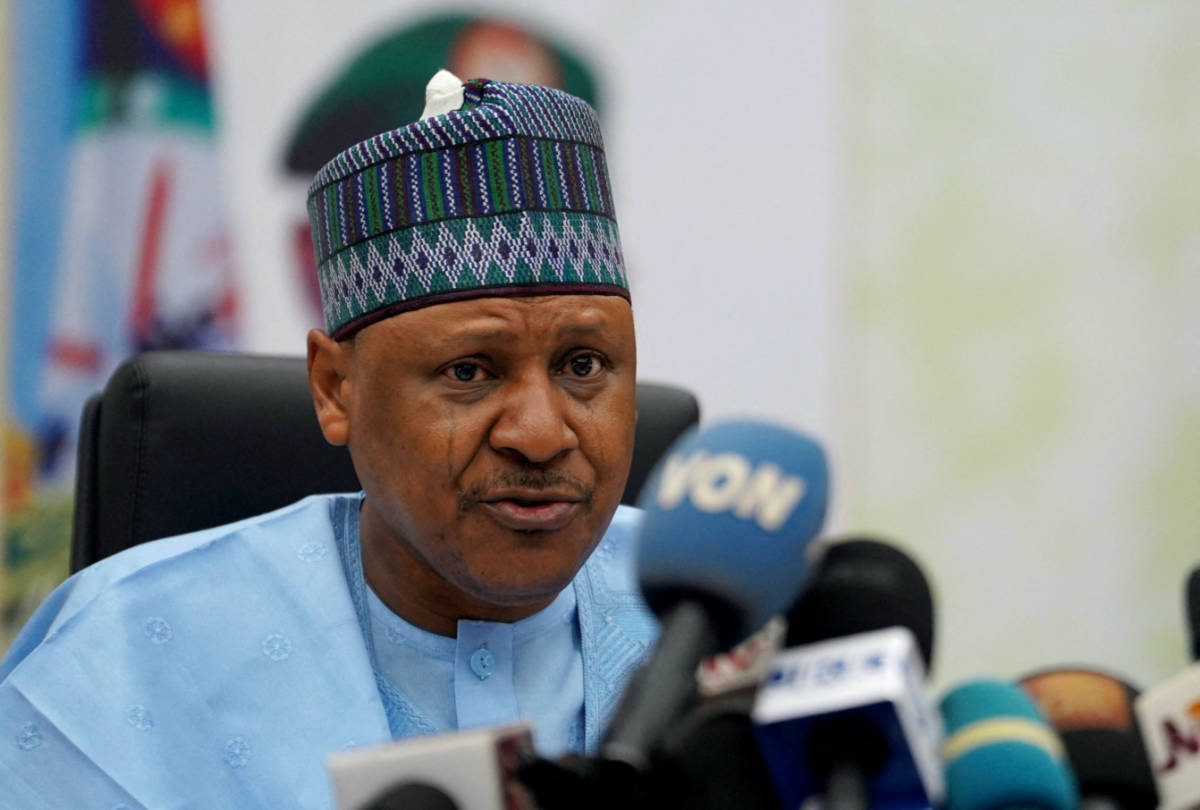
Minister of Information and National Orientation, Mohammed Idris, who addressed the press yesterday, explained that with the deregulation of the power sector, operations have been split into generation, transmission, and distribution.
“The President has said that the problem mainly in our quest to solve the power problem is largely in the transmitting section. “Therefore, Mr. President came with a bill mulling the idea of setting up what is called the Grid Asset Management Company, for example, Grid Asset Management Company.”
He added that the initiative is still a work in progress, with a multi‑ministerial committee already set up to oversee the process. The committee includes the Minister of Power, the Minister of State for Gas, the Minister of Works, the Minister of Finance, the Chairman of the Nigeria Legal Service, and the Minister of Science and Technology, “or any other member that they may choose to cooperate with to ensure a seamless process.”
The parameters, applicable laws, and the interests of existing investors and operators in the transmission segment will be examined, according to Idris with the aim of eventually presenting the framework to the National Assembly for necessary legislation.
“Of course the regulatory part will be looked at, all the laws will be looked at,” Idris said. “The whole idea is to ensure that as Nigeria stabilizes its economy… and our foreign reserve is going up, over $50 billion, the highest in over 80 years… inflation, food inflation is coming down… all aspects of the economy are really looking up and improving.”
Other News
He quoted the President’s rationale: “For us to actually industrialize, the power sector must be fixed and that is why we are taking this initiative of looking at how this grid asset management company will be set up to help us to solve the problem of power once and for all in this country.”
The second memo presented by President Tinubu was on reforming efficiency and morale in the civil service by introducing an additional exit‑benefits scheme for retiring workers.
According to Idris, the Council approved “an additional exit benefits scheme providing up to 100 percent of employees’ total emoluments for retiring employees of all treasury‑funded ministries, departments, and agencies under the Contributory Pension Scheme.”
He emphasised that the decision is in line with Section 4(4)(a) of the Pension Reform Act 2014, which empowers the government to introduce a gratuity framework for retiring employees of federal treasury‑funded MDAs.
“To say it again,” Idris stated, “there is an approval in place by council for implementation of an additional exit benefit scheme providing up to 100 percent of employees’ total emoluments for retiring employees of treasury‑funded MDAs.” He described the move as “designed to improve efficiency in our civil service arrangement.”
Independent analyses by the National Pension Commission (PenCom) and the Office of the Head of the Civil Service of the Federation estimate that paying 100 percent of last gross annual salary as a one‑time gratuity would cost the federal government around N30 billion annually, which is now being factored into the proposed scheme.