Follow Us on Google
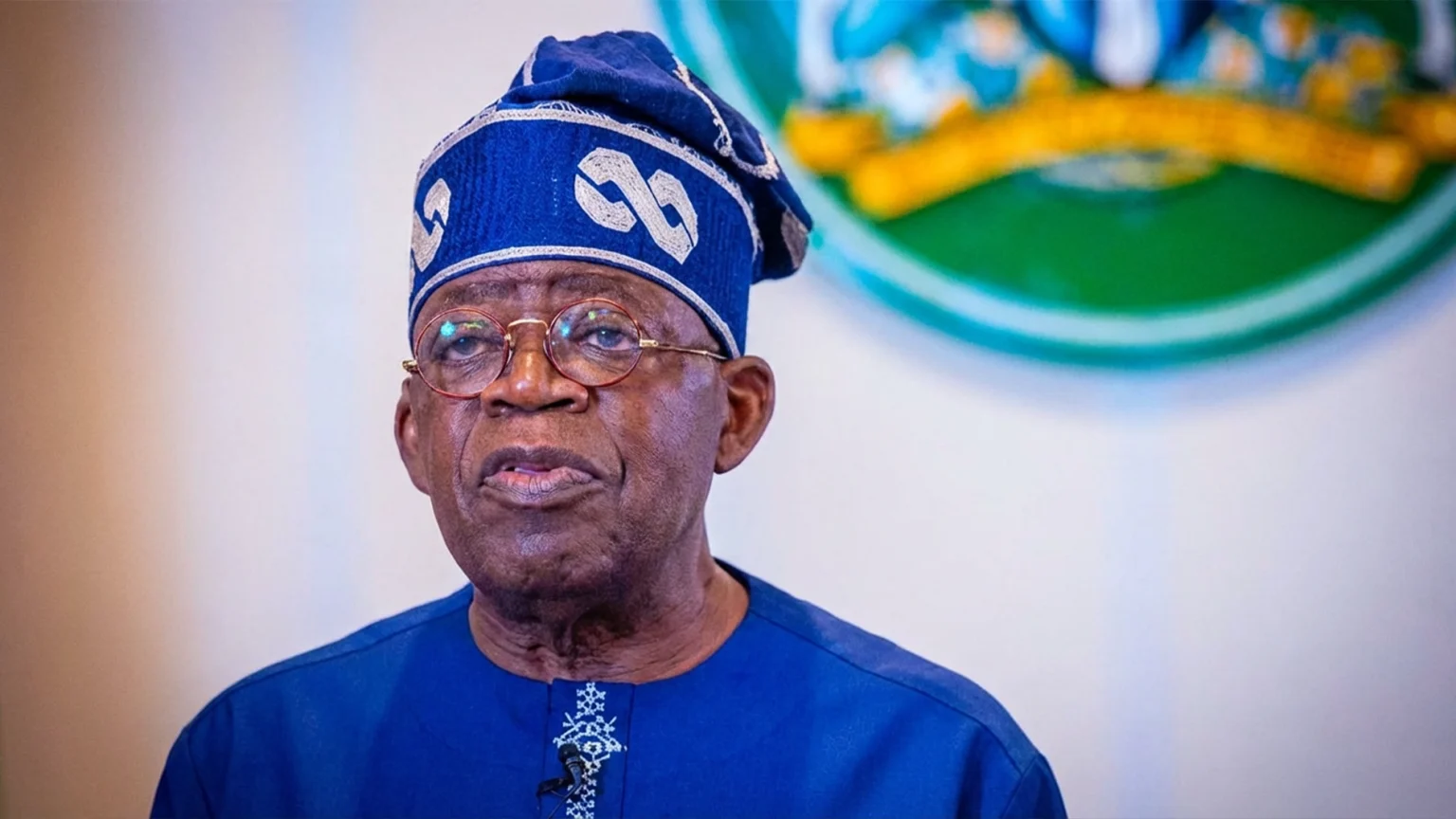
The Federal Government has said that it would deliver 154,800 affordable housing units across the 774 local government areas of Nigeria in two phases.
The initiative, named the Tinubu Mass Social Housing Scheme (TMSHS), will ensure greater access to decent housing for low-income households, informal sector workers, young families, and vulnerable Nigerians.
Speaking at the opening of the 20th anniversary of the Africa International Housing Show (AIHS@20) today in Abuja, President Bola Ahmed Tinubu said that the initiative complements the broader Renewed Hope Housing Programme, reinforcing the commitment to ensuring that every Nigerian has the opportunity to own or occupy a decent home.
“We are equally committed to creating an enabling environment that attracts both domestic and international investment into Nigeria’s housing and infrastructure sectors. We recognise that government alone cannot bridge Africa’s housing deficit. Sustainable progress demands strong partnerships among governments, financial institutions, development partners, the private sector, professional bodies, and organised communities, each contributing unique strengths toward a shared goal. I am particularly pleased that this conference continues to provide a strategic platform for policy dialogue, knowledge sharing, technology transfer, investment promotion, and regional co-operation. Such engagements are critical to developing innovative financing models and practical solutions that respond directly to Africa’s unique housing challenges. Nigeria remains ready to work with sister African nations, regional institutions, multilateral organisations, and development partners to promote inclusive urban development, climate-resilient infrastructure, sustainable cities, and affordable housing for all our people,” he said.
The President, who was represented by the Minister of Housing and Urban Development, Engineer Muttagha Darma, highlighted that the government is also implementing policies to encourage climate-resilient urban development, slum upgrading, and the creation of sustainable cities that can support Nigeria’s rapidly growing urban population.
Other News
He, however, recognised the need for data-driven policy, adding that the government has commenced the National Housing Data Programme, establishing Nigeria’s first integrated housing database to support evidence-based planning, investment decisions, mortgage development, and policy formulation.
“We are also digitising land administration, strengthening the National Digital Land Information System, promoting geospatial mapping, and modernising land governance to improve transparency, reduce transaction costs, and facilitate easier access to land for development. We remain committed to promoting local content in the housing sector. Through support for building materials manufacturing hubs and the adoption of indigenous technologies, we are reducing dependence on imports, lowering costs, creating manufacturing jobs, conserving foreign exchange, and strengthening Nigeria’s industrial base. Housing has become a major platform for economic diversification and inclusive growth,” the President noted.
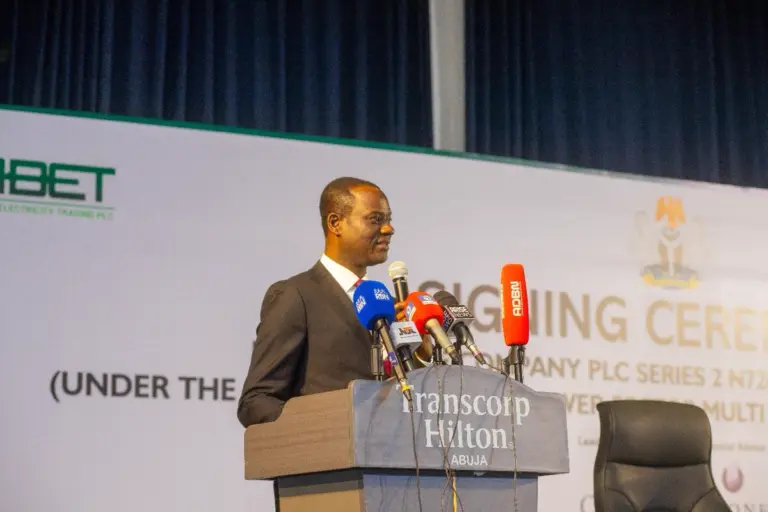
In his remarks, the Managing Director and Chief Executive Officer (MD/CEO) of the Federal Mortgage Bank of Nigeria (FMBN), Shehu Usman Osidi, noted that across Africa, rising land and construction costs, inadequate infrastructure, and limited access to affordable housing finance have placed homeownership beyond the reach of many low-income earners and informal sector workers.
He regretted that rapid urbanisation continues to outpace housing supply and widen the affordability gap, highlighting the urgent need for innovative financing models, enabling government policies, and stronger public-private partnerships.
“By working together to reduce the cost of housing delivery and expand access to affordable housing finance, we can develop sustainable solutions that make decent housing accessible to millions of Nigerians.”