Follow Us on Google
From Juliana Taiwo-Obalonye, Abuja
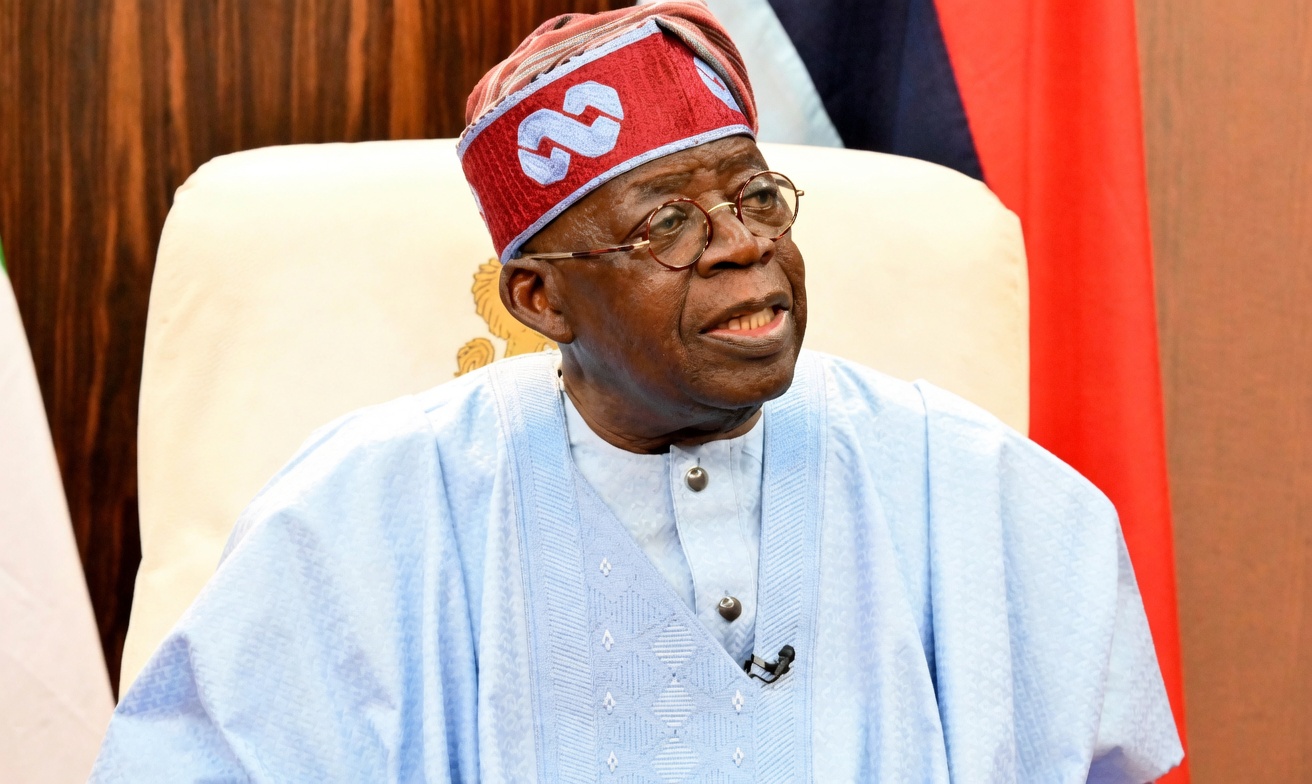
President Bola Tinubu on Friday said his administration’s decision to remove the fuel subsidy saved Nigeria from imminent bankruptcy and set the country on a path to gradual economic recovery.
This is even as he reiterated that his administration would continue to pursue people-oriented policies to reduce hardship, create jobs, strengthen food security and ensure inclusive growth.
In a statement issued by Special Adviser on Information and Strategy, Bayo Onanuga, the President stated this when he hosted state governors who had travelled to Lagos for Sallah celebrations and to mark the third anniversary of his administration, even as he acknowledged the hardship the subsidy removal imposed on many Nigerians but insisted the difficult choice was necessary to rescue the public finances and restore stability.
“It was challenging at the time, but we survived. We face litigation and accusations. We survived them. Instead of bankruptcy, Nigeria has survived. The economy has recovered. It is growing. Agriculture is booming,” the President said, adding that the policy put the nation on an “economic reset.”
Tinubu said years of “enormous resources” spent on unsustainable subsidy payments had benefited only a few while denying critical sectors the investments they required. He described the reform as painful but essential for fiscal survival and for restoring investor confidence.
“Today I was watching some clips of the Sokoto–Badagry axis. Imagine how many dams on that corridor for irrigation, for farm land, for electricity. Well, many of you have survived and promoted the perseverance of many of our people, asking them to trust this government, and you have built that trust around one person: my leadership. I thank you very much,” he told the gathered governors.
The gathering included governors from Lagos, Nasarawa, Jigawa, Sokoto, Kebbi, Taraba, Niger, Ekiti, Delta, Ondo, Edo, Adamawa, Benue, Enugu, Ogun and Kogi states, and the deputy governors of Borno and Kano.
Tinubu said ongoing reforms in infrastructure, agriculture, social investment, foreign-exchange management and fiscal discipline were beginning to show results. “The economy has recovered. Macroeconomic indices are doing very well. Construction is ongoing on roads and infrastructure; the ones abandoned have been rehabilitated. The housing industry is coming on very well. Agriculture will prosper again. We will achieve food sovereignty if we utilise the land that is in your possession and in your various states effectively,” he said.
Other News
He thanked Nigerians for patience and resilience and praised the cooperative role of state governors in persuading citizens to endure the transitional period.
“You kept the spirit, you kept the hope. You persuaded our people to be patient and endure these three years of painful reform, during which we put the economy on a reset. Today, the benefits are showing,” Tinubu added.
Vice President Kashim Shettima lauded the president’s resolve, framing the subsidy removal as a courageous effort to confront long-standing corruption in the oil sector. “Your Excellency, Mr President, this is the essence of your leadership. You did not come to power in the season of ease. You came at a time when the house required more than a canter. It required a builder with the courage to examine the foundation you inherited,” Shettima said.
“In that defining hour, you choose not to postpone the surgery. You choose not to massage the wound. You choose to confront the contradictions that have held this country hostage for 50 years; that is the miracle of your courage,” the vice president added, saying the reforms represent “the difficult work of re‑engineering a nation.”
Kwara State Governor Abdulrahman Abdulrazaq, speaking for the Nigeria Governors’ Forum, credited the policy changes — including subsidy removal and fiscal reforms — with increasing revenue flows to states and improving their ability to meet obligations. “I think the nation was shocked by the audacity of Mr President to implement that serious policy, but today, it benefited immensely from that policy,” he said.
AbdulRazaq said many states that previously issued bonds and borrowed to pay salaries and pensions were now reducing debt and no longer dependent on federal interventions. He urged the president to consider raising the national minimum wage to N100,000.
Chairman of the Progressive Governors Forum and governor of Imo State, Hope Uzodinma, thanked Tinubu for stabilising the economy, telling the president: “We have assessed your performance, Mr President, and I’m happy to announce that we have scored it a 100 per cent. We thank you for the genius you are, the fatherly role you have played, your interventions in terms of our needs and your vision for the country, moving forward.”
Lagos Governor Babajide Sanwo-Olu, who welcomed his colleagues to the state for the Sallah celebrations, thanked them for their support for the president and urged continued cooperation.