Follow Us on Google
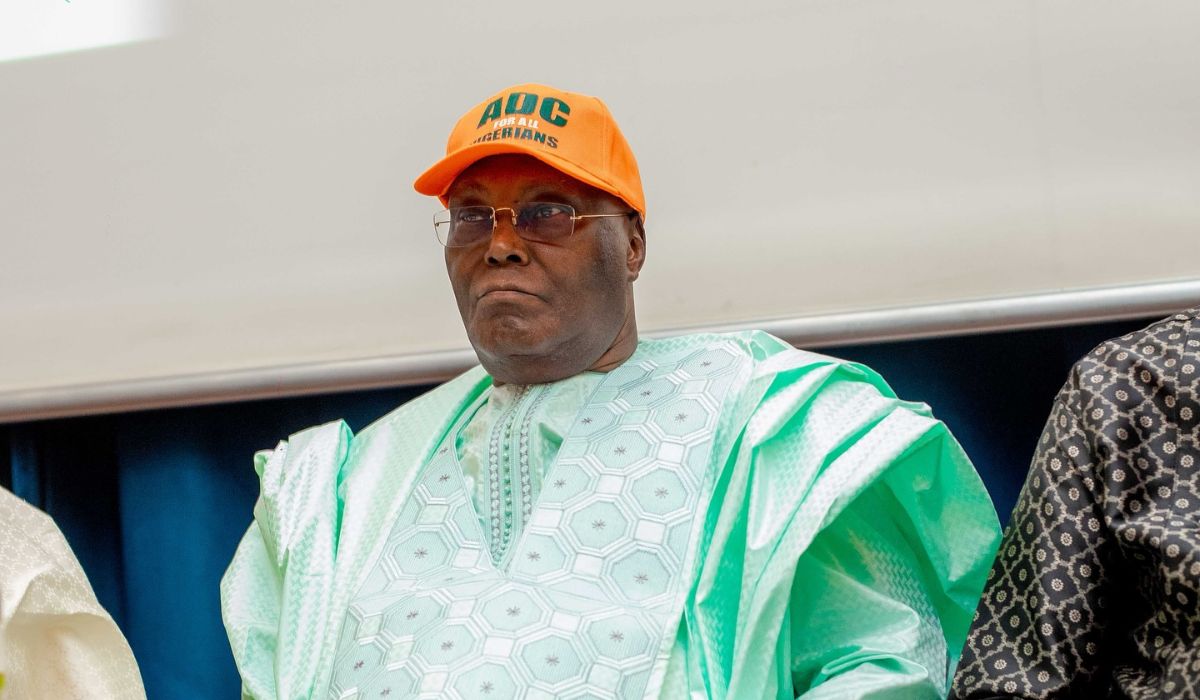
Former Vice President and African Democratic Congress presidential candidate, Atiku Abubakar, has accused President Bola Tinubu’s administration of driving Nigeria into a cycle of excessive borrowing, mounting debt and financial mismanagement, following revelations that the Federal Government exceeded its approved 2024 borrowing limit by ₦4.79tn.
In a statement issued on Wednesday by his Senior Special Assistant on Public Communication, Phrank Shaibu, Atiku said the latest figures released by the Budget Office confirmed that the Federal Government borrowed ₦12.62tn in 2024, exceeding the ₦7.83tn borrowing ceiling approved by the National Assembly by 61.2 per cent.
The former vice president argued that the latest borrowing profile contradicted the assurances given by the Tinubu administration that the removal of fuel subsidy, increased taxation and other economic reforms would reduce government borrowing and restore fiscal stability.
“Nigerians were promised that the painful removal of fuel subsidy, repeated tax hikes and other harsh economic measures would reduce borrowing and restore fiscal stability.
“Instead, the country is witnessing the exact opposite: endless borrowing, ballooning debt and unprecedented waste,” the statement said.
Atiku questioned the source of an additional ₦3.19tn classified as budget support, noting that no provision was made for such financing in the 2024 Appropriation Act.
He described the development as evidence of what he called a recurring pattern of fiscal opacity and poor financial management.
According to him, the administration has continued to operate duplicated budgets, conceal significant expenditures under the Service Wide Vote, establish what he described as unnecessary government agencies and approve lavish spending on luxury vehicles while key sectors of the economy remain underfunded.
He also challenged the government to demonstrate the impact of the increased borrowing, arguing that there was little evidence of corresponding improvements in education, healthcare, infrastructure or national security.
“The tragedy is that Nigerians are being forced to service debts whose benefits they cannot see,” Atiku stated.
The former vice president further argued that reports indicating the Federal Government earned an estimated ₦7.98tn oil revenue windfall from higher international crude prices should ordinarily have reduced the country’s dependence on borrowing.
“A government earning windfalls while borrowing recklessly is not suffering from lack of revenue; it is suffering from lack of discipline,” he said.
Atiku also expressed concern over the country’s growing debt servicing obligations after the Budget Office disclosed that debt service rose to ₦12.36tn, exceeding the approved estimate by more than 52 per cent.
He warned that Nigeria was approaching a dangerous fiscal position where fresh borrowings would increasingly be used to service existing debts rather than finance development.
“This is not economic reform. It is fiscal vandalism,” he declared.
Atiku maintained that Nigeria requires a government committed to fiscal discipline, transparency and prudent management of public resources instead of what he described as an endless cycle of borrowing.
He said an ADC-led administration would focus on blocking revenue leakages, eliminating wasteful expenditure and channelling public funds into productive investments capable of stimulating economic growth and improving citizens’ welfare.
His remarks followed a Budget Office report indicating that the Federal Government exceeded its 2024 borrowing programme by ₦4.79tn, bringing total fresh borrowing to ₦12.62tn, while debt servicing also surpassed budget estimates, reigniting concerns over Nigeria’s rising debt burden and the sustainability of its fiscal strategy.
The Federal Government has consistently defended its borrowing policy, maintaining that the loans are required to finance critical infrastructure projects, support ongoing economic reforms and meet key budgetary obligations, even as opposition parties continue to question the country’s growing debt profile.