Follow Us on Google
From Juliana Taiwo-Obalonye, Abuja
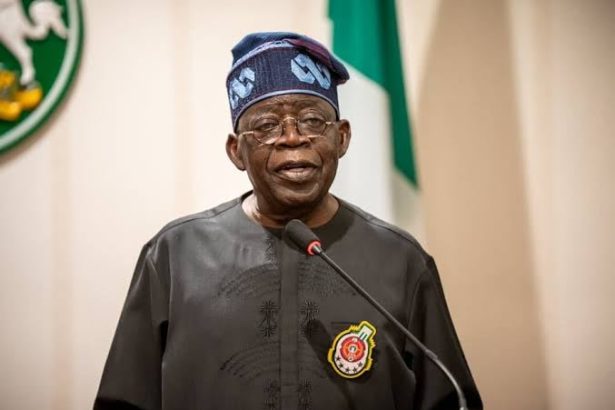
President Bola Tinubu at the 21st All Nigeria Editors Conference (ANEC) held at the State House Banquet in Abuja, called on Nigerian journalists and media stakeholders to play a critical role in strengthening the nation’s democracy rather than undermining it.
President Tinubu welcomed esteemed members of the media, former governors, the diplomatic corps, and traditional leaders, acknowledging their enduring contribution and role in shaping Nigeria’s democratic future. He expressed gratitude for their commitment saying, “thank you for being here and consistent inspiration to all of us in the face of our democracy and the future of this country.”
The President reflected on Nigeria’s political journey, stating that journalism in Nigeria has historically been “more than a profession,” serving as “an instrument of national awakening.” He praised the Nigerian press for enduring intimidation and challenges in defense of democracy, saying, “sacrifice is a part of the foundation upon which our democracy rests today.”
Other News
On the theme of the conference, “Democratic Governance and National Cohesion: The Role of Editors,” President Tinubu underscored the vital responsibility of the media in nurturing a transparent, resilient democracy by shaping narratives wisely. He emphasised that public discourse can either build or weaken the nation, warning that “criticism, when informed and constructive, is a service to the nation. But cynicism that breeds mistrust and despair can weaken the very foundation of the society we seek to improve.”
The President acknowledged the exploding speed of information dissemination, especially via social media, cautioning against misinformation and falsehoods. “Verification must be your anchor. Balance must be your principle. And provisional judgment must be your guide,” he said, appealing to the media to “report boldly, but do so truthfully” and to “criticise government policy, but do so with knowledge and fairness.”
President Tinubu reiterated his administration’s commitment to national security, economic stability, and widening opportunities for all citizens. He asserted that these reforms, though challenging, are meant to build a “strong and resilient economy” and encouraged media contributions toward fostering a climate of reason, unity, and hope for Nigeria’s future.
Importantly, Tinubu endorsed several media-focused reforms proposed at the conference, including corporate tax relief, VAT exemptions from media taxes, affordable loans from developmental organizations, grants for digitization, and the repeal of laws inhibiting press freedom. “As your president, I endorse this proposals,” but insisted that there were part of the tax reforms and that their request was in his pocket.
Addressing concerns about political narratives surrounding elections, particularly the Anambra election, the President urged media practitioners to be cautious about premature accusations like “vote buying” that can harm the country’s image and urged a collective effort to build “a nation of credibility with integrity.”
He concluded by urging the media to exercise their power “with seriousness and honour,” choosing “clarity over confusion, responsibility over recklessness, and hope over despair,” reinforcing that “the stories we tell ourselves as a nation and as a people influence the country we would become.”