Follow Us on Google
The Sun
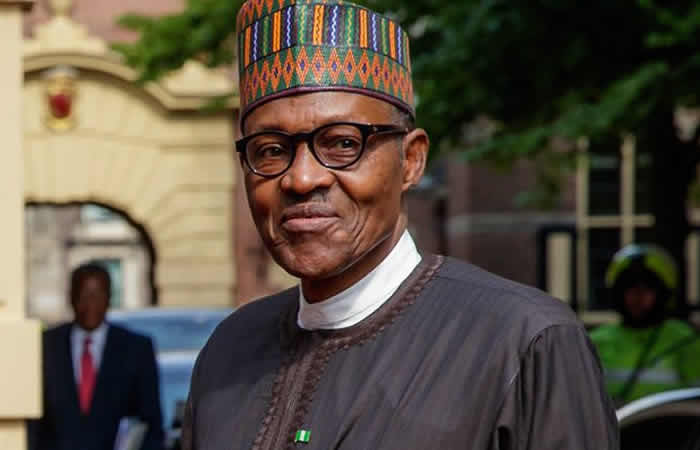
Muhammadu Buhari, born on December 17, 1942, in Daura, Katsina State, was a towering figure in Nigerian politics, serving as both a military head of state and a democratically elected president. His life was marked by a commitment to public service, military discipline, and a controversial yet impactful political legacy.
Early Life and Military Career
Buhari grew up in a modest family in northern Nigeria. He joined the Nigerian Army in 1962, rising through the ranks during a turbulent period in the nation’s history. Trained at prestigious institutions like the Nigerian Military Training College and the U.S. Army War College, Buhari became a key figure in Nigeria’s military establishment. He played a role in the 1966 counter-coup and served as a commander during the Nigerian Civil War (1967–1970). His military career culminated in his appointment as military governor of the North-Eastern State and later Borno State in the 1970s.
In 1983, Buhari led a military coup that ousted President Shehu Shagari, becoming Nigeria’s head of state. His 20-month regime was known for its “War Against Indiscipline,” a campaign to curb corruption and instill civic responsibility. However, his authoritarian approach, including the detention of political opponents and restrictions on press freedom, drew criticism. His regime was overthrown in a 1985 coup led by Ibrahim Babangida.
Political Comeback and Presidency
After years in relative obscurity, Buhari re-entered politics in the early 2000s, running for president in 2003, 2007, and 2011 under various political platforms. His persistence paid off in 2015 when he won the presidency as the candidate of the All Progressives Congress (APC), defeating incumbent Goodluck Jonathan in a historic election. Buhari’s campaign centred on tackling corruption, improving security, and reviving the economy.
Other News
His presidency (2015–2023) was a mixed bag. Buhari’s administration made strides in infrastructure development, including roads and rail projects, and launched social welfare programs. His anti-corruption drive led to high-profile investigations, though critics argued it was selective. Security challenges, particularly the Boko Haram insurgency, persisted despite some progress, and economic struggles, including a recession, marred his tenure. Buhari’s frequent medical trips to the UK, notably a 104-day leave in 2017, sparked debates about his health and leadership capacity
Legacy and Controversies
Buhari was a polarizing figure. Supporters praised his integrity, discipline, and commitment to Nigeria’s unity, noting his ability to secure 12 million votes consistently in elections. Former Secretary to the Government of the Federation, Boss Mustapha, highlighted Buhari’s focus on institutional governance over flamboyance. Critics, however, pointed to economic hardships, human rights concerns, and unfulfilled promises, with some alleging he favored northern interests.
Personal Life and Final Days
Buhari was married to Aisha Buhari, with whom he had children. Known for his austere lifestyle, he maintained a low profile outside politics. On July 13, 2025, reports indicated he was receiving medical treatment in the UK following a routine check-up, with aides refuting claims of critical illness days before the reported death.
Buhari’s passing at 82 marks the end of an era for Nigeria. His life reflected the complexities of leading a diverse country through military and democratic governance, leaving a legacy that will be debated for years to come.