Follow Us on Google

The Achilles heel of Nigeria’s development has for decades been the scarcity of electricity, and as the utility gets more and more elusive it is, therefore, one issue numerous Nigerians are most frustrated about. That is where we think the proposed bill now working its way through the Senate to ban the sale and use of electric generators seems to have originated. It is entitled, “The Bill for an Act to Prohibit/Ban the Importation and Sale of Generating Sets to Curb the Menace of Environmental (Air) Pollution and to Facilitate the Development of the Power Sector.”
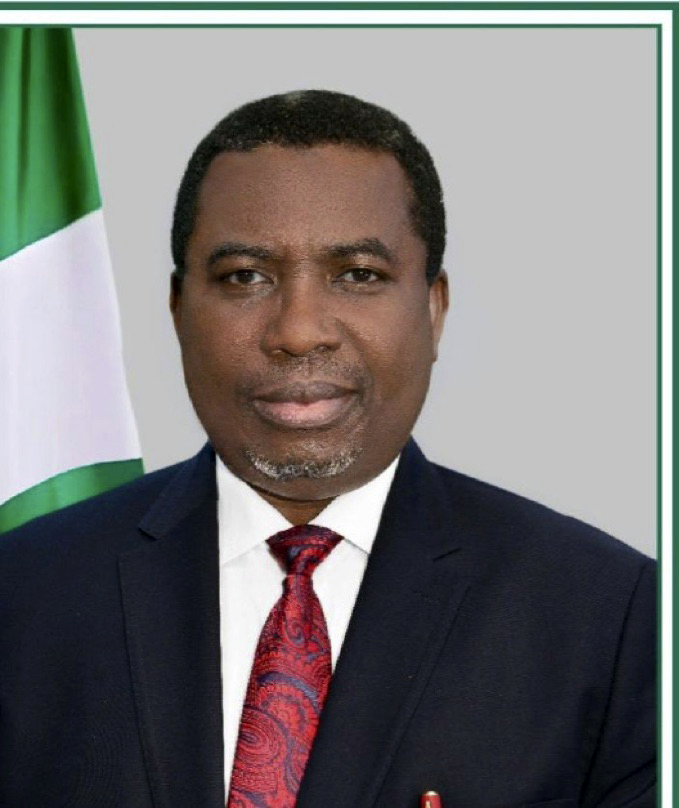
The sponsor is Bima Muhammadu Enagi, a senator representing Niger South, Niger State. He is a member of the ruling party, the All Progressives Congress (APC). The bill provides that anyone who “knowingly” sells generators in Nigeria should be jailed for 10 years. It commands all persons to stop the use of electricity generating sets which run on “diesel/petrol/kerosene of all capacities with immediate effect.”
The bill took many senators by surprise because in November 2019 the Senate peremptorily rejected by a resolution a suggestion by Senator Francis Fadahunsi that a five-year temporary ban should be placed on the importation of generators as a means of fast-tracking the development of our power sector.
There has been light-hearted temptation to laugh the bill out of court. But the sponsor is known to be a serious-minded fellow who holds a degree from the Ahmadu Bello University, Zaria, where he graduated in Quantity Surveying. He spent a while as a consultant before he joined the public service where he eventually retired as a Director of the Central Bank of Nigeria. On March 11, 2020, Enagi’s bill was recorded as ‘Generating sets Prohibition Bill 2020’ and swiftly went through its first reading.
Those who ascribe the fitful nature of our electricity supply to a conspiracy between sellers of generators and power managers are pushing for the conspiracy to end. The connection, real or imagined, between the two sides is as old as the days of yore when the general managers of the then Electricity Corporation of Nigeria (ECN) were, ethically, forbidden from having or using electricity generators. In those days between the 1950s and 1970s, the corporation was noted to have been able to do a lot with so little. The logic was that the electricity utility manager, who directly feels the effect of power failure, a blackout, in his home, is likely to work harder to sustain electricity supply. It was a persuasive argument. It is not clear if the policy was ever gazetted but the testimony of a generation speaks volumes in its defence.
There is little proof that the generator merchants have much to do with the country’s predicament. Yet it pops up all the time that there is a nexus between the men and women who make fortunes out of generators and our literal dependency on generators. How could it be otherwise? The certified electricity demand of the country is put at 25,790 MW. The highest we have generated in recent years was 5,375 MW. The rest is made up from generators. In the middle of 2019, electricity power generation dropped from 4,000 MW to 2, 039 MW. On April 25, 2019 there was total shut-down of Egbin, Omotosho, Olorunsogo, Papalanto power stations, the biggest in the country, There has been a decline in power supply to Nigerian consumers to 37 per cent in 1st quarter of 2019, from 42 per cent in the 4th quarter of 2018. It dropped consistently from 46 per cent in January, 35 per cent in February to 30 per cent in March 2019.
We urge the Senate to ponder on this bill and gently drop it. The bill should propel the chamber to take action to accelerate and harness the various sources of electricity. Banning generators, however it is viewed, looks like an illogical step given that the entire electricity sector necessarily have to use generators in all their activities. Generators are obvious necessities. They are not just convenient gadgets and they are pretty expensive to acquire and run. Generators are often an imposition on families, homes and businesses, leaving them little choice. Another demerit of the draft bill is the draconian nature of its penalty. Besides, it makes no distinction between the owner who purchased his generator 10 years ago and the new purchaser. We support every pressure to get the Discos and the Gencos to sit up. What the country needs is steady, sufficient electricity supply not laws that stretch credulity.