Follow Us on Google
Although Nigeria has no reported case of hantavirus disease, the Nigeria Centre for Disease Control and Prevention (NCDC) has issued a public health advisory on reported cases of hantavirus cluster linked to cruise ship travel involving multiple countries. However, the NCDC said it is monitoring the situation and maintaining high surveillance for emerging infectious diseases. The agency also urged Nigerians to maintain clean environment, store food properly, dispose waste safely and prevent rodent infestation. The public should avoid contact with rodents and maintain optimal infection prevention and control practices in communities and health facilities.
The World Health Organisation (WHO) has confirmed about eight cases, up from seven earlier reported, including three deaths following an outbreak on the Dutch Vessel MV Hondius. Not less than 150 passengers and crew from 28 countries were aboard the vessel. Dozens of the passengers got off on the island of St. Helena on April 24. The luxury cruise commenced its journey on April 1 in Ushuaia, Argentina and was expected to arrive in Spain’s Canary Island on May 10. Other countries whose citizens were in the Vessel include Netherlands, Germany, Switzerland, the United Kingdom, the United States, Canada, Ireland, France, Singapore, and South Africa.
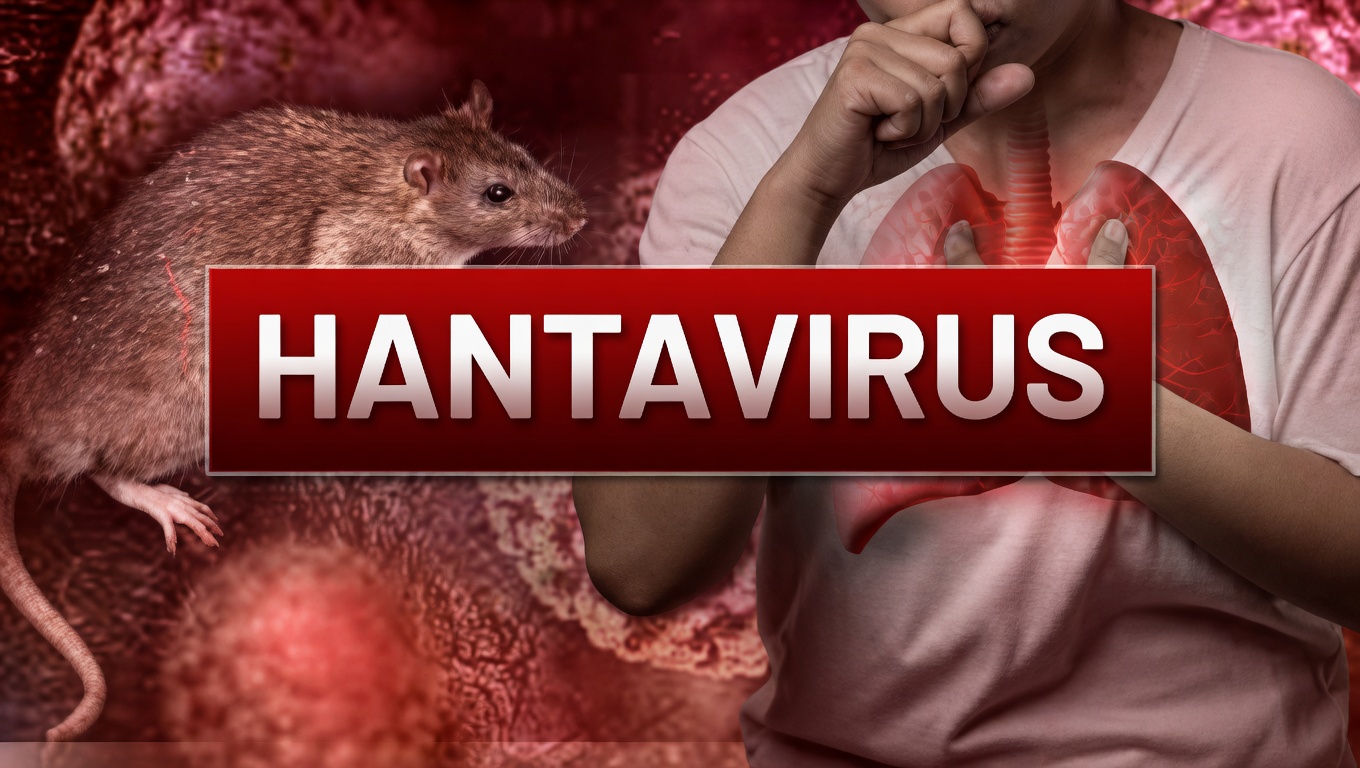
According to experts, hantaviruses are naturally found in rodents. In general, each hantavirus is carried by one rodent species and each rodent that carries a hantavirus carries one hantavirus species. In humans, hantaviruses cause two diseases: hemorrhagic fever with renal syndrome (HFRS) and hantavirus pulmonary syndrome (HPS). While HFRS is mainly caused by hantaviruses in Africa, Asia and Europe, called old world hantaviruses, the HPS is usually caused by hantaviruses in America, called new world hantaviruses.
Available information from the WHO reveals that hantaviruses are a group of viruses carried by rodents that can cause severe disease in humans. People usually get infected through contact with infected rodents or their urine, droppings or saliva. Infection with hantaviruses can cause a range of illnesses, including severe disease and death. In the Americas, hantaviruses can cause hantavirus cardiopulmonary syndrome (HCPS), a severe respiratory illness with a case fatality of up to 50 per cent. Andes virus, found in South America, is a currently known hantavirus for which limited human-to-human transmission among contacts has been documented. In Europe and Asia, hantavirus cause haemorrhagic fever with renal syndrome (HFRS).
Other News
The symptoms of the disease, which begin to occur in humans between one and eight weeks after exposure, include fever, headache, muscle aches and gastrointestinal symptoms, such as abdominal pains, nausea or vomiting. In HCPS, the disease may progress rapidly to cough, shortness of breath, accumulation of fluid in the lungs and shock. Similarly, in HFRS, later stages may include low blood pressure, bleeding disorders and kidney failure.
Reducing contact between people and rodents is key to the prevention of hantavirus. Other effective measures of preventing hantavirus infection include keeping homes and workplaces clean, sealing openings that allow rodents to enter buildings, storing food securely and using safe cleaning practices in areas contaminated by rodents. The rest include avoiding dry sweeping or vacuuming rodent droppings, dampening of contaminated areas before cleaning and strengthening hand hygiene practices.
Although Nigeria has not recorded any case of the hantavirus disease, the nation’s health surveillance system and disease control mechanisms must be reactivated across the country. Our medical laboratory scientists must be on red alert for the onset of the disease in the country. Since the world has become a global village, diseases can travel from one part of the world to another just within hours. Therefore, we must be prepared for the possible outbreak of hantavirus in the country. Apart from keeping rodents away from our living environment and houses, there is need for adequate screening at our airports, sea ports and land borders. Good enough, our health authorities did very well in containing the Ebola disease and the COVID-19 pandemic. We believe that they are ever ready for emerging infectious diseases.
At the same time, we need to increase the observance of non-pharmaceutical interventions in the control of infectious diseases, which include washing of hands with running water and soap, wearing of nose masks, keeping social distance and avoiding crowds. They were religiously observed during Ebola and COVID-19 pandemic. Let there be massive public enlightenment about hantavirus, its causes, preventive measures and treatment options. Let the enlightenment messages be in English, Pidgin and Nigerian major languages of Igbo, Hausa and Yoruba. Anyone manifesting the symptoms of the disease should report to the nearest government health facility for medical attention.