Follow Us on Google
Nigeria’s leading opposition politicians, including the 2023 presidential candidates, Atiku Abubakar and Peter Obi, have accused President Bola Tinubu administration of using anti-graft agencies and security institutions to intimidate political rivals and forcing state governors into the ruling All Progressives Congress (APC). They specifically accused Tinubu of politicising key state institutions, particularly the Economic and Financial Crimes Commission (EFCC), to intimidate and persecute opposition figures in an effort to weaken multi-party democracy. They raised the alarm in a joint statement issued recently. Other signatories to the statement include the National Chairman of African Democratic Congress (ADC), Sen. David Mark, former National Chairman of APC, Chief John Odigie-Oyegun, ex-Minister of State for Defence, Mallam Lawal Batagawara and erstwhile Deputy National Chairman of the Peoples Democratic Party (PDP), Chief Bode George.
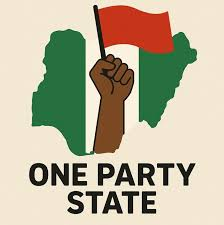
They alleged that recent defections of governors from opposition parties to the APC were driven by political pressure exerted through anti-corruption probes, rather than ideological convictions. The opposition warned that Nigeria was drifting towards a de facto one-party state through coercion rather than electoral competition.
“We are compelled by duty to nation and conscience to issue this statement to alert our compatriots and the international community to the unfortunate and gradual slide of our country into a state where key national institutions—particularly the Economic and Financial Crimes Commission (EFCC); the Nigeria Police; the Independent Corrupt Practices and Other Related Offences Commission (ICPC) are increasingly perceived as tools of political intimidation, selective justice and systematic persecution of opposition leaders,” they stated. The opposition leaders equally pointed out that
“across our nation, there are mounting concerns that state power is being deployed not for prevention of economic crimes, but for persecution of perceived political adversaries, with the ultimate aim of weakening opposition voices and dismantling Nigeria’s multiparty democracy.” In its reaction, the presidency described the members of the opposition political parties as failed politicians, accusing them of singing a familiar tune.
We recall that Atiku Abubakar had earlier warned against the creeping one-party state during the anniversary of the June 12 Democracy Day. He accused the ruling party and the government of silencing the opposition. At the same time, Peter Obi had equally raised the alarm, warning on the dangers of one-party state.
Other News
The gale of defections by politicians from the opposition political parties to the ruling APC, justifies the fear over one-party state. The defections are more with politicians from the PDP, Labour Party (LP) and New Nigerian Peoples Party (NNPP). Among the initial defectors were Delta State governor, Sheriff Oborevwori, his predecessor, Senator Ifeanyi Okowa, and other elected officials of the state, who moved from the PDP to APC. Akwa Ibom state governor, Umo Eno, also defected to the ruling party. Others included Peter Mbah (Enugu), Douye Diri (Bayelsa), Siminalayi Fubara (Rivers), and Caleb Mutfwang (Plateau). Agbu Kefas (Taraba) and Ahmadu Fintiri (Adamawa) would soon join the APC, while Ademola Adeleke (Osun) left PDP for Accord Party (AP).
Defections have occurred at the National Assembly too. The development has increased the APC numerical strength in the Red Chamber at the expense of the opposition political parties. At the commencement of the 10th Assembly, the Senate’s composition was: APC – 59 seats; PDP – 36; LP – 8; SDP – 2; New Nigeria Peoples Party (NNPP) – 2; All Progressives Grand Alliance (APGA) – 1; and Young Progressives Party (YPP) – 1. However, as at October, APC senators were 75. It is the same disturbing story in the House of Representatives and State Assembly. The trend does not augur well for our nascent democracy.
Democracy thrives in an atmosphere of multi-party system. Democracy without opposition is likely to die. This descent to autocracy should be avoided. The opposition political parties should be allowed to exist. They provide the necessary checks on the ruling party. The ruling party needs the criticisms from the opposition to govern well.
The 1999 Constitution (as amended) and Electoral Act provide for multi-party democracy. One-party system will lead to authoritarianism, which will quicken the collapse of this democracy. Considering the wave of defections to the ruling APC, the drift to one-party state is imminent. President Tinubu and the APC should allay the fears of Nigerians over the looming one-party democracy. The President should be more concerned with the legacy he leaves behind than the seeming agenda of making Nigeria a one-party state. If democracy fails in Nigeria, there will be no hope for Africa and the black world. Tinubu should not fail in this regard.
Those cheering the gradual decent to one-party state do not mean well for the country. Opposition is the oil that lubricates the engine of democracy. The opposition offers the alternative voice on how the system should work. The National Assembly should come up with laws that will prevent elected officials from defecting to another political party. We equally urge the opposition to put its house in order and stop the blame game. Let the politicians play the game according to the rules. We call for politics of conviction, ideology and principles. Moving from one party to another based on flimsy excuses is inimical to the development of our democracy.