Follow Us on Google
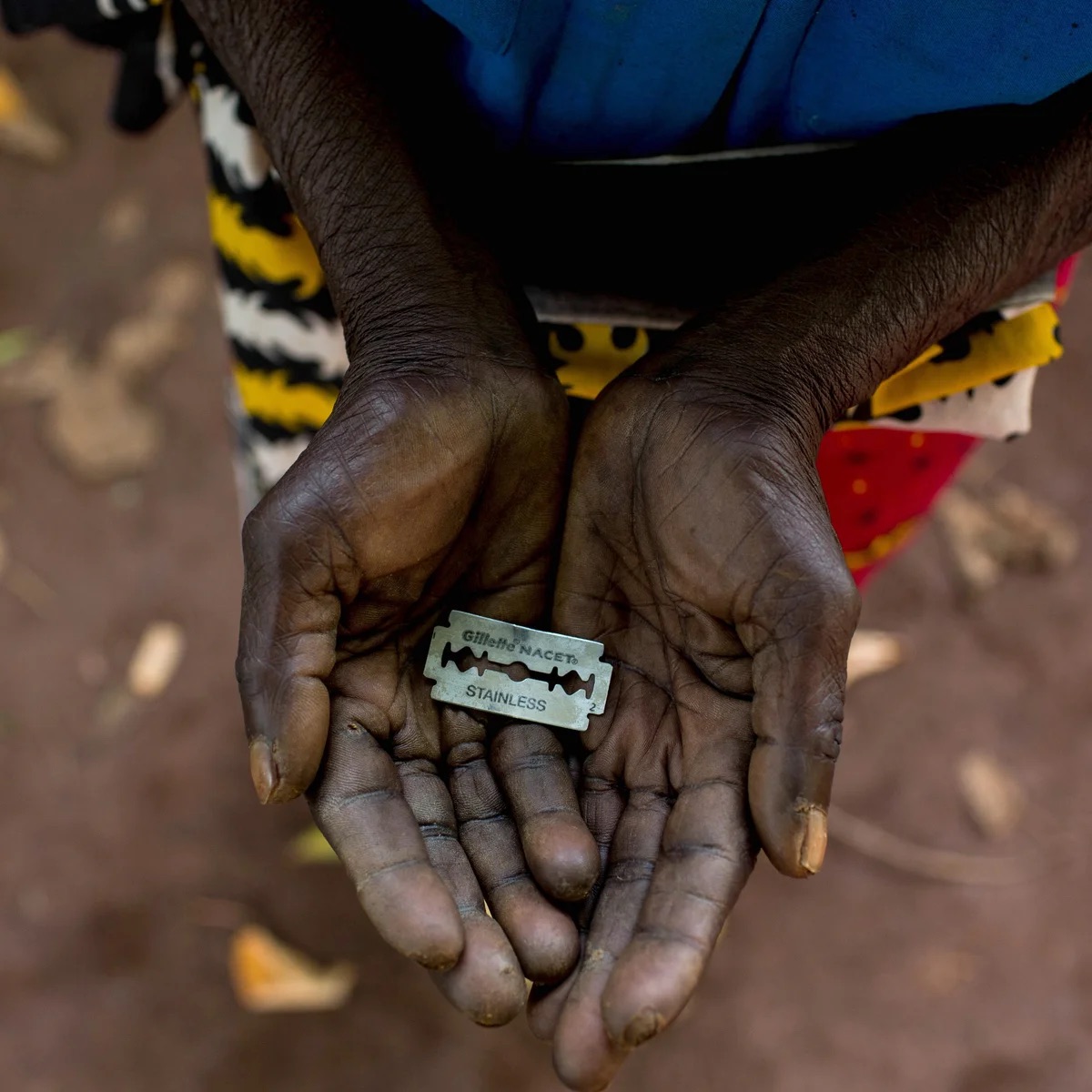
With the rising cases of Female Genital Mutilation (FGM) in Nigeria, there are fears that the country may not meet the 2030 deadline to end the menace. Despite the fact that the practice is outlawed, the United Nations Children’s Fund (UNICEF) says that Nigeria ranks 3rd globally in the prevalence of Female Genital Mutilation (FGM). The Chief of UNICEF Lagos Field Office, Celine Lafoucriere, disclosed this in Benin-City, Edo State, during a two-day media dialogue against the menace. She revealed that about 20 million women and girls had already been subjected to the procedure before their 6th birthday. It seems that the FGM figures in Nigeria will surge if urgent measures are not put in place to check the debilitating cultural practice.
Available facts from the World Health Organisation (WHO) show that more than 230million girls and women alive today have undergone female genital mutilation in 30 countries in Africa, the Middle East and Asia where FGM is practised. The global health body says that FGM is mostly carried on young girls between infancy and age 15; stressing that FGM is a violation of the human rights of girls and women. The treatment of the health complications of FGM is estimated to cost the health systems $1.4billion per year. This number is expected to rise unless urgent action is taken towards its abandonment.
The World Health Organisation (WHO) defined FGM as all procedures which involve partial or total removal of the external female genitalia and/or injury to the female genital organs, whether for cultural or any other non-therapeutic reasons. FGM is practised in over 28 countries in Africa and a few communities worldwide. Somalia, Djibouti, Nigeria, Egypt, Mali, Eritrea, Sudan, Central African Republic, and Ghana account for majority of the victims. Of the over 230million FGM cases globally, Africa accounts for over 144 million cases, followed by Asia with 80 million cases, and the Middle East with 6 million cases. With an estimated 4 million girls being subjected to FGM every year, it has become inevitable to accelerate efforts to end the harmful practice.
FGM is still being practised in Nigeria because the law prohibiting it is not strictly enforced. Most of the 36 states are not doing much to curb the harmful cultural practice. The Violence Against Persons (Prohibition) Act (VAPP Act) of 2015, created by the Goodluck Jonathan administration was enacted to address FGM. Section 6 of the Act prohibits FGM and provides for penalties for those who perform or aid the practice. Those found guilty of performing FGM may face up to four years in prison, a fine of N200,000 or both. Also, anyone who aids, abets, or incites another person to carry out FGM is subject to the same penalties. Therefore, we call for strict enforcement of this law against FGM.
The National Policy and Plan of Action for the Elimination of Female Genital Mutilation in Nigeria should be strengthened and domesticated by the 36 states.
Nigeria accounts for about one-third of the circumcised women worldwide. The promoters of FGM believe that it is a necessary part of raising a girl, and a way to prepare her for adulthood and marriage. They also believe that it can control her sexuality, and promote premarital virginity and marital fidelity. Unfortunately, FGM does not prevent promiscuity in women and girls. Some of the complications of FGM include severe pain, excessive bleeding, genital tissue swelling, fever, infections, urinary problems, wound healing problems, shock and death.
All tiers of government must wage a relentless war against FGM throughout the country. The officials of the 774 local governments should lead the campaign against female genital mutilation. There is need for nationwide enlightenment campaign against the harmful cultural practice. The public should be made to understand the dangers of FGM and why we must end the practice by 2030. Men and boys should also be involved in the campaign against FGM.
All healthcare workers, especially nurses and midwives, and traditional birth attendants should be part of the campaign to end FGM. We believe that this is the time to dismantle the myths and superstitions fueling the deadly practice. We call on community and religious leaders, nongovernmental organizations, and schools to join the crusade to rid Nigeria of FGM. There is no doubt that Nigeria can end FGM by 2030 if the federal government and other stakeholders work in concert.