Follow Us on Google

By Kate Halim
Getting older comes with some health challenges. While people in their 40s and beyond still have the energy to go through the everyday hustle and bustle of life, that doesn’t mean their health should go unmonitored.
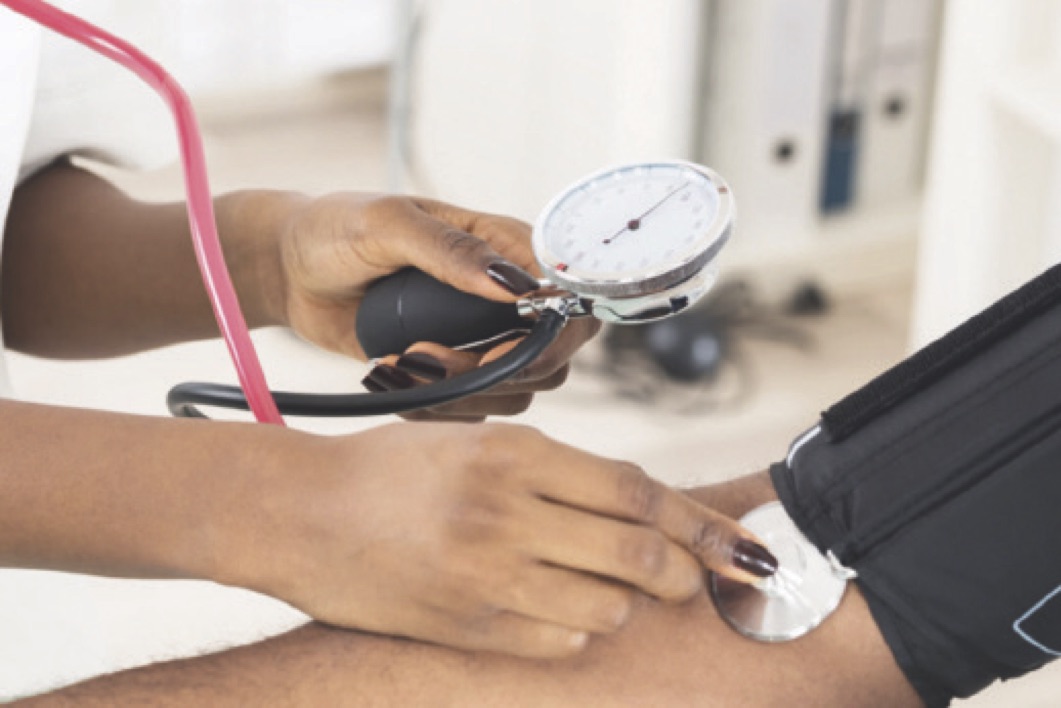
Healthcare professionals recommend a specific set of tests that should be performed on a regular basis once you have reached 40 and above, and often call it the “over 40s health check.” These recommendations for health screenings at a certain age come from many groups of health experts and they are important for maintaining overall health and wellness.
Dr Henry Etim who spoke to Saturday Sun said that as one ages, these health checks must be carried out regularly because they will impact one’s likelihood of living a long, healthy life.
Why you need a checkup in your 40s
Etim noted that as life gets busy, stress increases, which leads to poor quality sleep, which can cause a domino effect of low energy and hormone changes, among other things.
He stated that depression and other mood changes are also important to be on the lookout for, with women experiencing higher rates of depression than men. He added that depression is linked to worsening health, and can even increase the risk of heart disease in both men and women. “In addition, the quick metabolism of your 20s and 30s may be starting to slow, and this can cause concern for both weight gain and type 2 diabetes. This can be exacerbated by high cholesterol or triglycerides”, he said.
Etim noted that it is important for men and women to get annual health screenings so as to enjoy better health as they age. “For men and women in their 40s, it’s all about prevention, and that starts with having a regular exam. A yearly exam allows your doctor to identify imbalances, evaluate them thoroughly, and provide early treatment if necessary,” he added.
For example, he stated that identifying high triglycerides in a 40-year-old man allows for diet and lifestyle changes to avoid increasing the risk of a serious heart condition later down the road.
“Your doctor will assess your physical health, lifestyle and diet, and may do lab work which could include blood or urine tests, and additional screenings based on your family history.”
He stated that an annual checkup would typically involve weight checks, cholesterol tests, blood pressure screening, skin cancer screening, family history screening, Diabetes risk factor evaluation, depression screening, and cancer screening.
Etim said: “Blood work may be done annually and might include complete blood count (CBC), HDL and LDL cholesterol, Triglycerides, basic or complete metabolic panel, thyroid panel, fasting insulin, fasting glucose, as well as liver function tests. Screenings for women include Pap smear/cervical cancer screening and breast exam. You can perform a breast self-exam at home as well. Screenings for men include testicular exams and prostate exams, if there is a family history present.”
Listed below are 10 health screenings men and women need in their 40s
One: Establish a baseline with your doctor
Your doctor will take care to thoroughly evaluate your concerns, provide a detailed exam and patient history and will likely prioritize giving you more time during your appointment. In your 40s, prevention is key. Establishing a relationship with your primary doctor is one more tool to help you prevent serious illness from developing, and intervene early should anything troubling appear.
Two: Screen for depression and evaluate mental health
Nearly 20 per cent of adults aged 40 struggle with depression at some point. Depression increases the risk for people in their 40s for problems like heart attack and stroke, as well as chronic issues like obesity, heart disease, and others. Your doctor should be concerned about your mental and emotional health in the same way he or she will evaluate your physical health. This may include a series of screening questions, functional intervention options from Eastern medicine or holistic healing.
Three: Blood pressure and cholesterol
There’s a reason high blood pressure, or hypertension is referred to as the silent killer–because you’ll usually experience no side effects while it quietly impacts your risk of stroke and heart attacks. Your doctor will test your blood pressure as well as your cholesterol. He or she will screen for HDL, and LDL, and measure your triglycerides. Then, they will work with you to make lifestyle modifications to your diet and exercise routine, and if necessary, refer you to nutrition counselling, a health coach, or mental health counsellor.
Four: Hormone function
Both men and women experience hormone changes in middle age. The demands of daily life, like stress, poor sleep, weight gain, and a sedentary life can wreak havoc on testosterone and other hormones like estrogen and progesterone. Perimenopause is also on the horizon for most women in their 40s, and it’s important to discuss options like hormone replacement therapy and the risks that accompany menopause and perimenopause.
While symptoms like fatigue, low libido, and weight gain are common, they certainly aren’t normal, and your doctor will monitor your hormones and make adjustments with you to get them back into a healthy range.
Five: Pre-diabetes, insulin and glucose test
If your blood sugar has slowly crept upward over the years, you are not alone. Lack of diet, sedentary lifestyle, and increased stress can cause more weight gain, especially around the abdomen, which puts you at increased risk for diabetes and pre-diabetes. Your doctor can test your fasting insulin, glucose, and HbA1c to evaluate your blood sugar levels and your risk of diabetes.
Six: Breast cancer and other cancers
While the development of cancers in your 40s may be rare, it’s important you go for screenings based on your family history and risk factors in middle age. Men should discuss screening for prostate cancer with their doctors, as well as colorectal cancer, which also occurs in women, though men are at increased risk based on family history and age. Starting at age 45, women should be screened for breast cancer annually. For early-warning cancer screening, a thermogram is a great and non-invasive way to detect the early development of cancer. Thermography is a safe, comfortable, and effective way to detect early warning signs of cancer and other health risks years before they show up on other tests. This medically approved method uses cutting-edge cameras to monitor circulation, neurological function, and inflammation due to slight increases in body temperature as a result of increased blood flow to areas of the body.
Six: Sleep
It is important to sleep more if you want to improve your physical, mental, and immune health. Research shows that a majority of adults sleep an average of less than six hours per night. Poor quality sleep is associated with an increased risk of diabetes, high blood pressure, weight gain, and heart attack–and not surprisingly, a greater risk of mortality.
Eight: Nutrition and exercise
Your long-term health is largely determined by the small, consistent choices you make on a daily basis, and that includes the quality of your diet, your movement, and your overall well-being. Optimizing your diet and exercise is key to improving and maintaining your overall health in your 40s. Because there is no one-size-fits-all diet for any one person, your nutritionist will work with you to individualize the right diet plan for your lifestyle and health.
Nine: Skin cancer
It’s never too early to be proactive about skin cancer. At your annual screening, your doctor will likely do a brief check-up of any suspicious-looking moles, freckles, or other skin changes that could turn cancerous.
Skin cancer is very treatable if caught early, but it’s crucial that your doctor has the ability to intervene early. In the meantime, wear sunscreen, and protective clothing, and get your vitamin D through responsible sun exposure.
Ten: Sexual health
If necessary, or upon request, your doctor will perform any tests for STIs, and for men, perform a testicular exam to check for any abnormalities. This helps screen for testicular cancer, as well as prostate cancer or other worries. Erectile dysfunction is a growing problem among young men, exacerbated by sedentary lifestyles, a poor diet and stress that can impact libido, sperm health, and testosterone production. Your doctor will assess your sexual health and provide interventions if necessary to maintain the health of your libido and sexual function.
For women, your doctor will perform pap smears or checks for cervical cancer or other concerns. Ovarian cancer often shows few symptoms until the late stages, so your doctor will talk about any pain or abnormalities with your cycle that could indicate ovarian issues.
Benefits of getting annual medical checkups
Health screenings are based on you and are an opportunity to take control of your own health and wellness. Wellness checkups in your 40s are all about prevention and early detection and can help you optimize your physical, mental, hormonal, and emotional health through holistic interventions that put you back in the driver’s seat of your health.