Follow Us on Google
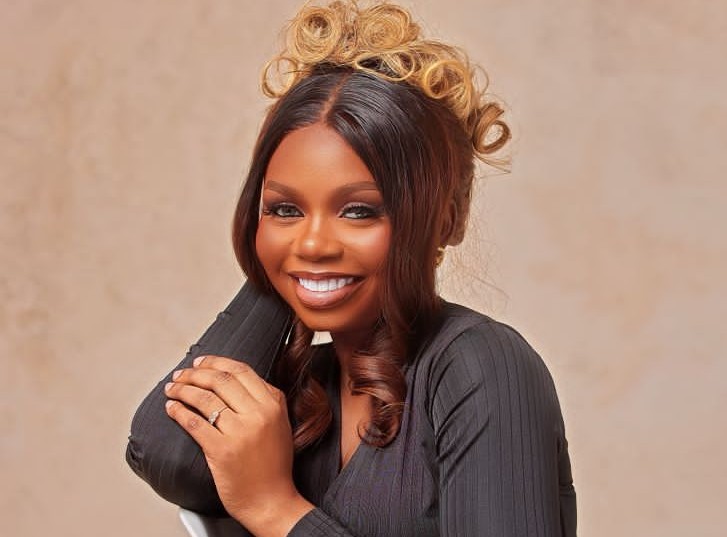
By Omolola Akinboade
When people hear “vocational training,” they often imagine something small, something basic, something less serious than university education. But the truth is, skill-based learning has quietly become one of the most powerful tools for transformation across Africa.
It’s not just teaching people to make or do things; it’s teaching them to build their own independence. And nowhere is that transformation more visible than in the beauty industry.
When I started LEH Academy, it wasn’t because I wanted to add “trainer” to my title. It was because I saw a gap, a generation of young women with creativity, passion, and drive, but with very little structure or guidance. Many of them were talented, but talent without direction can easily fade. I knew that if we could create a space where skill met structure, we could change lives.
In our first class, I realized something I’ve never forgotten: many women don’t just need training; they need belief. They need someone to look them in the eye and tell them that what they do with their hands is valuable. They need to be taught professionalism, pricing, communication, and confidence, not just how to make wigs or style hair. The goal isn’t to make them busy, it’s to make them builders.
The world often underestimates the creative economy, but beauty alone employs millions of women globally. Every stylist, makeup artist, or nail technician is part of an industry that generates identity and income. Yet, too many African women still enter it by accident rather than through intention. That’s why creative vocational training is no longer optional, it’s the future.
At LEH Academy, I’ve seen transformation that goes far beyond skill. I’ve watched women walk into a class uncertain, shy, and afraid of failing, and walk out confident, ready to start their own businesses. Some of them go on to open studios. Some become trainers themselves. Others start online stores. What connects them all is that they now have options. And options are power.
Teaching beauty is about more than curls and colors — it’s about courage. It’s giving women the knowledge to sustain themselves and the dignity that comes with earning from what they love. It’s about reshaping the narrative that skill work is inferior to formal education. In today’s world, creativity is not a backup plan; it’s a blueprint for survival.
Other News
But for vocational training to truly thrive, it must evolve. We need structured curriculums, accredited programs, and proper funding. We need to teach digital skills, customer relations, and entrepreneurship alongside technical skills. We must help our trainees understand branding, pricing, and financial management. Because the future of the beauty industry belongs to the professional, not just the passionate.
I believe governments, investors, and private institutions should start paying more attention to creative education. It’s a quiet revolution waiting to happen. For every woman you train, you impact a family, a community, and an economy. When you teach one woman a skill, you give her something that can never be taken away.
I often say that the most beautiful thing I’ve built isn’t just LolaExpress Hair, it’s LEH Empowerment. Watching a woman who once doubted herself stand tall and start teaching others reminds me that the real purpose of success is multiplication. The more we teach, the stronger we all become.
In a few years, I want to see vocational schools across Africa run like international institutions, respected, organized, and scalable. I want parents to proudly say, “My daughter is in beauty school,” the same way they would say she’s in university. Because excellence doesn’t depend on a title; it depends on intention.
Teaching beauty is teaching value. It’s teaching women that their creativity has currency and that their dreams have weight. It’s a revolution led by brushes, combs, and courage, and it’s already changing the continent, one skill at a time.
Omolola Akinboade is the Founder and Creative Lead of LolaExpress Hair, a leading African luxury hair brand redefining beauty through craftsmanship, innovation, and empowerment.
She also leads LEH Academy and LEH Empowerment, initiatives training and supporting women across Africa to build sustainable careers in the beauty industry.