Follow Us on Google

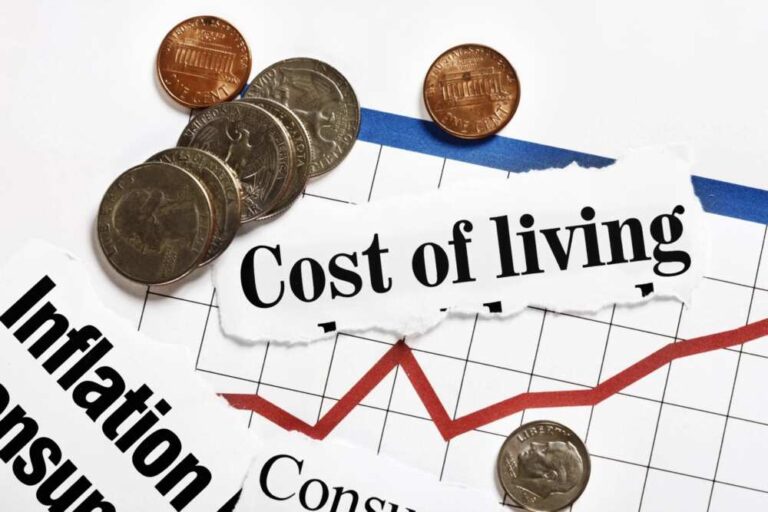
Nigeria’s headline inflation for the month of July 2022 surged to 19.64 per cent, the highest in almost 17 years. This is a clear indication that the economy is sinking, and needs comprehensive monetary, fiscal and other macroeconomic measures to rein it in. So far, the inflation rate appears to have defied monetary tightening measures already initiated by the Central Bank of Nigeria (CBN). Giving a breakdown of the inflation figures last week, the Statistician-General of the Federation and CEO of the National Bureau of Statistics(NBS), Prince Semiu Adeniran, said the Consumer Price Index (CPI), which measures changes in price level, showed that the July inflation figure was higher than the 18.60 per cent recorded in June 2022.
The 19.64 per cent inflation rate is 2.27 per cent points higher than the rate recorded in July 2021, which was 17.38 per cent. The last time Nigeria recorded a higher inflation rate than that of July 2022, was in September 2005, when headline inflation was 24.3 per cent.
According to the NBS data, the subsidy burden, and the high cost of bread, cereals, wheat, milk and egg pushed up the inflation rate. The July inflation rate has surpassed the CBN single digit target of between six and nine per cent. The World Bank has projected 15.5 per cent; Bloomberg estimated 19.4 per cent for Nigeria year- on-year. Also, the July inflationary pressures came at a time of government’s dwindling revenue, caused by its inability to meet its OPEC quota as a result of the activities of oil thieves and vandals.
The NBS report also revealed that on a year-on-year basis, urban inflation rate was 20.09 per cent compared to 18.01 per cent in July 2021. Rural inflation rate was19.22 per cent compared to 16.75 per cent in July 2021.
Similarly, the food inflation rate in July 2022 was 22.02 per cent year-on-year compared to 21.03 per cent in the corresponding period of 2021. The Statistician-General further stated that the rise in inflation was fueled by an increase in the cost of transportation. The looming food crisis is likely to worsen the hunger situation in the country. Last month, the Monetary Policy Committee (MPC) increased the interest rate by 100 basis points to 14 per cent, the highest in recent years. It had previously broken a two-year mark by increasing the Monetary Policy Rate (MPR) by the same degree, yet inflation continues to surge.
Let the government map out measures that will address inflationary pressures and stimulate growth. Last year, the World Bank warned that the inability of the country to rein in inflation could push no fewer than seven million more Nigerians into poverty. A World Bank report also claimed that about 25 million Nigerians did not eat for a day in 2020. About 100 million Nigerians are believed to be in extreme poverty. The government has not been able to fulfill its promise to lift 10 million Nigerians out of poverty annually.
We believe that inflation rate will continue to rise as long as the government fails to address the factors pushing it. These factors are the over-dependence on imports, the rising cost of goods and services, and the depreciation of the naira. Others include the high interest rates, foreign exchange scarcity and insecurity.
The government should fix the refineries and curb the over-dependence on imported petroleum products. The quality of our exports must be enhanced. Currently, Nigeria’s food imports gulp $12billion or 18.04 per cent of our total imports estimated at $68 billion annually. On its part, the CBN should stabilise the exchange rate of the naira, while government improves the tax system.
At 19.64 percent inflation rate, Nigerians will pay more on food, house rent, electricity tariff, health care, clothing, transportation and others. Last year when the average inflation rate was 17 per cent, NBS report on expenditure and income GDP showed that Nigerians spent N54.84trillion on household consumption in the first half(H1) of 2021, compared to the N48.22trillion spent in H1’2021. Above all, let the government address the factors fueling the raging inflation.