Follow Us on Google

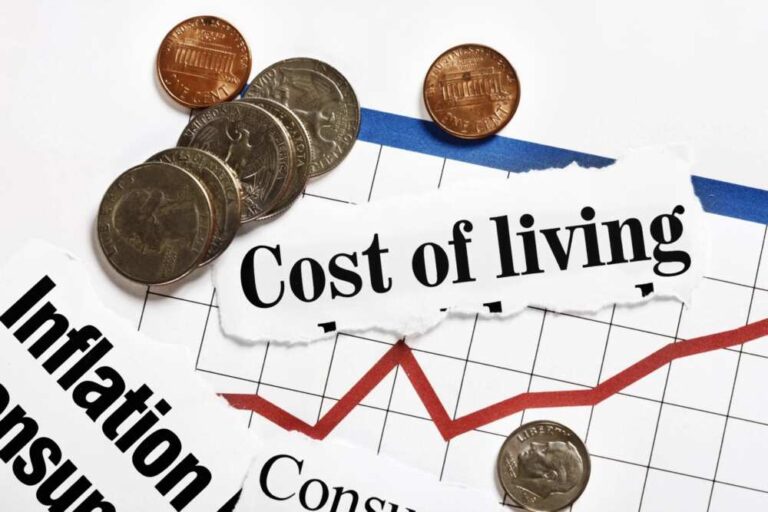
Despite conflicting reports about the purported resolution by the Nigerian Electricity Regulatory Commission (NERC) directing the electricity Distribution Companies (Discos) to raise their tariffs, with effect from September 1, 2021, we advise that the planned hike should be suspended forthwith. The timing is inauspicious in view of the soaring cost of living in the country.
There was a seeming confusion last week following a document allegedly released by one of the Discos, Eko Distribution Company, Lagos, claiming that the power regulator (NERC) had approved a hike in electricity tariff depend- ing on the class of the consumer. How- ever, the management of the Eko Disco later denied the statement, saying it was issued in “error,” and asked the public to disregard it. Nevertheless, electricity consumers are not amused by the conflicting statements concerning tariff hike. The double speak is quite disconcerting. The silence of the regulator on the matter has also put electricity consumers on edge. The NERC had last year, under what it called the Service Based Tariff (SBT) programme, designed an incremental tariff with an upward review due this September.
The President of the Nigerian Labour Congress (NLC), Ayuba Wabba, has warned the Federal Government not to go ahead with the planned hike, and has threatened to call out its members for a nationwide industrial action. Since there is an ongoing discussion with government and labour, the right thing to do is to suspend the planned hike until the discussion is concluded. Moreover, previous hike had not translated into steady power supply in the country. Hike in electricity tariff will definitely affect prices of other goods and services and will further impoverish millions of Nigerians already affected by poverty and unemployment.
Therefore, any plan to increase electricity tariff must start with the sector improving its performance. Asking consumers to pay more money for abysmal service delivery is not convincing. Beyond that, statistics show that more than six million electricity consumers are still unmetered, meaning that they are still paying for electricity through ‘crazy’ or estimated billing system. This is despite various metering schemes initiated by government since the sector was privatised in November 2013. The reasons adduced by NERC are not enough to warrant any increase in tariff. We reiterate that the present purchasing power of Nigerian workers does not favour any fresh increase in electricity tariff.
The economy is still struggling to recover. There is spiraling inflation, unemployment and fresh concerns about resurgence of the COVID-19 pandemic. These factors are crucial, especially for a product of high social significance like electricity. Any attempt to raise tariff at this period will be resisted. It could lead to civil unrest with unimaginable consequences. The fragile security situation in the country is enough for government and its agencies to avoid taking any decision that is capable of precipitating violent demonstration. Frequent hike in electricity tariff and fuel pump price are such nervy matters.
The regulatory agency and the Discos must consider the plight of Nigerians before contemplating any tariff increase. It is disheartening that NERC has not done much to protect electricity consumers. The Discos have also failed to deliver efficient services under the service-based tariff regime. The present move to hike electricity tariff is uni- lateral as the commission did not consult the relevant stakeholders as enshrined in the Electric Power Sector Reform Act before doing so.
Although the federal and state governments are facing shortage of funds, that should not be an excuse to unduly tax the masses through frequent electricity tariff raise. It is worrisome that the power sector is not efficiently regulated many years after privatisation. It appears some of the new owners are not willing to deliver quality services to the consumers. That is why the government had doled out funds to keep them afloat. For instance, between September and December 2020, electricity tariff was increased twice. On November 1, 2020, Discos commenced the implementation of the revised electricity tariff that was jointly agreed upon by organised labour and the government. We call for a strategic approach to electricity pricing to avoid a possible pushback from the consumers. We say this because the economy cannot afford another round of avoidable strike. While we are not against a cost-reflective tariff regime for electricity, there is need for a transition to the new pricing regime that would be gradual to minimise shock and risk of resistance by consumers. Even if the reasons for the increase may make sense from the profit perspective, it has equally become imperative for the government and the NERC/ Discos to also consider the social effects of any tariff hike. Since many Nigerians are already weighed down by many socioeconomic challenges, they should not be pushed further down the economic ladder with high electricity tariff. More consultations and negotiations are necessary to work out more affordable ways to meet the power needs of the country instead of the frequent resort to tariff hike.