Follow Us on Google
From Adesuwa Tsan, Abuja
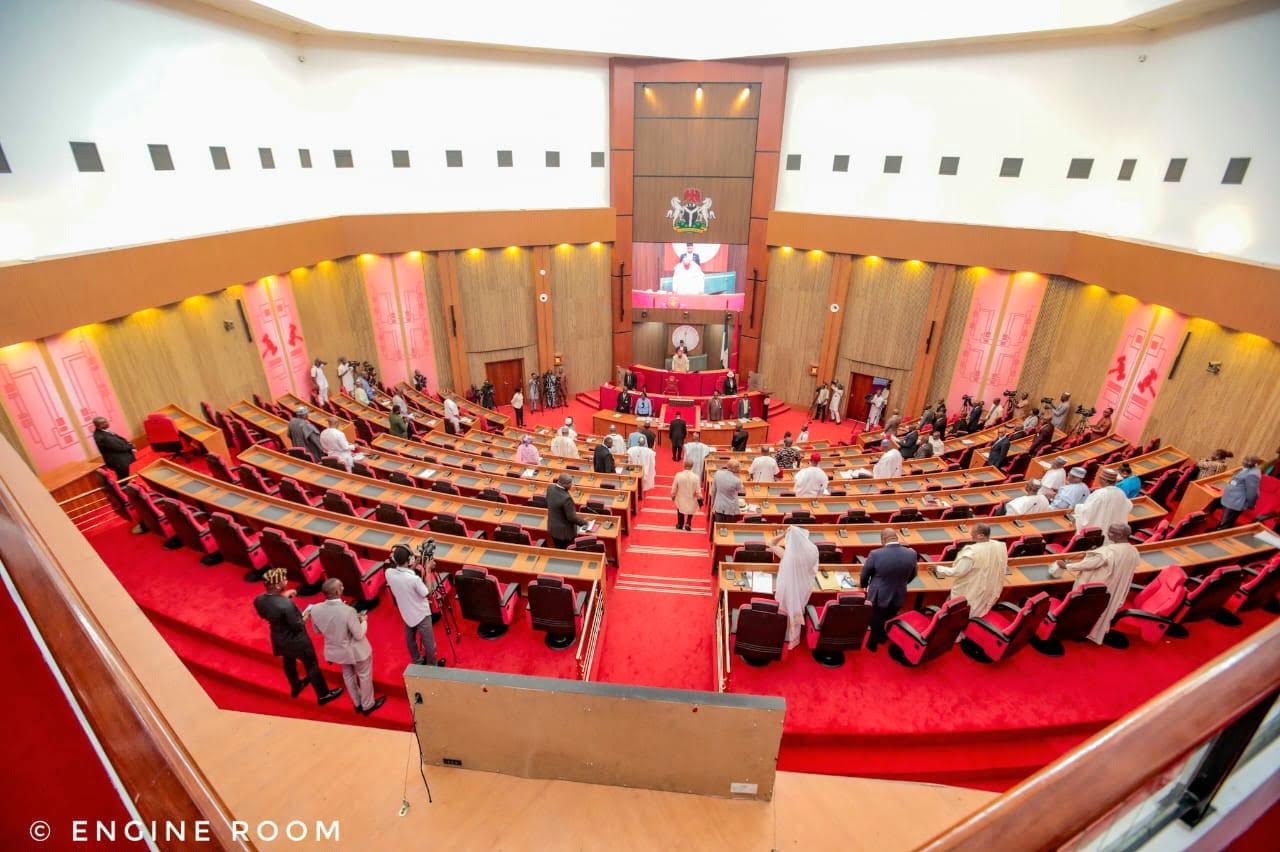
The Senate has declared that government-owned enterprises (GOEs) and Ministries, Departments and Agencies (MDAs) that deliberately refuse to honour its invitations or obstruct the constitutional oversight functions of the National Assembly would face sanctions and enforcement measures under the Constitution, the Legislative Houses (Powers and Privileges) Act and the Senate Standing Orders.
The resolution followed the adoption of a motion sponsored by the chairman of the Senate Committee on Finance, Sani Musa, who accused several revenue-generating agencies of frustrating legislative oversight by repeatedly refusing to appear before the committee or submit requested financial records.
The Senate also directed all MDAs and GOEs to honour invitations by it and its committees, appear whenever required and provide all documents, records and information needed for legislative oversight.
It further mandated the Clerk of the National Assembly to communicate the resolution to all affected agencies for immediate compliance and called on the Secretary to the Government of the Federation, the Head of the Civil Service of the Federation and all ministers to ensure agencies under their supervision comply with Senate invitations and summonses.
Leading the debate, Musa noted that the National Assembly is empowered to conduct investigations into the administration or expenditure of monies appropriated or to be appropriated by the National Assembly for the purpose of enabling it to make laws, expose corruption, inefficiency or waste in the execution or administration of laws, and ensure accountability in the management of public funds. He also noted that Order 97 of the Senate Standing Orders, 2023, as amended, empowers standing committees of the Senate to exercise oversight over ministries, departments and agencies (MDAs) and government-owned enterprises (GOEs) within their respective jurisdictions, in furtherance of the constitutional mandate of the Senate.
Going further, he added that the Senate Committee on Finance, pursuant to its constitutional and statutory responsibilities, periodically conducts investigative hearings and oversight engagements on the financial operations of government-owned enterprises and ministries, departments and agencies, particularly with regard to internally generated revenue collections, stamp duties where applicable, operating surpluses and losses, statutory remittances into the Consolidated Revenue Fund and compliance with the Fiscal Responsibility Act, 2007, the Finance Act, 2020, the Finance Act, 2021, the Finance Act, 2022, and other extant financial laws and regulations.
Musa expressed concern that, despite duly issued invitations and notices, several government-owned enterprises and ministries, departments and agencies have persistently failed, neglected or outrightly refused to honour invitations extended by the Senate Committee on Finance to appear before it in the exercise of its oversight functions.
The lawmaker lamented that these defiant actions persist notwithstanding the clear constitutional and statutory obligations of such entities to appear before the Committee or furnish the information requested.
Other News
“In blatant disregard of the oversight powers vested in the National Assembly by the Constitution, such persistent non-compliance constitutes a direct affront to the constitutional authority of the Senate, undermines the doctrine of separation of powers and checks and balances, weakens legislative oversight, and impedes transparency and accountability in the management of public resources,” he stated.
He observed that if this trend is not decisively addressed, it may encourage institutional impunity, frustrate the effective discharge of the oversight responsibilities of the National Assembly, diminish public confidence in democratic governance, and adversely affect the prudent management of the nation’s finances.
In their contributions, lawmakers affirmed the constitutional powers of the National Assembly under Sections 88 and 89 of the Constitution of the Federal Republic of Nigeria, 1999, as amended, to conduct investigations and exercise oversight over the finances and administration of all government-owned enterprises, ministries, departments and agencies, and every public institution established by law.
The Senate, thereafter, resolved to direct all government-owned enterprises, ministries, departments and agencies to honour invitations issued by the Senate and its committees, appear before them as and when required, and provide all documents, records and information necessary for the effective discharge of their constitutional oversight responsibilities.
It further resolved that any government-owned enterprise or ministry, department or agency that deliberately refuses or fails to honour invitations of the Senate or obstructs the exercise of the constitutional oversight functions of the National Assembly shall be subjected to the appropriate sanctions and enforcement measures provided under the Constitution of the Federal Republic of Nigeria, 1999, as amended, the Legislative Houses (Powers and Privileges) Act, and the Standing Orders of the Senate.
Musa raised a motion during plenary, informing that several MDAs were refusing to honour the invitation of its Finance Committee investigating their internally generated revenue, stamp duty collections, operating surpluses, statutory remittances into the Consolidated Revenue Fund (CRF) and compliance with the Fiscal Responsibility Act and the Finance Acts.
He said despite repeated invitations, many agencies had either ignored the committee or claimed they were under no obligation to appear before it.
According to him, such actions undermine the constitutional oversight powers of the National Assembly, weaken fiscal accountability and transparency in the management of public resources and erode the doctrine of checks and balances.