Follow Us on Google
…Buy expensive fuel, meet roads with few passengers
By Olakunle Olafioye
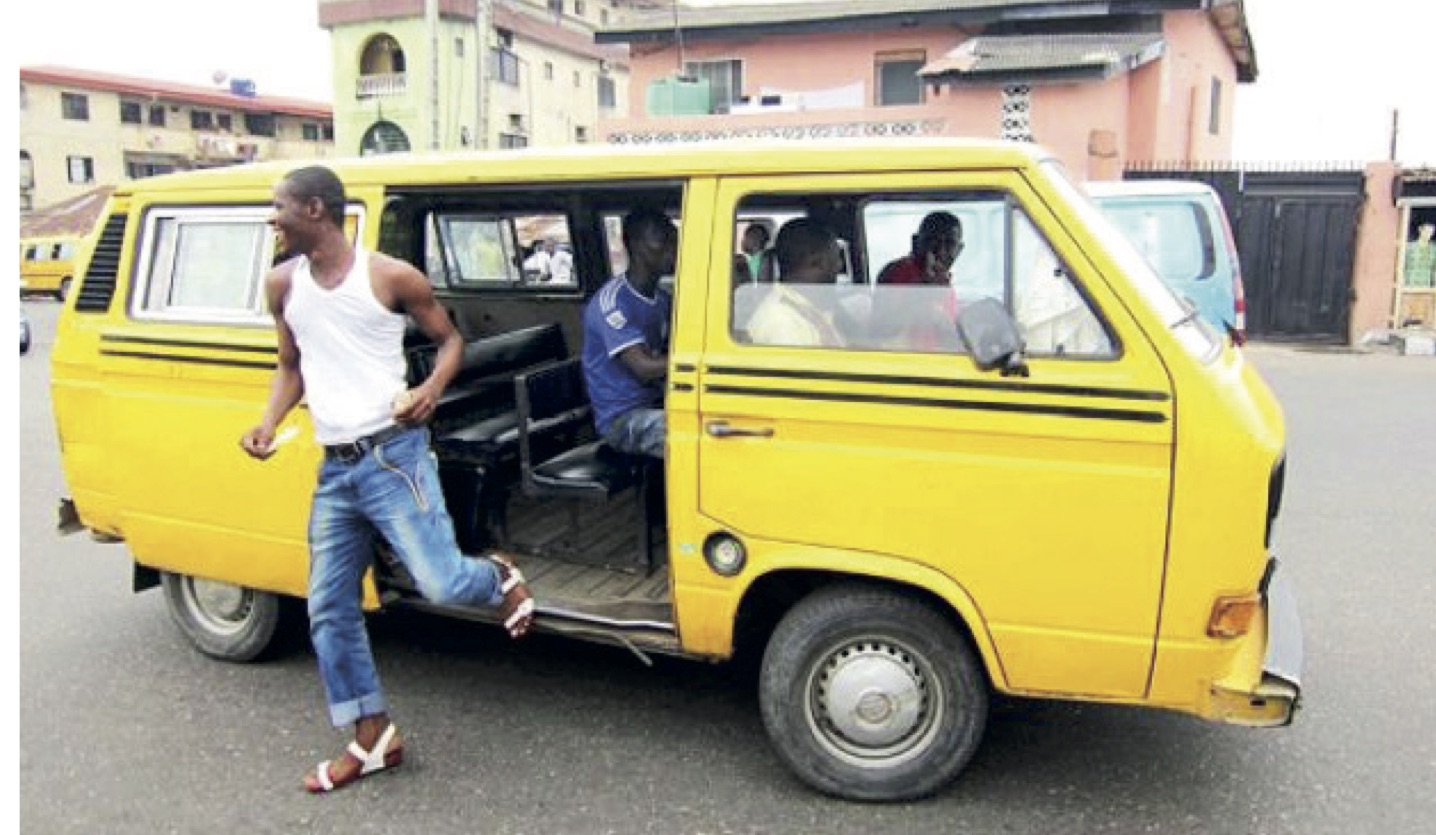
Long queues of empty buses, idle bus drivers; some dozing off behind the wheels, as well as bus conductors with hoarse voices arising from prolonged touting on prospective commuters are some of the features at most motor parks across Lagos and other major cities in the country in the last few weeks.
“It has never been this bad,” an obviously exhausted bus conductor responded, perhaps unwittingly, to a baited question by this reporter on why the usual rush of passengers at motor parks are fast vanishing.
He was quick to blame the increase in transport fares occasioned by the decision of the new administration to end the subsidy on Premium Motor Spirit (PMS) otherwise known as petrol.
Hours after President Bola Ahmed Tinubu announced the removal of fuel subsidy during his inaugural speech on May 29, petrol stations across the country raised their price per litre of fuel by over 100 per cent to reflect the new ex-depot price regime.
Consequently, transporters also jacked up their fares exorbitantly, pushing the entire burden of the new increment in pump price to the commuters.
But the party would not last for the shylock transporters, who had dreamt of cashing in on the situation as most commuters refrained from the roads afterward, leaving most transporters disappointed.
Findings by Sunday Sun showed that most people now plan their movements just as most business organisations are coming up with new arrangements on how to cushion the effect of high cost of transportation on their businesses and staff.
Mr Azeez Olayinka, manager of Azol Poly, Ota, Ogun State, told Sunday Sun that his firm decided to put in place arrangements to accommodate some of the members of staff in order to mitigate the effect of the hardship occasioned by the removal of subsidy on PMS.
“Some of our workers who are living far away from the factory now have temporary shelter where they can stay from Mondays to Fridays. So, they don’t have to go home every day. There are some of them that go home every other day to see their families, but the majority of them prefer to come on Mondays and go back home for the weekends. We are of the opinion that this arrangement will go a long way in reducing their expenses on transportations,” he enthused.
Some organisations, findings also revealed, are resorting to the practice of allowing some of their workers to operate from home as it was practiced during the COVID-19 pandemic era.
The move is to reduce the burden of having to spend all their income on transportation. The implication of these moves has been so telling on the transportation sector with operators claiming they are expressing sharp decline in their daily earnings.
Mr Abdullahi Muli who owns and operates a commercial bus plying Sango-Oshodi axis of the Lagos-Abeokuta Expressway told Sunday Sun that transporters in Nigeria are experiencing their worst ever season in the trade as a result of the hike in PMS.
Muli revealed that the lull being expressed in the sector is causing a lot of rancour between vehicle owners and their drivers. “I own this bus and I drive it so I don’t have to ‘deliver’ (give daily returns) to anybody unlike most other drivers who have to give (returns) to the owners of the vehicles. I must confess to you, it has been very difficult meeting up my daily targets since the government stopped the subsidy on fuel.
“Patronage has reduced drastically and worst still, I spend more than double of what I used to spend on fuel nowadays. At the end of the day you barely have enough to take home,” he lamented.
Prior to this period, the relationship between most vehicle owners and commercial drivers had been anything, but acrimonious as both parties would always quarrel over incomplete daily returns and incessant excuses by most drivers. This frosty relationship is bound to escalate as Muli explained that many drivers would struggle to meet up with their daily financial obligations to vehicle owners. Sunday Sun correspondent who visited some motor parks in Lagos discovered that despite the outrageous increase in price of PMS, the increase in transport fares in most parts of the state have been relatively marginal.
Mrs Afusat Olojede, who resides in Alagbado, but works at Egbada said that she now spends between N1,100 and N1, 250 on transport since the government removed the subsidy on PMS.
“Before now, I used to spend between N800 and N1,000 on transportation daily, but that rose to almost N2,000 immediately the announcement on subsidy removal was made. It, however, crashed drastically a few days later. On the average, I spend between N1,100 and N1,250 on a daily basis on transport now,” she said.
When asked for her thoughts on the relatively marginal increase on transport fare despite the astronomical hike in the price of fuel, Mrs Olojede said: “I think most people now plan their movements. You can see that at bus stops when you go out. People no longer go out as they used to do before now and that has led to the reduced number of people you see on the road. The era of frivolous outings has come to an end.”
The validity of Mrs Olojede’s view was confirmed by a resident of Dalemo, Alakuko area of Lagos State, Mr Stephen Nwaeri, who prior to now, was attending a church at Mushin area of Lagos State. Nwaeri relocated from Mushin to Dalemo in Alakuko almost three years ago, but kept attending his church at Mushin. According to him, “it was pretty difficult to break ties with my former church members until recently when the hike in transport fare forced me to have a rethink. Going to Mushin on Sundays for service now costs extra so I have decided to attend one of the local assemblies in my area with my family on Sundays.”
Commercial vehicle operators who spoke to Sunday Sun said that the marginal hike in the cost of transportation was necessitated by the reduced number of commuters.
They lamented that the development has made it difficult for them to push the burden of the recent hike in fuel price to the commuters as expected as commuters have numerous options to choose from.
“This is a very difficult time for transporters. We pay so much for fuel, but passengers are very few and are unwilling to pay what you charge them. So, as a driver, you don’t have so many options. it is either you bring the price down because other bus drivers around are ready to reduce their fare or you leave with your bus empty handed,” a driver, who simply gave his name as Lateef, said.