Follow Us on Google

Omodele Adigun with agency report
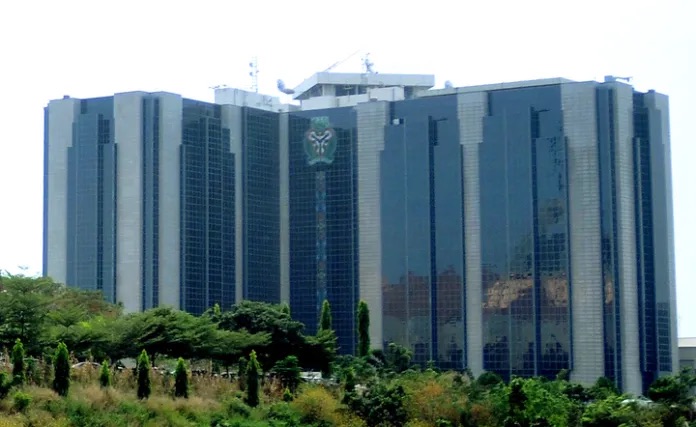
Central banks across the globe are now in a neck-breaking speed to save the world economy as the Coronavirus pandemic continues its rampage.
Just last Saturday, the Central Bank of Nigeria (CBN) jacked up its stimulus package to N3.5 trillion. Earlier in the week, precisely Thursday, the Bank of England (BoE) cut its interest rates to 0.1 per cent and ratcheted up its bond-buying program, all in an effort to offset the economic impact of the coronavirus outbreak. The US Federal Reserve, on its part, announced penultimate Sunday that it would cut its target interest rate near zero. The bold emergency action was aimed to support the economy during the pandemic.
Analysts reasoned that the swifter-than-expected rate cut was designed to prevent the kind of credit crunch and financial market disruptions that occurred the last time the Fed had to cut rates all the way to the bottom, during the global financial crisis just over a decade ago.
Before the weekend’s emergency meeting of the Bankers’ Committee, the CBN had prior Wednesday disclosed that it would support critical sectors of the economy with N1.1 trillion intervention fund.
According to its Governor, Godwin Emefiele, out of the N1.1trillion, about N1trillion would be used to support the local manufacturing sector as well as boost import substitution.
He added that the balance of N100 billion would be used to support the Health Authorities to ensure laboratories, researchers and innovators work with global scientists to patent and produce vaccines and test kits in Nigeria.This, he said, was imperative following the Coronavirus pandemic, adding that the N100 billion would enable the country prepare for any major crises ahead. He promised that, given the continuing impact of the disease on global supply chains, the apex bank would increase its intervention in boosting the economy. How?
“First the CBN is directing all Deposit Money Banks to increase their support to the pharmaceutical and healthcare industries,” he said.
“In local drug manufacturing, in increased bed count in hospitals across Nigeria, in funding intensive care as well as in training, laboratory testing, equipment and research and development (R&D). In addition to the N50 billion soft loans to small businesses already announced, the CBN will increase its intervention by another N100billion in loans this year to support health authorities. Secondly, given the continuing impact of the disease on global supply chains, the CBN will increase its intervention in boosting local manufacturing and import substitution by another N1trillion across all critical sectors of the economy, he added.”
He said the management of the apex bank would meet with the Bankers Committee the next Saturday to work out the modalities for the intervention. At the Saturday meeting, the’ Committee endorsed the financial system’s implementation and operationalisation of the policy measures .
These included “additional moratorium of one year on CBN intervention facilities; interest rate reduction on intervention facilities from 9 per cent to five per cent; creation of N50 billion targeted credit facility for affected households and SMEs; granting regulatory forbearance to banks to restructure terms of facilities in affected sectors; strengthening the Loan Deposit Ratio (LDR) policy which is encouraging significant extra lending from banks.”
To improve forex supply, the committee approves the sale of hard currencies by both local and international oil companies directly to the CBN instead of the Nigeria National Petroleum Corporation(NNPC). Emefiele reeled out the rest of the interventions:
“Improving foreign exchange supply to the CBN by directing all oil companies(international and domestic) and all related companies(oil service) to sell forex to CBN and no longer NNPC; activation of the N1.5 trillion infraco project for building critical infrastructure; additional N100billion intervention in healthcare loans to pharmaceutical companies, healthcare practitioners intending to expand/build capacity; N1trillion in loans to boost local manufacturing and production across critical sectors.
“The combination of these measures amounts to over N3.5trillion in stimulus to the Nigerian economy to ameliorate the pains arising from the Covid 19 health and economic crisis. Given that this crisis is first and foremost a public health crisis, we are paying particular attention to our health industry.The global supply chains have been disrupted, including dominant drug supply channels from China and India. In fact many countries have or are planning to ban export of drugs and medical supplies from their countries. Clearly, we have no choice but to produce these items locally.”
In UK, the central bank’s monetary policy committee voted unanimously to lower borrowing costs by 15 basis points and to increase the BOE’s bond-buying program to £645 billion ($752 billion), up £200 billion.
The BOE had previously cut rates to 0.25 per cent from 0.75 per cent on March 11. It said the majority of additional asset purchases would comprise of U.K. government bonds and would be completed “as soon as is operationally possible.”
In the US, the Fed had earlier slashed rates to a half a percentage point in another emergency cut on March 3. Sunday’s latest emergency action suggests the Fed believed the cogs of the US economic machine were getting gummed up, and it was concerned that waiting even three more days could be too late to prop up the economy. “I don’t think they would have done this unless they felt the financial markets were at significant risk of freezing up tomorrow,” said Mark Zandi, chief economist at Moody’s Analytics. “They’re very concerned the financial markets won’t work.”
The US stock market tumbled into a bear market this past week — the first in 11 years — as investors grew concerned the global economy could stumble into a steep recession as people quarantine themselves at home and the daily motions of normal life around the world come to a screeching halt. Stock futures plummeted again Sunday night.