Follow Us on Google
By Lawrence Agbo
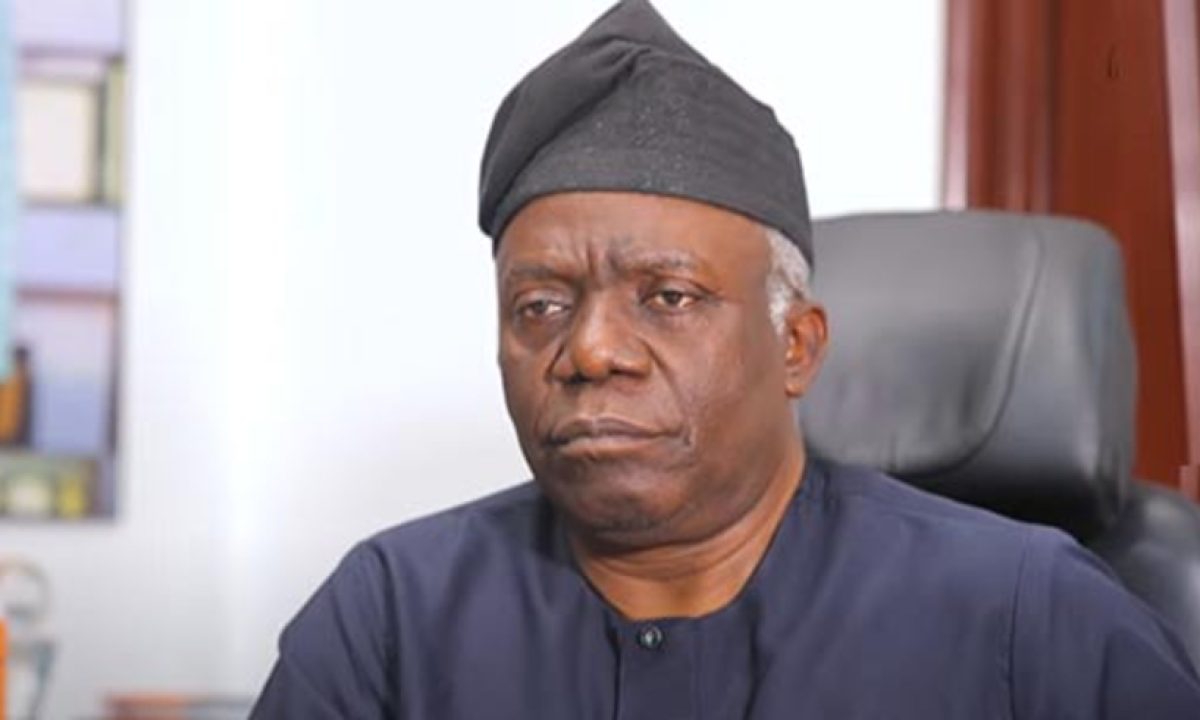
Human rights lawyer, Chief Femi Falana (SAN), has cautioned that the proposed establishment of state police will not, on its own, solve Nigeria’s security challenges unless government simultaneously tackles poverty, unemployment and other socio-economic issues fueling crime.
Speaking on Channels Television’s Politics Today on Thursday, Falana argued that public discussions on insecurity have focused too heavily on policing structures while neglecting the social conditions that drive many young people into criminal activities.
According to him, increasing the number of police formations or recruiting more officers would have limited impact if authorities fail to address widespread poverty and joblessness across the country.
“We always reduce the problem of insecurity to security architecture. How do we have more police stations? How do we employ more policemen and women without considering social security?” he said.
Falana questioned why greater attention was not being paid to creating employment opportunities for young Nigerians and providing support for citizens living in extreme poverty.
He maintained that insecurity would persist regardless of whether the country adopts state police or local government police if the root causes of crime remain unaddressed.
His remarks followed recent moves by the National Assembly to establish state police services. President Bola Tinubu had transmitted a constitutional amendment bill to the Senate on Tuesday seeking to create state police across the federation.
The Senate approved the proposal on Wednesday after considering its general principles. The bill passed second and third readings with the support of more than two-thirds of lawmakers.
Other News
If eventually signed into law, the legislation will introduce a dual policing framework consisting of a Federal Police Service and separate State Police Services. It also grants governors the authority to appoint commissioners of police for their states, subject to confirmation by state Houses of Assembly.
Lawmakers included provisions intended to safeguard civil liberties and prevent political misuse of the proposed policing system.
While acknowledging that decentralised policing is not new to Nigeria, Falana recalled that regional police operated during the First Republic before being scrapped due to widespread abuses by political authorities.
He stressed that before returning to a similar structure, the country must first address the concerns that led to its abolition.
“If we now want to go back to the status quo ante bellum, we must ask questions. The fears that were entertained, the problem that led to the abolition of the dual policing system, have they been taken care of?” he asked.
The senior advocate described the bill as lacking sufficient detail and expressed concern over the adequacy of safeguards against abuse.
Falana also questioned whether many state governments possess the financial capacity to sustain independent police services, noting that several states already struggle to meet obligations such as salaries and pensions.
He urged policymakers to adopt a broader approach to security reform by combining effective policing with economic policies aimed at reducing poverty, creating jobs and supporting vulnerable citizens.