Follow Us on Google
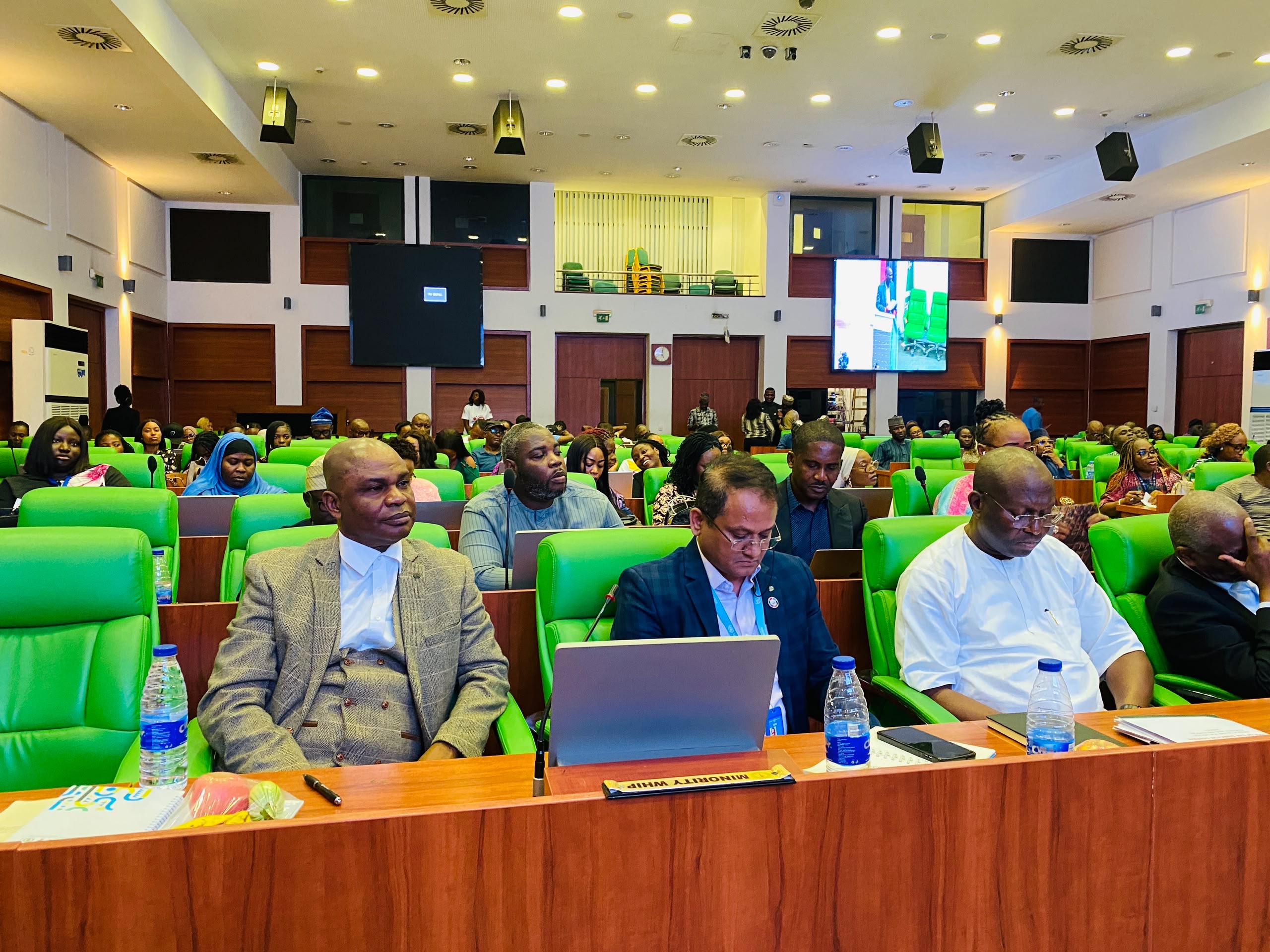
As the House of Representatives Committee on Infectious Diseases held a public hearing on the proposed Tuberculosis (TB) Rights Bill, human rights advocates, health experts, civil society organisations and tuberculosis (TB) stakeholders urged lawmakers to strengthen the bill as a rights-based legal instrument.
Leading the advocacy, Lawyers Alert, a Nigerian human rights organisation working at the intersection of health and human rights, stressed that TB is not only a health issue but also a human rights concern because many affected persons face workplace discrimination, school exclusion and loss of livelihood.
They called on the National Assembly to strengthen the proposed TB Rights Bill to ensure it protects the rights and dignity of persons affected by the disease while supporting Nigeria’s efforts to end tuberculosis.
The organisation, led by Dr Rommy Mom, commended the National Assembly and the sponsors of the legislation for recognising tuberculosis as not only a public health challenge but also a human rights issue.
According to the organisation, stigma, discrimination, forced disclosure of TB status, denial of employment, exclusion from schools, refusal of healthcare services and loss of livelihood continue to discourage many people from seeking early diagnosis and completing treatment.
Lawyers Alert urged lawmakers to ensure that the bill strikes a careful balance between public health objectives, treatment adherence and the protection of fundamental rights.
The organisation recommended that any restriction of personal liberty, including involuntary isolation or hospitalisation, should be applied only in exceptional circumstances, based on scientific evidence, medically justified, time-bound and subject to court approval.
The organisation further stressed that isolation measures must never be used as a form of punishment or discrimination. It opposed the use of such measures for immigration control, homelessness management or administrative convenience, insisting that persons affected by TB should never be detained in prisons, police cells or any other punitive environment.
Beyond rights protections, Lawyers Alert called for stronger enforcement and accountability mechanisms within the proposed law and expressed concern that assigning primary enforcement responsibility to the Minister of Justice may not provide sufficient independence, particularly when government institutions are accused of violating the rights of TB patients.
Other News
It therefore proposed a greater role for independent human rights institutions and recommended clear timelines for investigations, access to courts, legal aid services, interim relief measures, victim support systems and the ability of civil society groups to initiate representative actions.
The Stop TB Partnership Nigeria also made a strong case for a people-centred approach to the legislation. The partnership emphasised that tuberculosis is not confined to hospitals but exists in homes, schools, markets, workplaces, correctional facilities, transport hubs and rural communities.
It therefore urged lawmakers to formally recognise communities, TB survivors, civil society organisations and community-based groups as critical partners in case finding, treatment support, stigma reduction, monitoring and accountability.
Stakeholders also highlighted the need for sustainable funding to support Nigeria’s TB response.
While acknowledging that TB medicines are provided free of charge, they noted that many patients still struggle with transportation expenses, nutritional needs, loss of income, psychosocial challenges and other indirect costs that often affect treatment completion.
They called for provisions to support social protection programmes, nutrition assistance, transport support, health insurance linkages, livelihood interventions and community-led financing initiatives.
Other stakeholders, including the TB Network and Debriche Health Development Center (DHDC), stressed the importance of protecting vulnerable and marginalised groups, advocating child-friendly TB services, safeguards against school exclusion, protections for informed consent involving children and persons lacking decision-making capacity, and gender-responsive measures to protect women and girls affected by TB.
The groups further recommended workplace protections for both formal and informal sector workers and called for safeguards against domestic violence, abandonment and other forms of discrimination linked to a person’s TB status.