Follow Us on Google

• Muslims, Christians move to end religious crises in Kaduna
From Noah Ebije, Kaduna
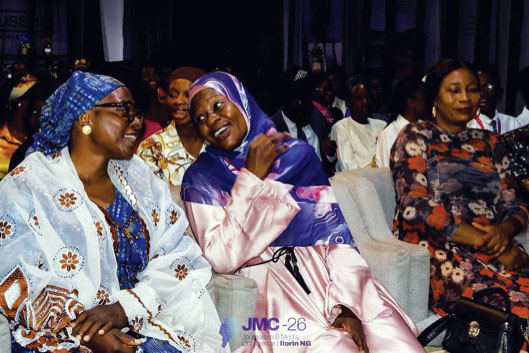
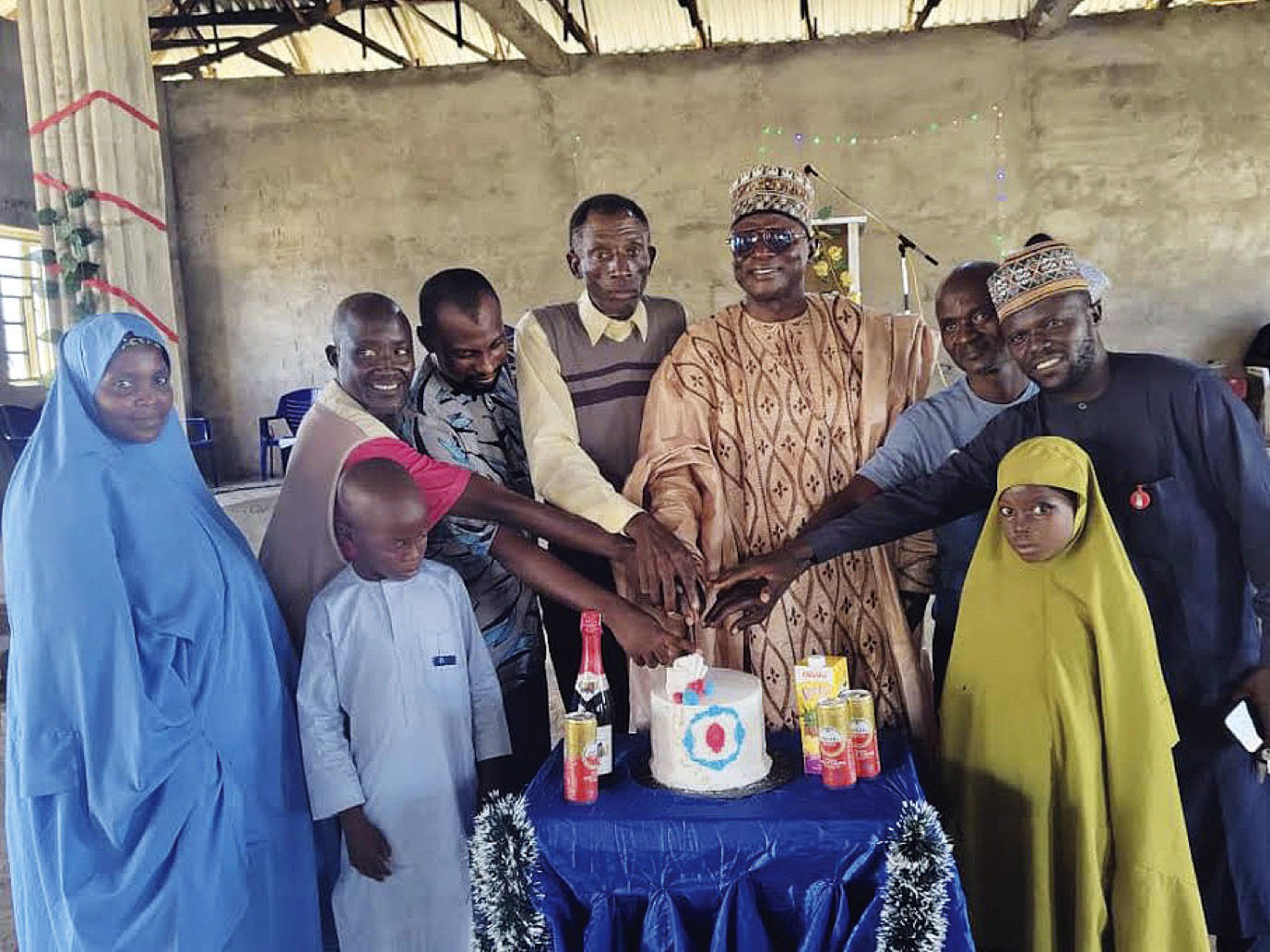
In a state with a painful history of religious misunderstanding, violence and mistrust, the sight of Muslims participating in the silver jubilee celebration of the Christ Evangelical and Life Intervention Ministry, Kaduna, Kaduna State, recently was one of amazing of joy.
Their participation not only dressed the occasion with grace and adorned it with love, it also signified a powerful message of hope, reconciliation and peace in the state.
General Overseer of the church, Yohanna Buru, described the occasion as a historical moment for the church and for unity, religious harmony and peace in the state. He is also United Nations Peace Ambassador in Nigeria. He said the church intentionally invited its Muslim neighbours and friends to celebrate with them as part of its commitment to inter-faith bonding even as he lauded their participation as a demonstration of true love, acceptance and mutual understanding.
For him, the presence of Muslims at their silver jubilee celebration was not merely about attending a social function, but also about demonstrating that genuine friendship and love exist across religious boundaries and lines. He remarked that Muslims and Christians share the same heritage as descendants of Adam and Eve, adding that they must work together to build a society where religious differences do not become a barrier to their common humanity.
He observed that both Islam and Christianity promote good conduct, accountability before God and a life in the hereafter and urged members of both faiths to embrace mutual respect, religious tolerance, understanding and forgiveness.
Leader of the Muslim faithful, Yusuf Jibril Zigo, congratulated the church on its 25 years of spiritual service while describing the anniversary as yet another opportunity to deepen the longstanding relationship between Muslims and Christians in the state. He said the Muslims were at the event to celebrate with their Christian brothers and sisters and offer special prayers for peace, love, forgiveness and unity in the country and the world.
He insisted that people of different religious backgrounds and callings should not allow their differences to destroy the bond of humanity and good neighbourliness they share. He also prayed for divine intervention to end the growing insecurity affecting communities across Northern Nigeria and restore lasting peace and stability to the region.
A worker with the Network of Peace, Ibrahima Yakubu, appreciated clerics from both religious groups for the religious bonding and friendship, describing the presence of Muslims at the occasion as a mark of interfaith solidarity in the state. He charged other religious leaders to emulate their good conduct by encouraging similar dialogue, tolerance and understanding across the faith lines.
Other News
He urged them also to discourage inflammatory messages, correct misconceptions and encourage their followers to appreciate the values they share in common with people of other faiths. He insisted that bringing Muslims and Christians together during important religious and social occasions was an effective vehicle for strengthening trust, overcoming prejudice and promoting peace.
Against the historical background of past religious rivalries and violence, the celebration by the church offered a refreshing note on inter-faith understanding, love and peace.
One of the earliest major episodes occurred in 1987, when a dispute involving Christian and Muslim students in Kafanchan escalated into violence, spreading to other parts of Kaduna State.
In 1992, the Zangon-Kataf crisis, initially triggered by disagreements over the relocation of a market, degenerated into wider communal violence involving Hausa and Kataf communities- with religious identities becoming an important dimension of the conflict.
The state experienced another devastating crisis in February and May 2000, following disagreements surrounding the proposed extension of Sharia Law to criminal matters. In November 2002, further violence erupted in the state following protests linked to the Miss World beauty pageant controversy, resulting in more deaths and destruction.
The 2011 post-election violence also exposed the fragility of relationships between religious communities, particularly in Kaduna, where attacks and reprisals claimed hundreds of lives and deepened existing suspicions.
Human Rights Watch and other conflict related records have documents of how these crises contributed to residential segregation, mutual suspicion, displacement and strained relationships between communities. But as the years went by, there have been several peace building efforts and initiatives by the government and the people of the state.
They included the Interfaith Mediation Centre, established in 1995 by Muhammad Ashafa and Pastor James Wuye as well as the Kaduna Peace Declaration signed by Muslim and Christian religious leaders on August 22, 2002.
The Inauguration of the Kaduna State Bureau of Interfaith in 2015 proved itself a walking step to restoring peace in the state, but it was the desire of the ordinary people and the adherents of both religions to live and love again that led to the reign of the present peace in the state.