Follow Us on Google
From Adanna Nnamani, Abuja
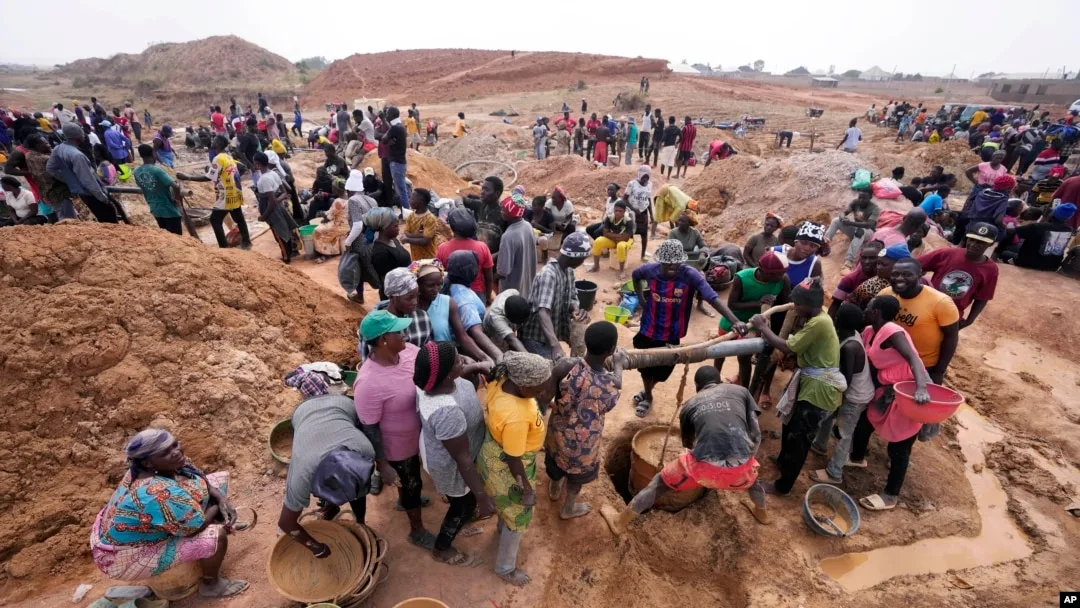
The Nigeria Extractive Industries Transparency Initiative (NEITI) has raised concerns over the growing imbalance between production and revenue contribution in the solid minerals sector, revealing that artisanal and small-scale miners are responsible for over 80 percent of Nigeria’s total mineral output, yet contribute less than 30 percent of royalties paid to the government.
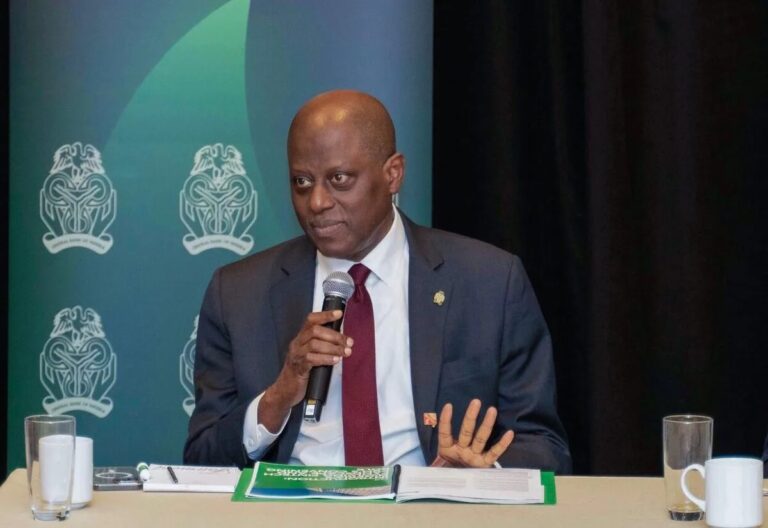
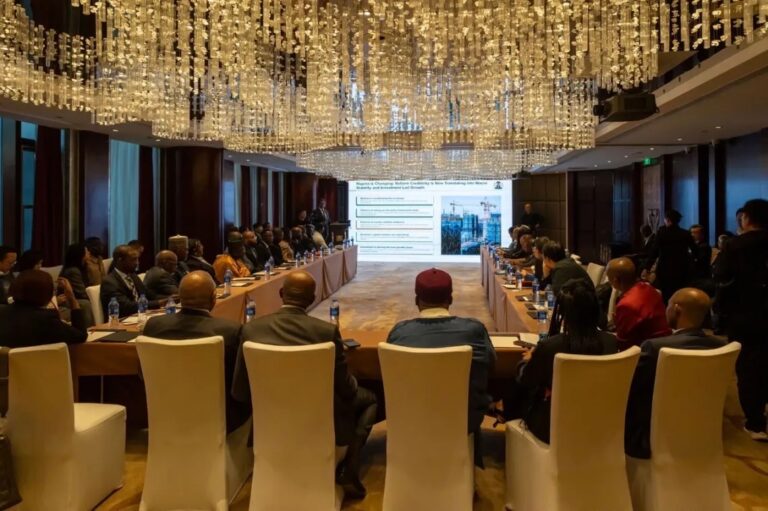
According to a statement from NEITI, its Executive Secretary, Dr Orji Orji, while speaking at the 2025 Nigeria Mining Week held in Abuja, recently, described the situation as a major indicator of deep-rooted governance and structural challenges that must be urgently addressed if the sector is to realize its full potential.
Orji warned that unless reforms focus on formalising small-scale mining and improving royalty collection, the solid minerals sector will continue to underperform despite rising production volumes.
According to him, NEITI’s 2023 Solid Minerals Industry Report shows that while revenues from the sector grew modestly, from N339.57 billion in 2022 to N401.87 billion in 2023, the sector’s contribution to Nigeria’s Gross Domestic Product (GDP) remains below 1 percent.
He said this performance is far below expectations for a sector positioned to drive economic diversification, reduce dependence on oil, and support Nigeria’s energy transition goals.
“Our data further reveal that artisanal and small-scale mining accounted for over 80% of total production volumes but contributed less than 30% of royalties paid. This underscores deep governance and structural challenges that demand urgent reform.
Other News
“The fact that small-scale miners produce the majority of minerals but contribute a fraction of what is expected in royalties is a red flag. It speaks to the urgent need for better regulation, formalisation, and integration of artisanal mining operations into the mainstream economy,” Orji said.
He noted that many of these miners operate informally, often outside the regulatory net, which results in lost revenue for the government and missed opportunities for inclusive development in host communities.
The NEITI boss urged the Federal Government to accelerate reforms aimed at licensing, monitoring, and supporting small-scale miners, while also ensuring they pay their fair share into public coffers.
He commended the Federal Government for key reforms already underway, including the revocation of dormant licenses, deployment of Mining Marshals to combat illegal mining, and the launch of a digital resource management platform to track geological and cadastral data in real-time. Orji also welcomed the proposed review of the Nigerian Minerals and Mining Act, 2007, which he said must reflect current realities and help close existing policy gaps.
The ES further called for a streamlined fiscal and royalty regime, promotion of local processing and value addition, and greater protection for host communities through stronger environmental and community development frameworks. He stressed that these reforms must also promote indigenous participation, protect local jobs, and ensure the country’s mineral wealth is used for national development.