Follow Us on Google
From Charity Nwakaudu, Abuja
Longevity constitutes a prayer point of an average human being. Parents, relatives, children and acquaintances wish and pray for longevity. However, one of the biggest challenges of old age is the lack of attention from those that ought to provide it.
For many of the aged, the blessings of longevity have turned the other way round. This is because most young people see old people as a burden that spending on them is a share waste of resources. Traumatised due to solitude and geriatric health challenges, most of them have become living corpses, as their hitherto loved ones abandon them to live and wait for death.
They pleaded with the Federal Government and prominent non-governmental organisations to increase their access to proper medical care. They revealed a high rate of discrimination against them at public health facilities, lamenting that it ought not to be so and requesting an intervention that would improve their situation.


Director-General, National Senior Citizens Centre (NSCC), Dr Emem Omokaro, said that there is a need to understand the challenges associated with older persons, adding that relevant agencies especially Primary Health Care need to establish a special unit for them.
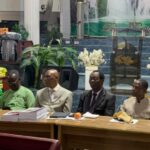
He said this at the national stakeholder’s workshop on integrating care of older persons in Nigeria, organized by the NSCC in collaboration with Health Care Development Agency, supported by World Health Organization held in Abuja, yesterday.
He stressed that most older persons are residing in rural areas and are impacted by the burdens of lack of access to a lot of basic resources.
‘There are 14. 8 million older persons living in Nigeria. 70% of them reside in rural areas. They have particular challenges, COVID19 exposed these vulnerabilities and the fragility of existing systems Older people are disproportionately impacted by the burden of poverty, poor health, disability, social isolation and exclusion, violence, neglect abuse and mistreatment, exploitation and lack of access to such basic resources as adequate food and shelter, water and sanitation, reliable communication, nourishing, companionship and effective support in times of humanitarian emergencies and crises Such burdens are compounded when they follow a life course of poverty.
‘The bedrock of these challenges is the poor understanding of ageing issues across the relevant sectors (MDAs) that have mandates concerning older persons, as well as amongst the older persons themselves, their family members and their communities. This gap hinders age-centred service delivery and inclusiveness of older persons in development and social services plans. It brings about ageism in all its forms,’ he said.
An older person, who does not want his name in print, said that the health of older persons in Nigeria is not given attention, stressing that the primary healthcare system is not geared towards addressing the health needs of older people living in the communities:
‘We are not considered in the primary healthcare system which is the unit that operates in most of our local communities where we reside. Government give priority to units like maternal and child healthcare, and younger persons but no one talks of the older persons.
‘Although we have lived our lives as popularly believed, we still have one or two things to contribute to the development of this nation and it can only be if given the opportunity to live healthily.’
The Minister of Humanitarian Affairs, Disaster Management and Social Development, Hajiya Sadiya Farouq, who was represented by the Special Adviser on Humanitarian Affairs, Musa Bungudu, was optimistic that the two-day workshop would create a favourable environment for older persons in the health care sector.
‘I am very optimistic, that the outcome document from what promises to be very stimulating technical deliberations, will usher a new dawn in accessible, appropriate and acceptable primary health care for older persons,’ she said.