Follow Us on Google
By Lawrence Agbo
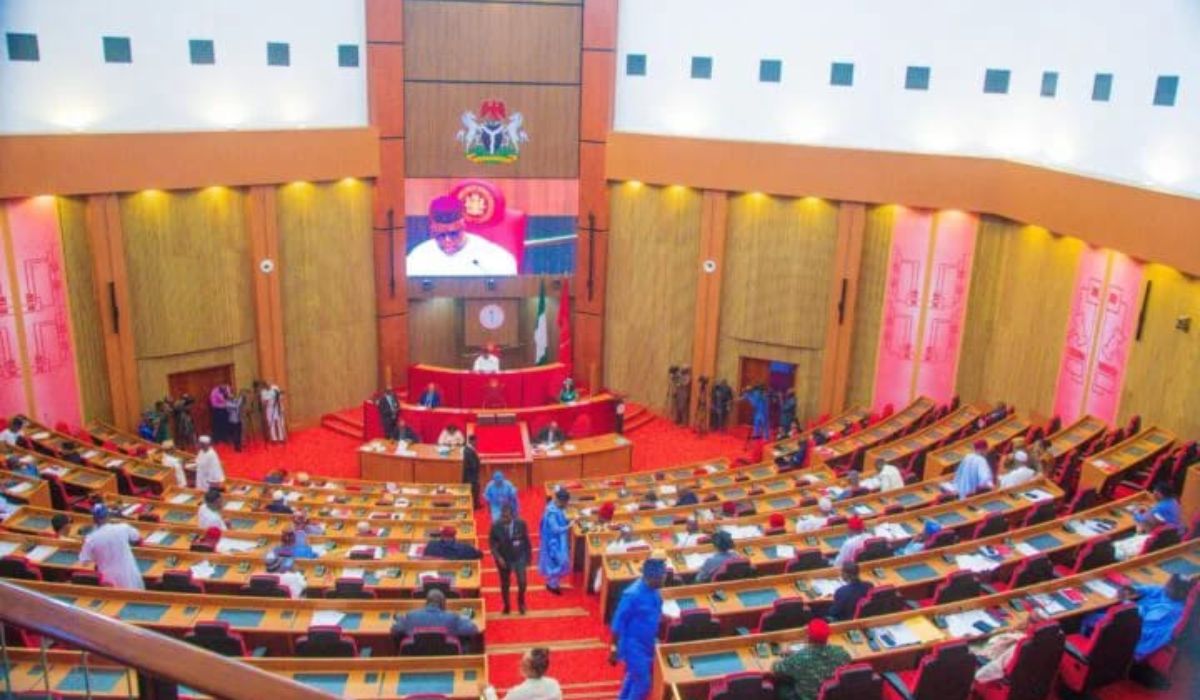
The Chairman of the Senate Committee on Media and Public Affairs, Senator Yemi Adaramodu, has said members of the National Assembly do not take part in procuring official vehicles assigned to them.
Adaramodu, who represents Ekiti South Senatorial District, said the National Assembly bureaucracy handles the process of selecting, buying and allocating vehicles for committee work and other legislative duties.
He spoke while reacting to a Federal High Court judgment which reportedly voided the National Assembly’s N110 billion vehicle procurement and allowance scheme.
According to the senator, lawmakers are beneficiaries of official vehicles but do not determine how the procurement is carried out.
“The bureaucracy determines and provides official vehicles for committee work and legislative assignments. No vehicle is registered in the name of any senator,” he said.
He explained that the vehicles remain government assets throughout the tenure of lawmakers and are deployed only for official assignments.
Adaramodu added that a senator can only take ownership of an official vehicle after leaving office, subject to government-approved procedures and payment arrangements.
Other News
“Senators were not taken to court. Procurement is handled by the appropriate departments within the National Assembly bureaucracy. Legislators have no role in the purchasing process,” he said.
The lawmaker maintained that any legal challenge over the procurement should be directed at the relevant administrative units of the National Assembly rather than individual senators.
The comments followed a ruling by the Federal High Court in Lagos in a suit filed by the Socio-Economic Rights and Accountability Project against Senate President Godswill Akpabio and Speaker of the House of Representatives Tajudeen Abbas.
Justice Bogoro, in the May 6 judgment, held that the N110 billion expenditure breached procurement laws, constitutional provisions and public trust.
The court also ordered the National Assembly leadership to ensure that future procurement and public spending comply with due process, transparency, accountability and value-for-money principles.
The judge held that lawmakers had a conflict of interest because they were beneficiaries of an expenditure they approved.
“The beneficiaries of the expenditure are the very officials approving it, and the expenditure confers direct pecuniary and material benefits,” the court held.
Justice Bogoro also cited the country’s economic hardship, saying the allocation of N110 billion for lawmakers’ benefit failed to place national interest first.