Follow Us on Google
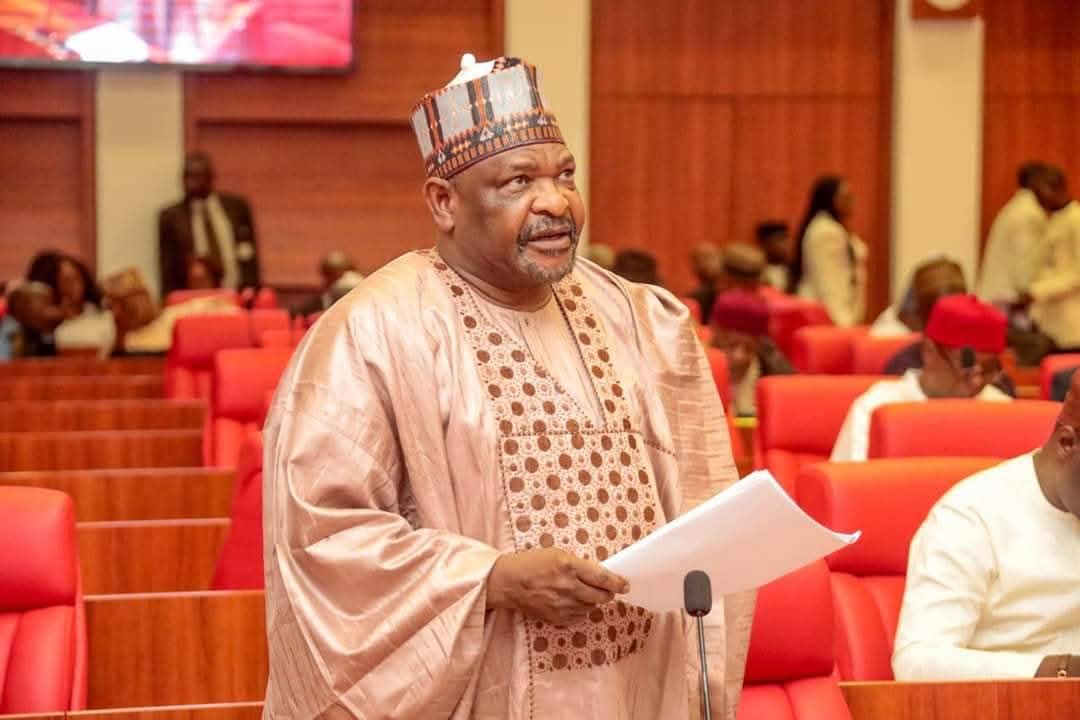
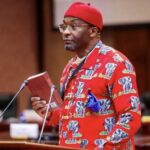
Amidst rising national concerns over Nigeria’s debt profile, Senator Abdul Ningi has distanced himself from the recent approval by the Senate of President Bola Ahmed Tinubu’s $21 billion foreign loan request, citing grave concerns over transparency, fiscal discipline, and lack of clarity surrounding the loan’s intended use.
The lawmaker, renowned for his vocal advocacy on accountability and responsible governance, strongly criticized the decision to approve such a massive borrowing proposal without detailed disclosures on the projects, implementing agencies, and measurable outcomes.
Speaking on the Senate floor and to journalists afterwards, Senator Ningi described the loan approval process as “deeply troubling” and one that lacked the rigorous due diligence required in a democracy.
“I am not against borrowing in itself, but I cannot support a $21 billion loan request that comes without a detailed project list, without cost-benefit analysis, and without any transparent repayment framework,” Ningi said. “We are taking decisions today that will define the future of generations to come. We cannot afford to be reckless.”
The Senate had earlier approved the loan request as part of the 2022–2024 borrowing plan presented by the President, citing the need to fund critical infrastructure and development programmes. However, the approval has met with widespread criticism from economists, civic groups, and financial analysts who are alarmed by Nigeria’s growing external debt and the opaque nature of recent loan agreements.
Senator Ningi’s rejection of the proposal has been widely praised by sections of the public, who see it as a rare display of political courage and a strong reminder of the legislature’s oversight function.
“There is no nation that prospers under the weight of unexplained and unmonitored debt,” Ningi stressed. “This is not a partisan issue. It is about Nigeria. If we fail to demand accountability today, we will have no moral ground to question future misgovernance.”
He further noted that Nigerians deserve to know precisely how such an enormous sum will be deployed, the foreign institutions involved, the duration of the loan, and the impact it would have on the economy—particularly given current inflationary pressures, exchange rate instability, and debt servicing obligations that already consume a significant portion of government revenue.
While the Presidency has defended the loan as a necessary fiscal tool to fund essential national projects and stimulate economic growth, they are yet to provide a comprehensive public breakdown of how the funds will be allocated or monitored.
Political observers believe Senator Ningi’s position could inspire greater legislative resistance to blind approvals of executive financial requests and may mark the beginning of a broader push for financial transparency within the National Assembly.
His stance, analysts argue, may not halt the disbursement of the funds, but it has succeeded in sparking a much-needed national conversation about debt accountability, public trust, and the integrity of the federal budgeting process.
As the debate continues, many stakeholders agree that the future of Nigeria’s economic stability rests not just on funding plans, but on how well those funds are accounted for, utilized, and linked to real and measurable national development.