Follow Us on Google
From Kenneth Udeh, Abuja
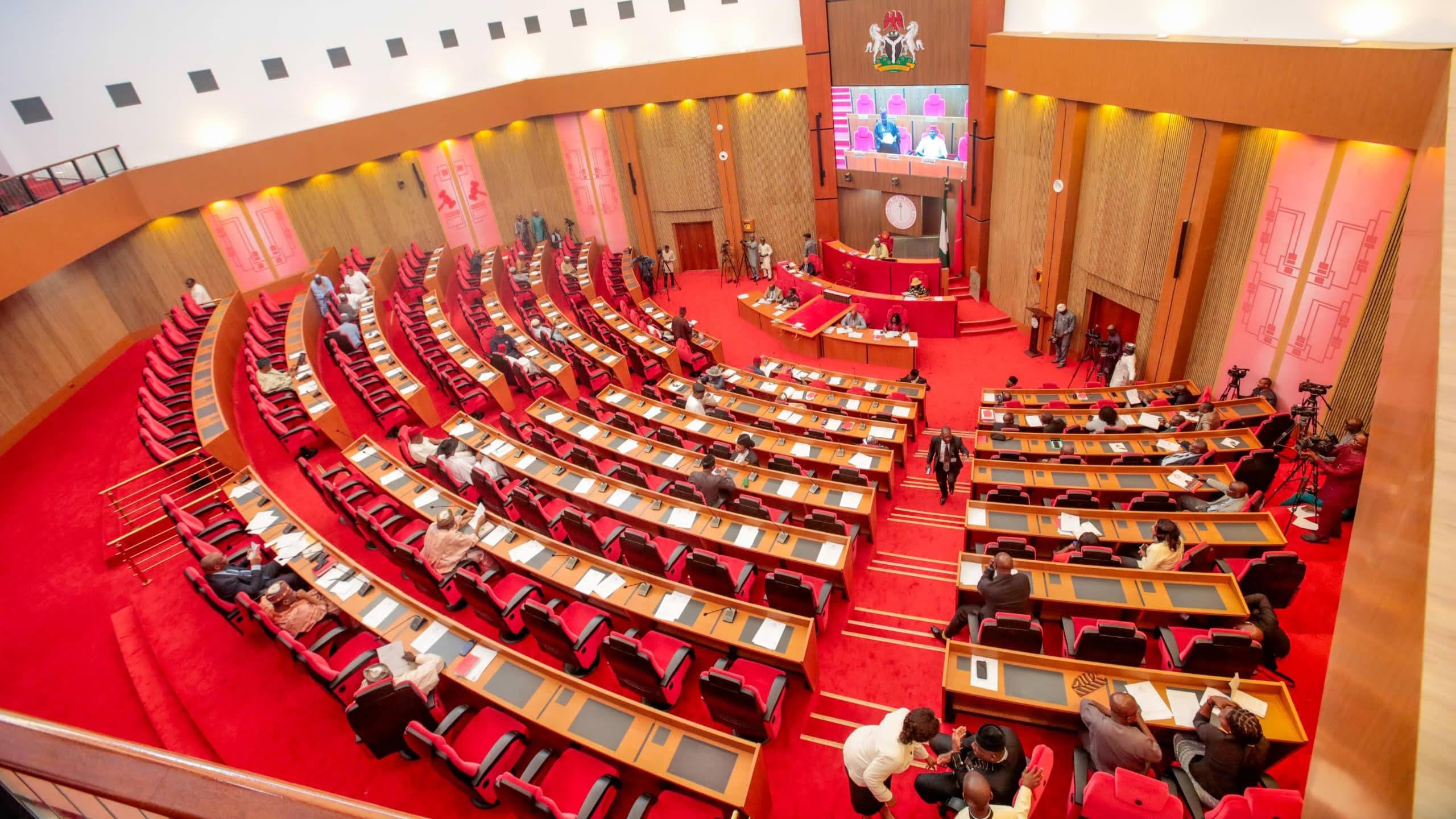
The Senate on Wednesday approved President Bola Ahmed Tinubu’s request for a ₦1.15 trillion loan to fund the 2025 budget deficit while stepping down a Bill seeking to establish a Performance and Priority-Based Budgeting System for Nigeria.
The proposed bill aimed to replace the long-standing envelope budgeting system, which has been in operation since 2006 without review, with a modern results-oriented framework to enhance efficiency, accountability, and alignment of public spending with national priorities.
The Bill, sponsored by Senator Sani Musa (Niger East), was presented by Senator Orji Uzor Kalu (Abia North), who stood in for the sponsor and Chairman of the Senate Committee on Finance.
In leading the debate, Kalu explained that the bill sought to institutionalise a budgeting model that ties every government expenditure to measurable outcomes, promotes fiscal discipline, and aligns budgetary allocations with the Medium-Term National Development Plan (MTNDP) and Sustainable Development Goals (SDGs).
According to him, “For too long, Nigeria’s budgeting process has been characterised by repetitive line items, weak performance measurement, poor alignment with national plans, and inefficient use of public resources. This Bill seeks to correct that flaw by ensuring every naira spent yields measurable results.”
The proposed law would have created a Performance and Priority-Based Budgeting System to guide budget preparation, approval, implementation, and evaluation; established roles for the Ministry of Budget and Economic Planning; required all MDAs to submit quarterly performance reports; and instituted a National Budget Performance Review Committee to monitor outcomes and ensure transparency.
However, during the debate, objections were raised arguing that the bill, while laudable, could constrain the Executive from adopting flexible fiscal strategies.
Senator Olamilekan Solomon (Ogun West) noted that the Federal Government currently operates the envelope budgeting system, which allocates resources based on available funds. He cautioned against mandating a single approach through legislation, emphasising the need for flexibility.
Other News
“There’s no fixed budgeting system. What we currently use is the envelope system, adopted in 2006 and never reviewed since then. Trying to impose one rigid system could tie the hands of the Executive.”
He also pointed out that the bill failed to empower the National Assembly Budget and Research Office (NABRO), which could serve as an independent evaluator of budget performance, he said.
Chief Whip of the Senate Senator Tahir Monguno supported the general intent of the bill but stressed the need for a balanced review. “Our current envelope-based system is penny-wise and pound-foolish.
What this bill seeks to achieve is to align the national budget with the real needs of Nigerians. However, we must ensure NABRO is empowered to monitor performance independently,” Monguno stated.
After the debate, Senator Kalu, speaking on behalf of the sponsor, moved that the bill be stepped down for further consultation and refinement, a motion seconded by Senator Aliyu Wadada and supported via a voice vote.
Presiding over the session, Deputy Senate President Barau Jibrin commended the intentions behind the bill but agreed with the call for its suspension. “We have a government that is already implementing reforms to improve the system. Bringing in a new budgeting model now might restrict the president’s fiscal flexibility. It’s better we step it down for further deliberations,” Barau said.
Meanwhile, the Senate approved President Tinubu’s ₦1.15 trillion loan request after adopting the report of the Committee on Local and Foreign Debt. The Committee explained that the loan was essential to bridge the 2025 budget deficit and sustain ongoing capital projects critical to the administration’s Renewed Hope Agenda.
The approval underscores the Senate’s continued collaboration with the Executive on fiscal matters, even as it deferred the proposed shift to performance-based budgeting pending further consultations and legislative refinement.