Follow Us on Google
From Adesuwa Tsan, Abuja
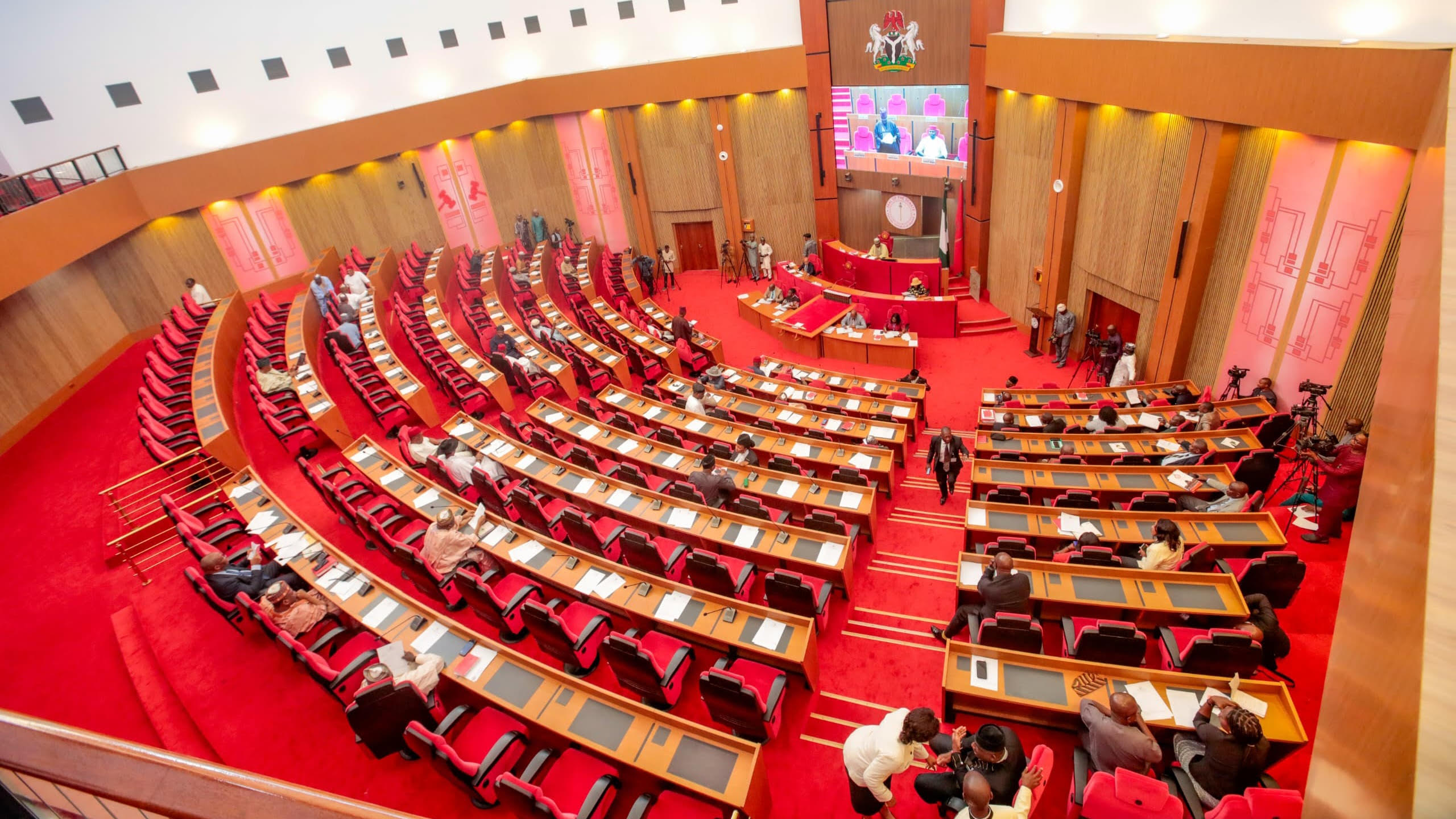
The Senate has further extended the implementation period for the capital component of the 2025 Appropriation Act, shifting the deadline from June 30 to September 30, to allow for the completion of ongoing projects and settlement of outstanding obligations.
This followed the adoption of a motion moved by the Senate Chief Whip, Tahir Monguno, on Thursday.
The latest extension marks the third extension of the capital component of the 2025 Appropriation Act. The implementation period was first extended by the National Assembly from 31 December 2025 to 31 March 2026, and subsequently from 31 March to 30 June 2026, before Thursday’s decision to move the deadline to 30 September 2026.
With the extension, ministries, departments and agencies (MDAs) of government will have an additional three months to complete ongoing capital projects and fully utilise funds already released under the 2025 budget.
Monguno said the extension had become necessary because a significant portion of funds released to MDAs for approved projects and programmes had yet to be utilised due to procurement timelines, project execution challenges and other administrative bottlenecks.
He noted that several strategic capital projects across critical sectors were already at advanced stages of completion and required additional time for execution, certification and payment.
The lawmaker warned that failure to extend the implementation period could lead to the abandonment of key projects, wastage of public resources already committed to them and disruption of ongoing government interventions.
He also expressed concern that some projects captured in the 2025 budget might not be re-budgeted in subsequent appropriation cycles, creating funding gaps and undermining national development objectives.
According to him, extending the validity of the capital component of the budget would facilitate efficient utilisation of released funds, improve budget performance, enhance service delivery and support economic growth.
Other News
“The Senate is convinced that granting a further extension of the implementation period is in the national interest and will ensure value for money in public expenditure,” he said.
Urging his colleagues to support the motion, Appropriations Committee Chairman Olamilekan Adeola explained that although payments for capital projects have commenced, there are still many outstanding obligations yet to be fulfilled.
He recalled that President Bola Tinubu informed the National Assembly that 30 per cent of the funds for the 2025 payments would be captured in the rolled-over budget, while the remaining 70 per cent would be incorporated into the 2026 budget.
“Yes, payment has commenced, but we still have a lot outstanding,” he said.
In his remarks, President of the Senate Godswill Akpabio, who presided over plenary, said the extension was aimed at ensuring proper implementation of the budget in line with the constitutional powers of the National Assembly.
Akpabio recalled that when President Bola Tinubu presented the budget, it was anticipated that about 30 per cent of the capital expenditure would be implemented within the approved timeframe, while the balance would be accommodated in subsequent budgetary provisions.
He noted that implementation delays had earlier compelled the National Assembly to extend the lifespan of the capital component of the budget to 30 June 2026.
“Although payments have commenced, a considerable number of obligations remain outstanding. It has therefore become necessary, in the interest of effective budget execution and accountability, to further extend the implementation period beyond 30 June 2026 to 30 September 2026,” Akpabio said.
He expressed optimism that all outstanding commitments under the affected component of the budget would be settled within the additional three-month window, while implementation of projects under the subsequent budget cycle would proceed without disruption.
The Senate also adjourned plenary until July 7.