Follow Us on Google
From Adesuwa Tsan, Abuja
Businesses across Nigeria, particularly micro, small and medium enterprises (MSMEs), may soon be able to convert unpaid invoices and credit sales into immediate cash without relying on conventional bank loans following the passage of the Factoring, Assignments and Receivables Financing Bill for second reading in the Senate.
The bill, which seeks to establish a legal framework for factoring and receivables financing, is expected to improve access to credit, boost liquidity for businesses and enhance domestic and international trade.
It also seeks to provide legal certainty for the assignment of receivables through factoring, promote transparency, modernise assignment laws and facilitate greater access to credit for businesses across the country.
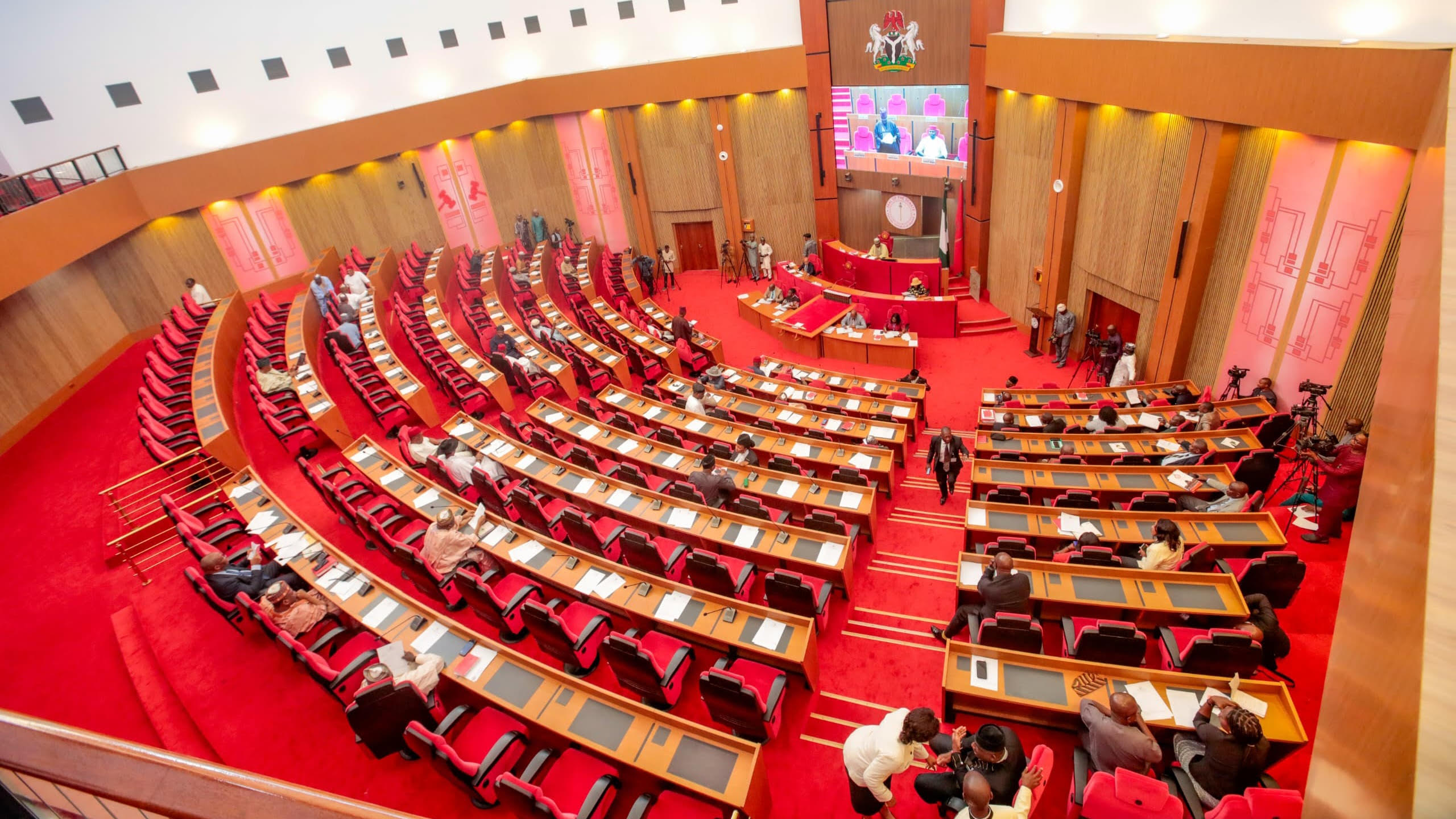
Leading debate on the bill which was sent from the House of Representatives for concurrence,
Senate Leader Opeyemi Bamidele said on Tuesday that the proposed legislation would create an enabling environment for debt factoring to thrive in Nigeria while defining the rights and obligations of creditors, factors and debtors involved in such transactions.
He explained that the bill provides for factoring contracts between sellers and factors and clarifies the legal relationship among parties in receivables financing arrangements.
According to Bamidele, the legislation has already passed all legislative stages in the House of Representatives and has complied with the Senate’s procedural requirements under Order 78(3) of the Senate Standing Orders.
Other News
He told lawmakers that the Senate Ad Hoc Committee on Compliance, chaired by Abdul Ningi, had scrutinised and cleared the bill for concurrence.
“The committee confirmed that all procedural requirements for consideration and concurrence by the Senate have been fully met,” he said.
Seconding the bill, Adetokunbo Abiru said the legislation would provide businesses with an alternative source of financing by enabling them to turn credit sales into cash and improve their working capital.
Abiru noted that factoring has become increasingly popular across Africa over the last decade, largely through initiatives supported by the African Export-Import Bank (Afreximbank).
He disclosed that the African factoring market is currently valued at over $50 billion, but Nigeria’s participation remains below one per cent.
According to him, countries such as Egypt and Morocco have benefited significantly from the financing model, adding that Nigeria risks missing out on the growing market without a clear regulatory framework.
“I think that passing this major legislation will help support our micro, small and medium enterprises in terms of converting most of their credit sales into cash without going through the normal borrowing arrangement,” Abiru said.
In his remarks, Ningi also assured lawmakers that the compliance committee had reviewed the bill and found no legal impediments to its passage.
Following a voice vote, the Senate approved the bill for second reading and subsequently referred it to the Committee of the Whole for clause-by-clause consideration.