Follow Us on Google
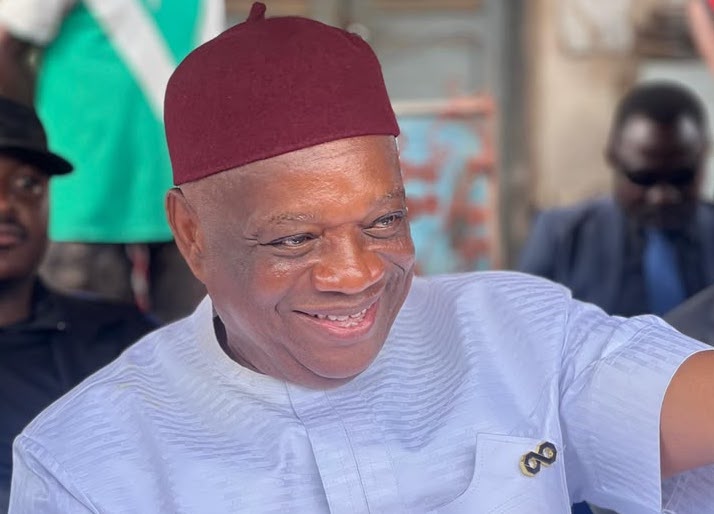
From Kenneth Udeh, Abuja
The Senate has adopted a bill sponsored by Senator Orji Uzor Kalu (Abia North) seeking to establish a regulatory framework for medical X-ray and imaging practitioners, strengthen professional standards and protect patients against risks associated with exposure to ionising radiation.
The proposed legislation, titled “Medical X-Ray and Imaging Practitioners Council (Establishment) Bill, 2026 (SB 1070),” aims to regulate practitioners’ training, registration and professional conduct. It would also ensure that only qualified and duly registered personnel undertake relevant diagnostic and therapeutic procedures within their authorised scope of practice.
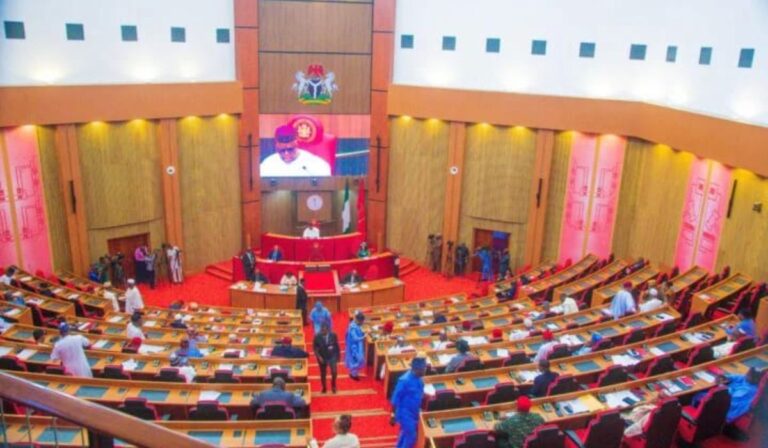
The bill was adopted on Tuesday following the Senate’s resumption of plenary after a short break, with proceedings presided over by Senate President Godswill Akpabio.
It had earlier been read for the first time on the floor of the Senate by Senate Leader Opeyemi Bamidele.
The proposed legislation, Daily Sun gathered, seeks to establish the Medical X-Ray and Imaging Practitioners Council of Nigeria as the regulatory body responsible for setting standards, supervising professional training and overseeing medical imaging practice in the country.
The council would cover a broad range of specialists, including medical X-ray technicians and technologists, ultrasound technologists (sonographers), radiotherapy technologists, neuro-electrophysiology technicians and technologists, renal therapy technicians and technologists, nuclear medicine technologists, magnetic resonance imaging (MRI) technologists, computed tomography (CT) technologists and cardiovascular technologists.
A major public health objective of the bill is to promote the safe and professional use of medical imaging technologies, particularly procedures involving ionising radiation, such as X-rays and CT scans.
Although these procedures are essential for diagnosing and managing diseases, inappropriate or unnecessary exposure to ionising radiation can pose health risks.
The proposed framework is intended to strengthen professional competence, promote adherence to safety standards and improve accountability among practitioners responsible for operating medical imaging equipment.
Other News
It also aims to improve the quality and reliability of diagnostic services, protect patients and healthcare workers, and strengthen public confidence in Nigeria’s medical imaging services.
Under the proposed law, the council would determine and periodically review the standards of knowledge and practical skills required for entry into the profession. It would also maintain a register of qualified practitioners and publish updated lists of registered professionals.
Other proposed functions include regulating medical imaging training programmes, conducting professional examinations, periodically accrediting training institutions, and inspecting, regulating and accrediting medical imaging diagnostic clinics and laboratories.
The council would also assess and register foreign-trained graduates, develop a professional code of conduct and establish mechanisms for continuing professional education to ensure practitioners keep abreast of evolving technologies and international best practices.
In March, the Association of Radiographers of Nigeria raised concerns over the Medical and Dental Practitioners’ Act (Repeal and Re-enactment) Bill, 2026 (HB 2695), warning against provisions it said could undermine the independence of radiography and transfer statutory responsibilities to the Medical and Dental Council of Nigeria.
The association’s president, Dr Musa Dembele, reportedly stated the position during a press conference at the Kano State Council of the Nigeria Union of Journalists’ Press Centre.
Dembele described the proposed legislation as “a targeted, calculated and existential assault on the profession of radiography.”
According to figures associated with his legislative records, Kalu has sponsored more than 50 bills since entering the Senate in 2019, including 25 during his first term, from 2019 to 2023.
Among his notable proposals are the Electric Vehicle Transition and Green Mobility Bill, which seeks to establish a national framework for electric vehicle adoption and encourage green energy investment through fiscal incentives; the Social Welfare Service Bill, aimed at institutionalising a national social protection system to address extreme poverty; and the Tax Crimes Commission (Establishment) Bill, designed to strengthen tax administration and compliance.
Others include a constitutional alteration proposal on concurrent railway powers, which seeks to expand the role of state governments in railway development and operations, and the Federal College of Agriculture, Isuochi (Establishment) Bill, which proposes a federal agricultural institution in Abia State to support agricultural education, technology and productivity.