Follow Us on Google
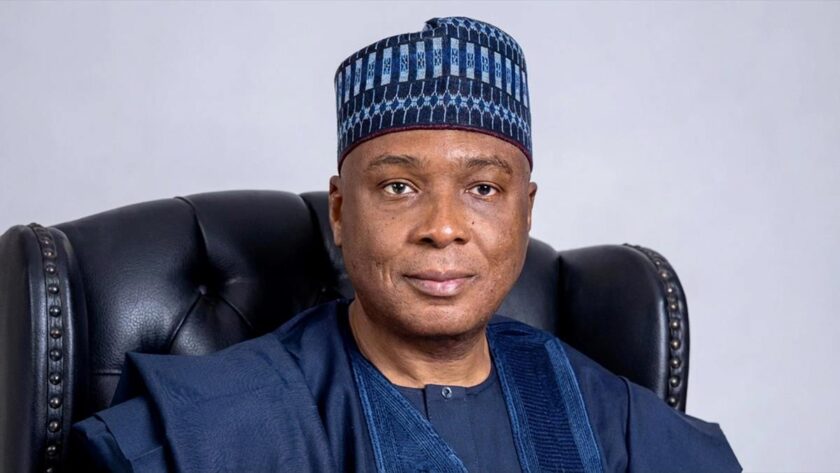
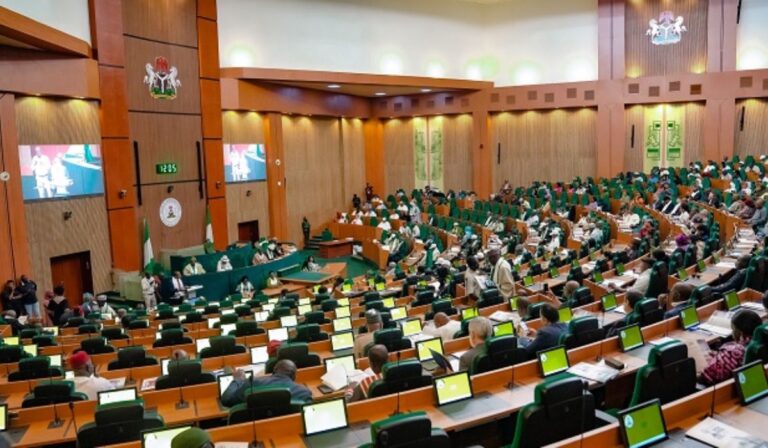
Former Senate President Abubakar Bukola Saraki has said that a strong and independent legislature is pivotal to democratic stability, good governance, and national development. He warned that weakening lawmaking arm would threaten Nigeria’s democracy.
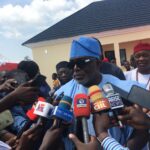
Saraki made the assertion yesterday while delivering a keynote address at The Platform’s June Forum with theme, “Governance, Democracy, National Security” held at the Lagos Marriott Hotel, Ikeja GRA, Lagos, to commemorate Democracy Day.
Speaking on the topic, “How Legislature Brings About Democratic Stability by Strengthening Governance and National Development,” the former Senate President Saraki said Nigeria’s democracy was hard-won and must be safeguarded by strong institutions.
Reflecting on June 12, he described the date as a testament to the resilience of Nigerians who upheld their commitment to democratic rule despite the annulment of the 1993 presidential election.
“Democracy in Nigeria was never handed to us. It was fought for. And what is fought for must be cherished, protected and built upon, or it slips away,” he said.
Saraki argued that the National Assembly serves as the “load-bearing wall” of democracy by providing a platform for resolving political disagreements through debate rather than violence.
According to him, democratic stability depends on the existence of institutions capable of accommodating differing interests and grievances.
Other News
“The legislature is the pressure valve of the Republic. Block it, and the pressure does not disappear; it finds another, far more dangerous, way out,” he stated.
The former Senate President maintained that a legislature unable to challenge executive actions would fail in its constitutional responsibility, stressing that the independence of the legislative arm of the government is essential for ensuring accountability and legitimacy in government.
On governance, Saraki highlighted the legislature’s constitutional powers over budgeting, oversight, and confirmation of key appointments, describing them as critical mechanisms for ensuring accountability.
He criticised what he described as frequent attempts by the executive arm to portray legislative scrutiny of budgets as “padding,” insisting that lawmakers have the constitutional authority to amend budget proposals in the public interest.
Saraki also cited instances during the administration of former President Muhammadu Buhari when the National Assembly challenged executive actions, including expenditures undertaken without legislative approval and proposed foreign loans that lacked sufficient details.
He recalled that the 8th Senate rejected a proposed $29.96 billion external borrowing plan in 2016 because the executive failed to provide a detailed breakdown of how the funds would be utilised.