Follow Us on Google
By Kenneth Musa
In an era where energy security has become the backbone of economic transformation, Kaduna State is positioning itself as a forward-looking subnational player under the leadership of Governor Uba Sani. His recent high-level engagement at the Kaduna Electric Franchise Energy Summit in London, culminating in a N15 billion energy investment deal, underscores a strategic shift toward sustainable development driven by power, partnerships, and prudent governance.
At the heart of this bold move is a simple but powerful idea: no economy can thrive without reliable electricity. For Kaduna, a state with vast industrial potential, a growing population, and an expanding urban footprint, the need for stable and accessible power is not merely an infrastructural concern but a developmental imperative.
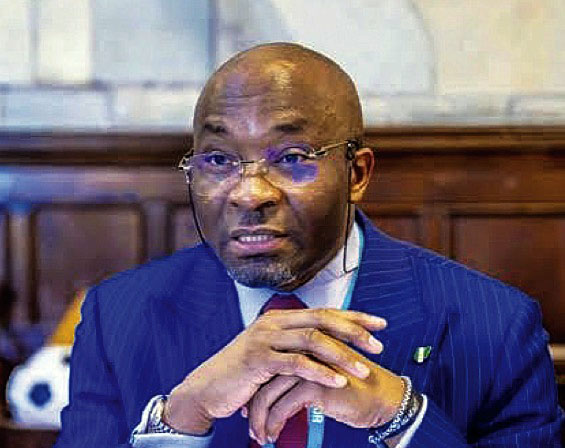
Governor Uba Sani’s participation in the London summit signals more than a routine diplomatic engagement; it reflects a deliberate effort to reposition Kaduna as a hub for investment, innovation, and industrial growth. By joining forces with regional counterparts from Zamfara and Kebbi states, the governor demonstrated a clear understanding that the challenges of energy access in Northern Nigeria require collaborative solutions.
This regional approach is particularly noteworthy. Historically, fragmented policy frameworks and isolated state-level interventions have hindered large-scale energy reforms in Nigeria. By fostering inter-state cooperation, Uba Sani is not only addressing Kaduna’s needs but also contributing to a broader regional energy ecosystem capable of attracting global investors.
The signing of a Memorandum of Understanding with ASI Engineering Limited stands out as a defining moment of the summit. Kaduna State’s N15 billion investment for a 5.54 percent equity stake, translating to an indirect 4.13 percent stake in Kaduna Electric, is a strategic financial commitment with long-term implications. It represents a shift from passive consumption to active participation in energy generation and distribution.
This move is particularly significant in the context of Nigeria’s ongoing power sector reforms. By taking an equity position, Kaduna is not just investing in infrastructure but also securing a voice in the governance and operational direction of its energy supply chain. It is a model that other states may well emulate,a blend of public interest and private sector efficiency.
However, what truly distinguishes Uba Sani’s leadership is the alignment of this energy push with a broader, people-centred governance framework. The recently signed 2026 budget, which allocates 25 percent to education and ensures N100 million per ward, reflects a holistic vision that links infrastructure development with human capital investment.
This dual focus is critical. Energy may power industries, but education powers people. By dedicating a quarter of the state’s budget to education, the administration is investing in the future workforce that will drive and sustain industrial growth. It is a recognition that development is not just about building systems but also about empowering citizens to utilise them effectively.
The N100 million allocation per ward further reinforces the governor’s commitment to inclusive development. In a country where governance often feels distant from the grassroots, this approach brings resources closer to the people. It decentralises development, ensuring that every community has the means to address its unique challenges and priorities.
When viewed together, these initiatives paint a picture of a leader who understands the interconnected nature of development. Energy investment fuels economic activity; education builds capacity; and grassroots funding ensures equity. It is a comprehensive strategy that seeks to leave no segment of society behind.
Moreover, the London engagement highlights Uba Sani’s growing profile as a pragmatic leader on the global stage. In an increasingly interconnected world, subnational diplomacy is becoming a critical tool for development. By engaging directly with international investors and stakeholders, the governor is bypassing traditional bottlenecks and bringing opportunities directly to Kaduna.
Other News
This approach is particularly relevant in the current global economic climate, where competition for investment is fierce. States that can articulate clear visions, demonstrate policy consistency, and offer viable returns are more likely to attract the attention of global capital. Kaduna, under Uba Sani, appears to be ticking these boxes.
The emphasis on sustainable and scalable energy solutions also aligns with global trends toward clean and renewable energy. While the details of the ASI Engineering partnership are still unfolding, the focus on reform and infrastructure expansion suggests a willingness to embrace modern energy technologies. This could position Kaduna as a leader in Nigeria’s transition to a more sustainable energy future.
Beyond the technical and financial aspects, there is also a strong social dimension to the governor’s initiatives. Reliable power has a direct impact on quality of life, enabling better healthcare, improving educational outcomes, and enhancing security. For small businesses and informal traders, consistent electricity can mean the difference between survival and growth.
By prioritising energy, Uba Sani is addressing one of the most pressing concerns of ordinary citizens. It is a reminder that governance, at its core, is about improving lives. The N1.39 billion in transport savings recorded under the state’s free CNG bus initiative earlier demonstrated this commitment. The energy investment now builds on that foundation, targeting another critical area of daily life.
Critics may argue that such ambitious initiatives carry risks, particularly in a challenging fiscal environment. However, the structured nature of the investment, coupled with its potential to unlock economic growth, suggests a calculated risk rather than a reckless gamble. If managed effectively, the returns could far outweigh the initial outlay.
Furthermore, the transparency of the process, as communicated through official statements, indicates a commitment to accountability. In a political landscape often marred by opacity, this openness is both refreshing and necessary.
Ultimately, the true test of these initiatives will lie in their implementation. Investments must translate into tangible improvements; policies must deliver measurable outcomes. Yet, the direction is clear, and the intent is unmistakable.
Governor Uba Sani’s leadership is gradually redefining what is possible at the state level in Nigeria. By combining strategic international engagement with robust domestic policies, he is crafting a development model that is both ambitious and grounded.
The N15 billion energy deal is more than a financial transaction, it is a statement of intent. It signals a readiness to confront longstanding challenges with innovative solutions and to position Kaduna as a beacon of progress in Northern Nigeria.
As the state moves forward, the synergy between energy development, educational investment, and grassroots empowerment will be crucial. If sustained, this integrated approach could serve as a blueprint for other states seeking to navigate the complexities of modern governance.
In the final analysis, Uba Sani’s recent actions reflect a leader who is not content with incremental change. Instead, he is pursuing transformative impact, one that promises to power industries, uplift communities, and secure a brighter future for Kaduna State.
• Musa writes from Kaduna State