Follow Us on Google
From Isaac Anumihe, Abuja
Revenue Mobilisation Allocation and Fiscal Commission (RMAFC) has lamented the increasing financial burden of healthcare on ordinary Nigerians, especially the elderly people.
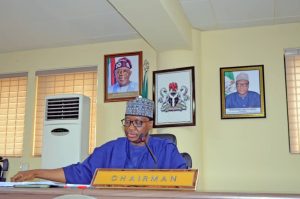
Chairman of the commission, Dr. Mohammed Bello Shehu, who noted the concern during a symposium organised by the Centre for African American Research Studies (CAARS) in partnership with DCL Africa and the Federal Capital Territory Administration (FCTA) in Abuja, yesterday, stated that the cost of accessing quality healthcare has gone far beyond the income of the average citizen, which according to him, has negatively affected life expectancy.
“This situation has plagued the state of health of most Nigerians and getting reliable information required to prevent sickness and ailments would mean a lot of savings to us all” Shehu, who was represented by the Federal Commissioner representing Kwara State, Ismail Mohammed Agaka said.
While acknowledging federal interventions such as the National Health Insurance Scheme, he emphasised the need for sustainable, grassroots-oriented programmes like the symposium.
He added that the commission’s decision to host the event demonstrates its commitment to a healthy and productive workforce.
In her keynote address, Director General of the National Senior Citizens Center (NSCC), Dr. Omobolanle Akinyemi-Obe, who was represented by Dr. Ahmed Tijjani Ajayi, urged policymakers to act urgently to address the growing institutional gaps affecting older citizens.
Other News
“Too many older persons face poverty, isolation, neglect, and a profound loss of dignity, especially in rural areas. Dignified aging must not be precarious; it is not a privilege—it is a right,” he posited
In a statement, he identified seven key pillars needed to build a responsive ageing system in Nigeria: legal and policy frameworks, sustainable financing, community-based institutional infrastructure, geriatric workforce development, technology, and social inclusion.
According to him, the NSCC is already implementing several initiatives including the geriatric social care community extension support services, medical housing programmes, and assistive device distribution, aimed at improving the quality of life for older persons.
He also revealed that the agency was working with the National Assembly and the institute of justice to harmonise elder protection laws and develop a national ageing policy that is both inclusive and enforceable.
Ajayi also announced the launch of a digital literacy programme where youth volunteers train elderly citizens in basic technology use and sanitation/environmental projects where older persons serve as ambassadors for healthy communities.
“We must change the narrative. Older people are not burdens—they are national assets” he said.