Follow Us on Google

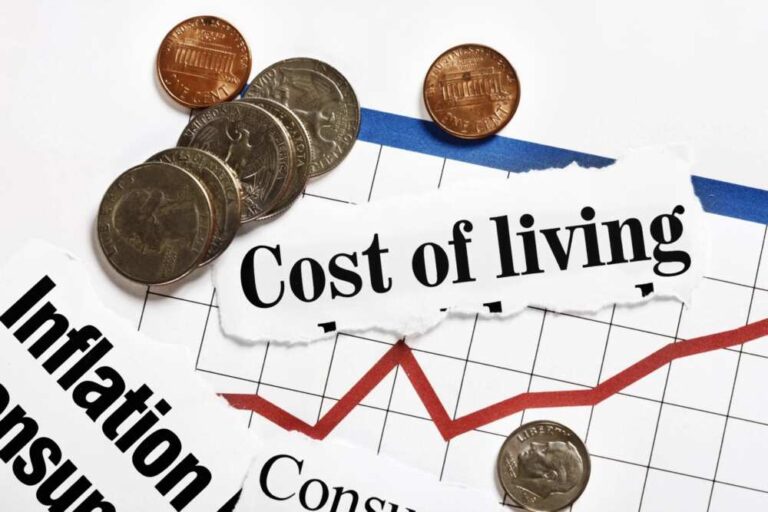
The Manufacturers Association of Nigeria (MAN) has bemoaned the shutting down of big and small businesses as a result of the rising cost of doing business. According to a recent survey by MAN, over 400 big businesses had shut down operations between 2018 and last year, and nearly two-thirds of small businesses had reportedly indicated that they could be out of business within the next year on account of inclement business climate.
This is probably why the Director-General of MAN, Mr. Ajayi Kadiri, has urged the government to give priority attention to the manufacturing sector to save the economy from imminent collapse. Therefore, MAN and other stakeholders have called for more comprehensive interventions by the government to bolster the economy and prevent businesses from dying. These calls came against the backdrop of the latest report that some top listed companies in the Nigerian Stock Exchange (NSE) incurred N207billion energy cost in the first quarter (Q1) of 2022. About N155.86billion loss was incurred in the same period last year. For the many struggling businesses to survive, they need urgent financial assistance.
The soaring cost of doing business has manifested in different ways, including the high cost of diesel and other petroleum products. The price of diesel has risen to almost 400 per cent since the beginning of 2022 from N280/litre to N800. High cost of transportation, multiple taxes, unstable power supply and others are forcing firms to either restructure their production hours, or shut down operations. The matter is further complicated by acute shortage foreign exchange, insecurity, escalating cost of raw materials, inconsistent government policies, gridlock and inadequate infrastructure at the ports, among other challenges. In addition to these, Nigeria’s low ranking in Ease of Doing Business (EoDB) has also affected investors’ confidence in the economy.
It is incontestable that Nigeria is facing one of the fiercest economic crises in recent times. Government must do something urgently to rejig the economy. Also, the Lagos Chamber of Commerce and Industry (LCCI) has also raised concerns on the economy. It argues that with inhibiting burdens like inflation, weak revenue generation and unsustainable cost profile, the economy will not improve.
Since the advent of COVID-19 pandemic, Nigeria which depends largely on crude oil proceeds, has been hampered by weak foreign exchange inflows, resulting in liquidity challenge in the country’s FX market. The Russia/Ukraine war has compounded Nigeria’s cost of doing business challenge. With about eight months to leave office, it is still not too late for the managers of the economy to initiate some strategic policies that will revive the economy. Let government place more emphasis on production as a way of stimulating the economic recovery. Doing this will guarantee investors’ inflows and facilitate government’s ability to reduce social discontent. Tackling the present high cost of diesel and other petroleum products, shortage of foreign exchange, insecurity and multiple taxes will enhance business operations in the country, especially the manufacturing sector. The manufacturing sector holds the key to repositioning the economy away from consumption to production.
But, this requires the government to put in place some enablers that will spur the economy to growth and development. Unfortunately, the economy has achieved below four per cent annual growth in the last seven years. The economy will likely remain stuck at this abysmal level if the government does not deliberately create a conducive business environment that will attract and sustain local and foreign investors.
A recent report by the National Bureau of Statistics (NBS) showed that in 2020, Nigeria attracted the lowest foreign investment in 10 years. This was traced to insecurity, unstable power supply, infrastructure deficit, lack of contract enforcement and robust corporate governance, among others. A conducive business climate will ensure economic growth. Improving access to credit for Micro, Small and Medium Enterprises(MSMEs) is another way to revive and stabilise the economy.
Owners of businesses have complained of poor access to finance, made worse by the unwillingness of banks to grant them loans at reasonable interest rates. The scarcity of foreign exchange has increased the cost of raw materials, making cost of production and profit margin too hard to sustain.
The government should deliberately assist the MSMEs to be in business, in view of their pivotal role to economic growth and development.