Follow Us on Google
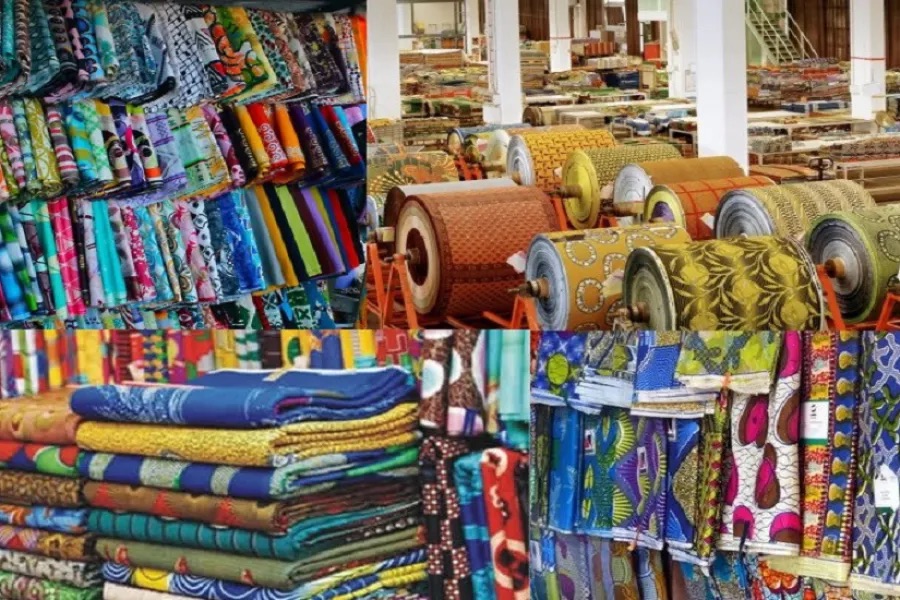
The once vibrant Nigerian textile sector may likely collapse completely, if urgent steps are not taken to revive it. Before its decline, the sector contributed about 25 per cent of Nigeria’s gross domestic product (GDP) during its peak in the 1970s and 1980s. It is no longer so. Recent statistics showed that Nigeria’s dependence on imported textile materials has almost tripled, with importation surging by 181 per cent in two years, from N377.47 billion in 2023, to N1.08 trillion in 2025. This is in spite of several efforts to revive the industry.
Latest data from the National Bureau of Statistics (NBS) indicates further rise in import bills this year. Already, first quarter figures showed faster upswing to N267.7 billion. This is about 153.2 per cent higher than the N70.48 billion recorded in 2025. NBS figures also show that the textile imports have recorded consistent growth over the period, which underscores Nigeria’s reliance on foreign fabrics and the continued decline of domestic textile manufacturing.
The data also showed that the textile imports rose by 92.4 per cent to N726.18 billion in 2024. The trend has remained firmly upward in 2026 and the forecast is looking at about N1.4 trillion by the end of 2026. This is not good news for the economy. The sharp increase in import of textile materials highlights the widening gap between domestic production and demand, as local manufacturers contend with high production costs, inadequate power supply, foreign exchange pressures and other structural constraints.
In contrast, Nigeria’s textile exports have continued to decline, weakening the country’s balance of trade in the cotton and textile sector. For instance, exports declined by 11.8 per cent to N16.55 billion in 2025 from N18.76 billion in 2023. It further declined by 55 per cent from N36.98 billion recorded in 2024. This reflects Nigeria’s diminishing competitiveness in the textile manufacturing sector.
The Senate had, in June this year, pushed for a ban on the importation of textile. The move was in response to the worsening fortune of the sector and the need to revive it, especially along the Kaduna-Kano industry corridor. While the move is a step in the right direction, we align with the position of the Manufacturers’ Association of Nigeria (MAN) against a blanket ban on foreign textile fabrics.
The first step should be to address the structural constraints facing local manufacturers. Last year, the federal government said that the neglect of the local textile industry cost the economy more than $30billion through the importation of textile raw materials. This reflects the sorry state of the industry that was once a major revenue spinner for the country. As result of the neglect of the textile/cotton industry, over 200 textile industries across the country had been shut down, and more than half a million jobs lost. The sector used to provide about 700,000 direct and indirect jobs to Nigerians. However, no fewer than 145 cotton, textile garment (CTG) mills across the country collapsed between 1980 and 2016 due to harsh economic condition.
Other News
Despite huge funds injected to revamp the textile industry, the sector has remained comatose. For example, the Goodluck Jonathan administration in 2010 unveiled N100billion plan to resuscitate the moribund industry under the supervision of the Bank of Industry (BOI). Its target was to create 8,000 jobs. But, little came out of the intervention programme.
The federal government must ensure that the country produces enough fabrics for local needs before banning the importation of textile materials. It should give adequate incentives to local manufacturers. There is no doubt that a vibrant textile and cotton industry can create over 15 million jobs, which will reduce the nation’s rising unemployment figures. Before most of the textile factories went under, the sector was ranked as the second biggest employer of labour, after agriculture. That was before the discovery of oil.
In order to revamp the sector, government must address the multiple constraints facing it. These include high cost of raw materials, influx of foreign and cheap textile imports from Asian countries, smuggling and dumping of substandard textile materials into the country. The matter has been worsened by epileptic power supply, foreign exchange rate volatility and others. According to data from the MAN, during the golden era of the industry, the annual growth of the sector was 67 per cent.
That was the golden era of local textile and garment industries, such as Akwete, Asaba Textile Mill, Aswani, Enpee, Sunflag and others. While adequate financial intervention is necessary to revive the moribund industry, there is need for conducive business environment. Government should provide special incentives like tax waivers, good infrastructure, and patronage of made-in-Nigeria fabrics.
These measures should also be supported by restrictions on commercial importation of ready-made garments and fabrics that can be produced locally. Countries that have made brand names in the competitive global market are those that promote and prioritise home-made goods. The private sector should also be involved in the exercise that will help to diversify the economy.